Waste and circular economyExplainer
Waste shipments: Regulation (EU) 2024/1157 and the new rules from 21 May 2026
Regulation (EU) 2024/1157 will replace Regulation 1013/2006: digital procedures, new export rules for non-OECD countries and a ban on exporting plastic waste. Key dates: 2025, 2026 and 2027.
Other language versions: polski.

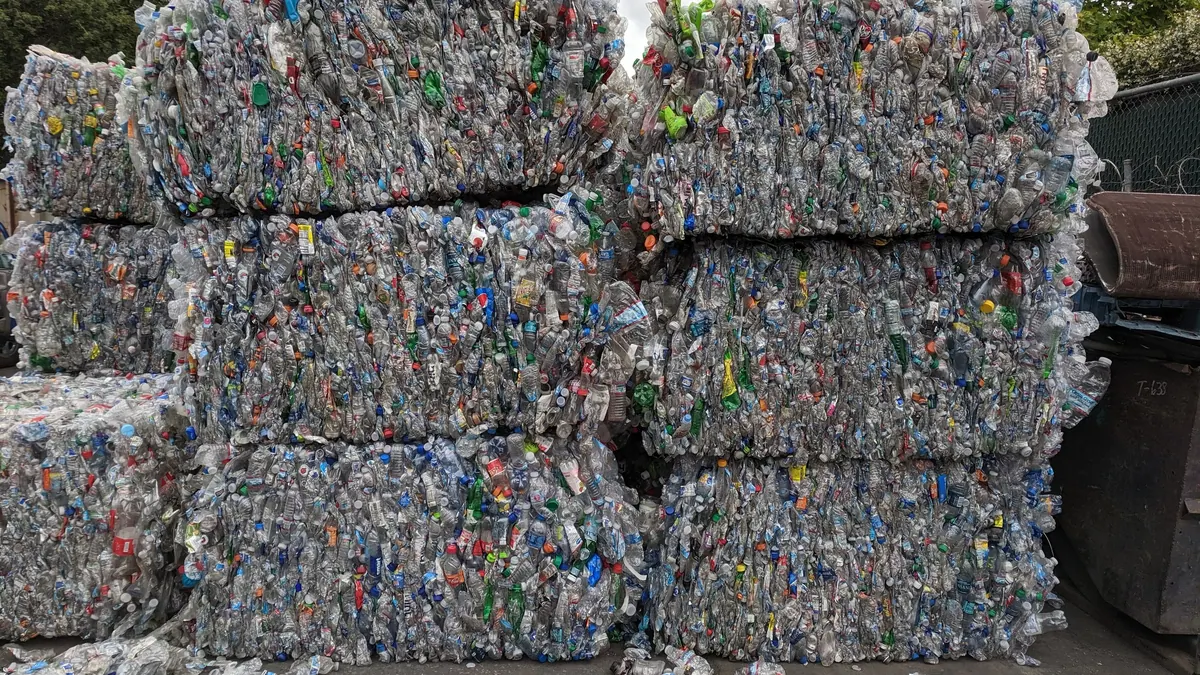
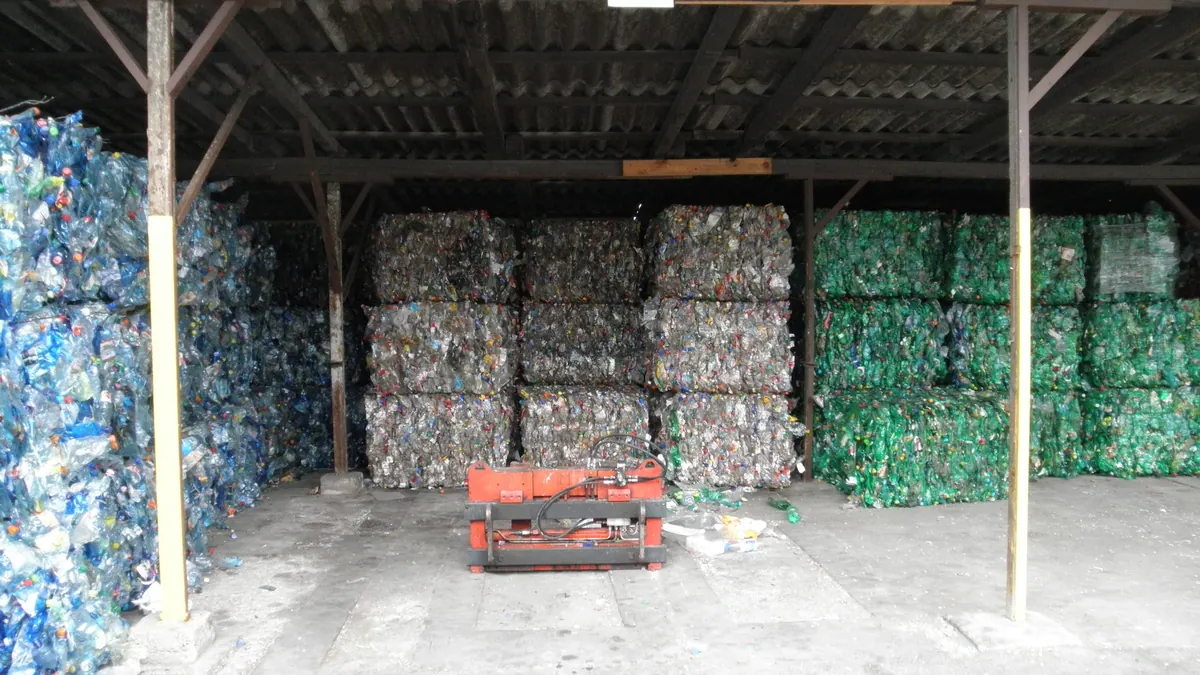
Regulation (EU) 2024/1157 of the European Parliament and of the Council of 11 April 2024 on shipments of waste will replace Regulation 1013/2006: most of its provisions are to apply from 21 May 2026, procedures will move to a central digital system (DIWASS), and exports of waste outside the EU will be tightened — including a ban on exporting plastic waste to non-OECD countries from 21 November 2026. Until then, as a rule, the existing rules apply (with the exceptions shown in the table below, e.g. for waste electrical and electronic equipment from 1 January 2025).
Key dates
| Date | What happens |
|---|---|
| 20 May 2024 | the Regulation enters into force |
| 1 January 2025 | new rules on classification and shipment of waste electrical and electronic equipment |
| 21 February 2025 | deadline by which non-OECD countries were to declare that they wish to continue receiving waste from the EU |
| 21 May 2026 | start of application of most provisions and launch of DIWASS |
| 21 November 2026 | ban on exporting plastic waste to non-OECD countries |
| 21 May 2027 | new export rules, including restrictions on green-list waste to non-OECD countries |
Until the dates indicated, Regulation 1013/2006 applies to the relevant areas.
How shipments within the EU work
- Notification and consent (the prior written consent procedure) apply to waste destined for disposal and to hazardous waste and most mixed waste destined for recovery.
- “Green list” waste (as a rule non-hazardous and destined for recovery) requires only that general information be provided before shipment.
- From 21 May 2026 these procedures are to be conducted electronically in a single EU system (DIWASS): notifications, consents, information and confirmations of completion of recovery.
Exports outside the EU
- The general ban on exporting waste for disposal and the ban on exporting hazardous waste for recovery to non-OECD countries continue to apply.
- For OECD countries the Commission monitors the impact of exports and may start a dialogue with the receiving country; exports can be suspended when the waste is not managed in an environmentally safe way. Particular attention is paid to plastic waste.
- For non-OECD countries, from 21 May 2027 the export of green-list waste will as a rule be prohibited, with exceptions for countries meeting environmental conditions. The exporter must demonstrate that the waste is managed at a facility in an environmentally sound way and ensure independent audits; without a positive audit it must cease exporting to that facility.
What this means for the biogas and biowaste industry
Cross-border shipment concerns biogas plants and composting plants most often when:
- they receive foreign waste as a substrate (e.g. food waste from Germany or the Czech Republic);
- they send abroad digestate or other mass that is waste;
- they work with intermediaries transporting waste across several countries.
In such situations you need to establish: whether the material is waste within the meaning of Directive 2008/98/EC (and not a by-product, a fertilising product or an animal by-product), what code it has and which list it belongs to, and what it is intended for (recovery or disposal). Animal by-products are subject to the separate requirements of Regulation (EC) No 1069/2009.
Check questions before shipping
- Is the material waste within the meaning of Directive 2008/98/EC? If it is a by-product, a fertilising product or an animal by-product, the regime is different.
- Which category does the waste belong to: the green list (lower risk, recovery), other waste for recovery, or waste for disposal?
- Does the notification require the consent of the authorities of the country of dispatch, transit and destination?
- Has the required financial guarantee or equivalent insurance been provided to cover the costs of transport, recovery or disposal in case of irregularities?
- Do the contract with the recipient and the transport documents agree with the data in the system?
The Regulation does not change the basic logic of environmental protection — waste is to be managed safely — but it tightens oversight: it requires digital, consistent procedures, makes it easier to control transport routes and strengthens the ability to halt exports to places where waste is managed contrary to environmental protection rules.
The national dimension
In Poland oversight of waste shipments is exercised by the Chief Inspector for Environmental Protection (Główny Inspektor Ochrony Środowiska), who conducts the notification procedures, and the national BDO system supplements domestic documentation (including transfer cards for transport within the country). The exact administrative obligations and the way of transition to the electronic DIWASS procedures are communicated by the Commission and the national authority — it is worth following their announcements.
How to prepare
- Check whether your cross-border flows concern waste, and if so — which codes and lists.
- Identify who in the chain is the “notifier” (consignor) and the “consignee”.
- Plan access to the electronic system and staff authorisations.
- If you export outside the EU — verify the country of destination (OECD / non-OECD), the quality of the receiving facility and the possibilities for audit.
- For plastic waste outside the OECD: prepare alternatives by November 2026.
Common mistakes
- treating the material as a product when the authority regards it as waste;
- no required information before shipment for green-list waste;
- overlooking that the transitional period concerns two regulations at once;
- assuming that export to an OECD country is always unconditionally permitted.
This text is for information only and does not constitute legal advice; before an investment or formal decision, check the current wording of the regulations and consult a lawyer or the competent authority.
Sources
Questions and answers
Does the regulation cover animal by-products?
The movement of animal by-products is regulated separately by the provisions of Regulation (EC) No 1069/2009 and its implementing rules. The Waste Shipment Regulation covers waste within the meaning of Directive 2008/98/EC.
What changes for a company from 21 May 2026?
According to information from the European Commission, most provisions of Regulation 2024/1157 apply from that date, and EU shipment procedures are to be carried out electronically in the DIWASS system. Until then, Regulation 1013/2006 applied.
Related articles