

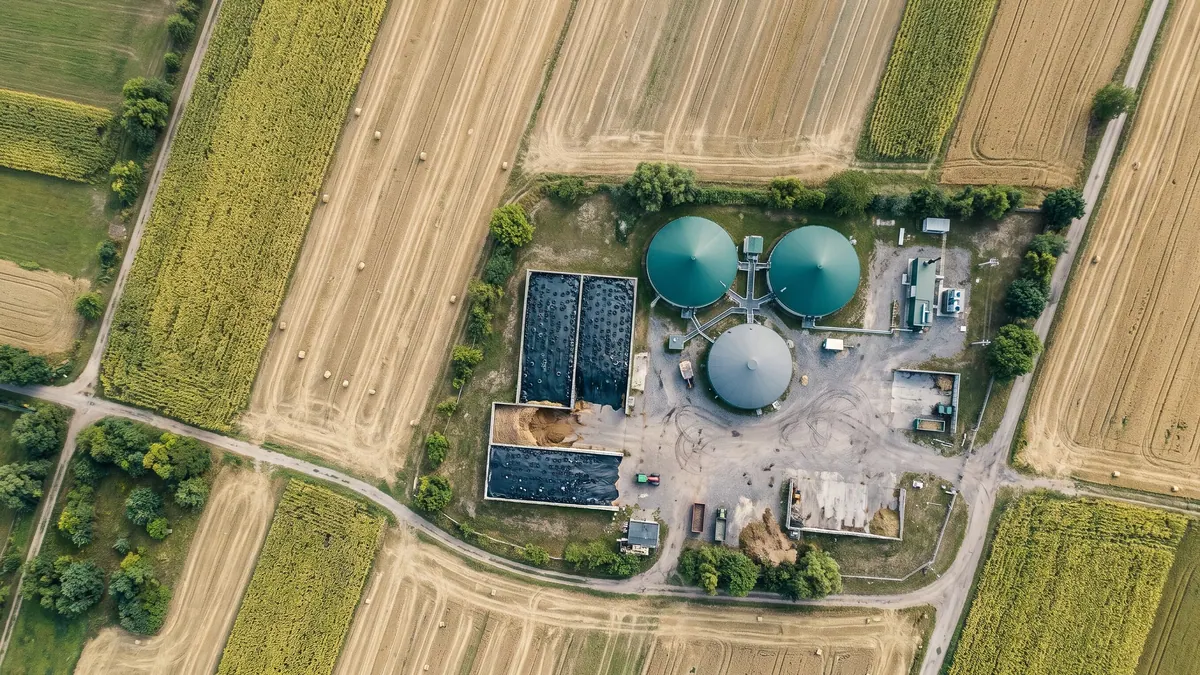
Will a heating cable protect the system from frost?
A heating cable protects the system from frost only if it is matched to the conditions, insulated, powered and monitored. When it fails and how to check.
813 articles on biogas, biomethane, bioLNG, biohydrogen, waste-to-energy, waste and regulation — since December 2019. Filter by category, type, year and tag.
RSSA heating cable protects the system from frost only if it is matched to the conditions, insulated, powered and monitored. When it fails and how to check.
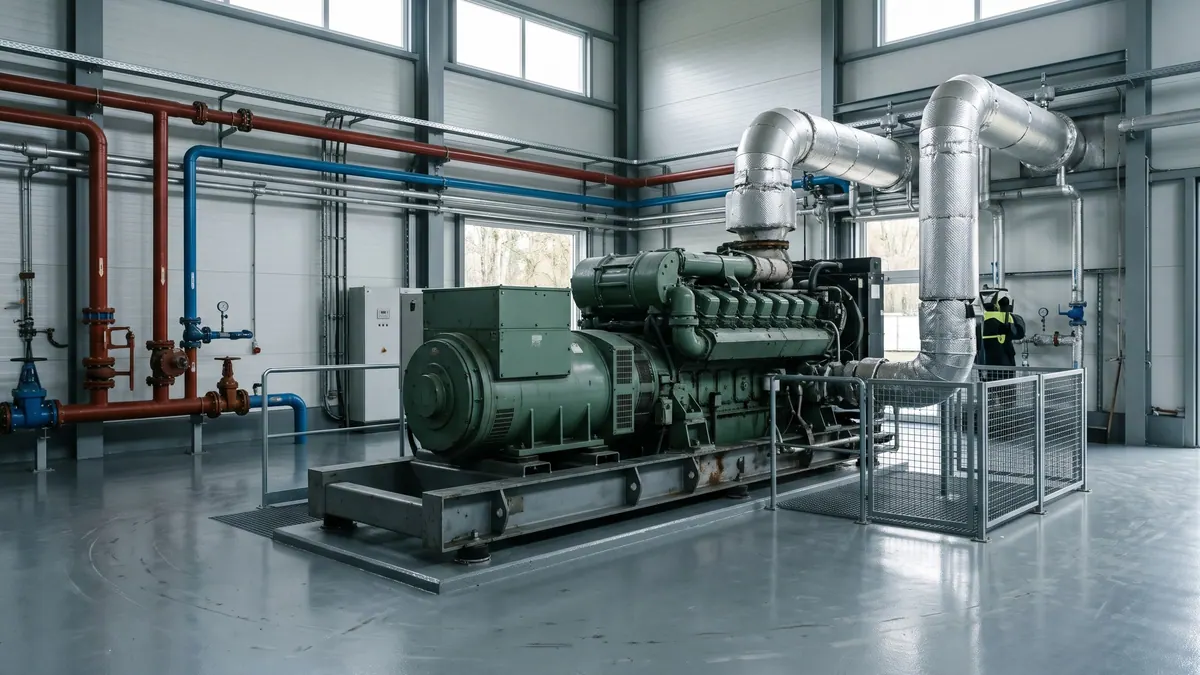
The environmental regime of a CHP unit is determined by the thermal input in the fuel, a shared stack, the type of installation and the link to the biogas plant. How to establish it step by step.
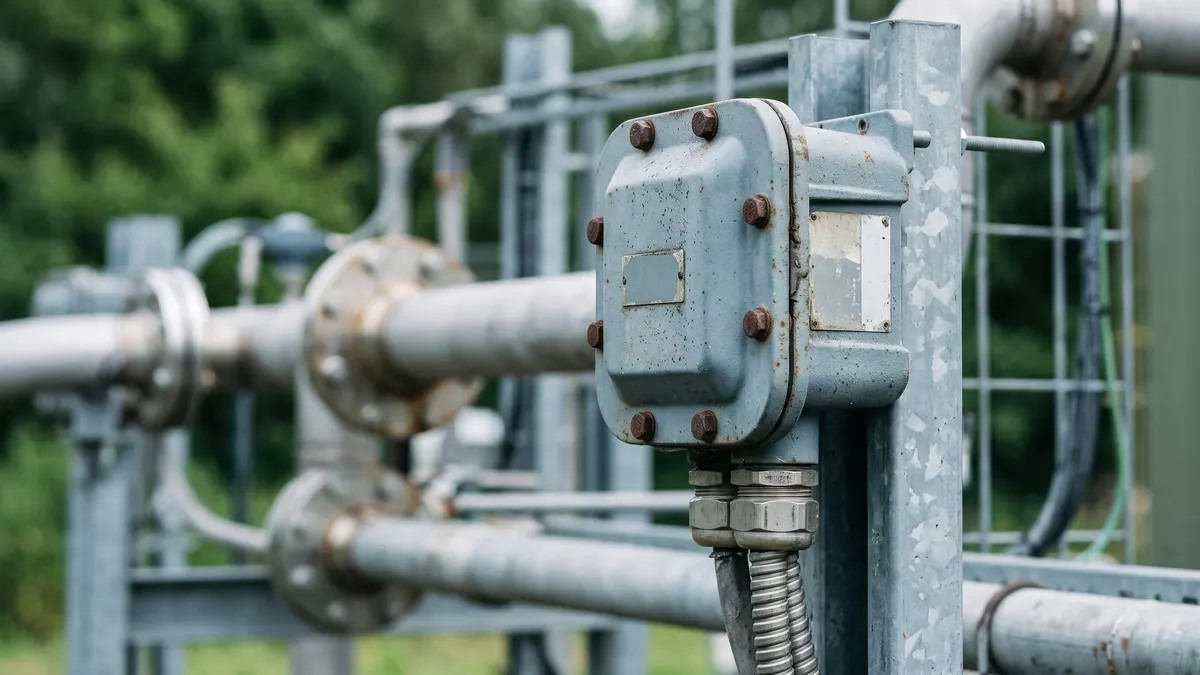
Why too low a liquid level in the digester damages agitators and increases risk to people, and too high a level threatens the membrane and causes overflow. Principles, measurements and requirements for the protection system.
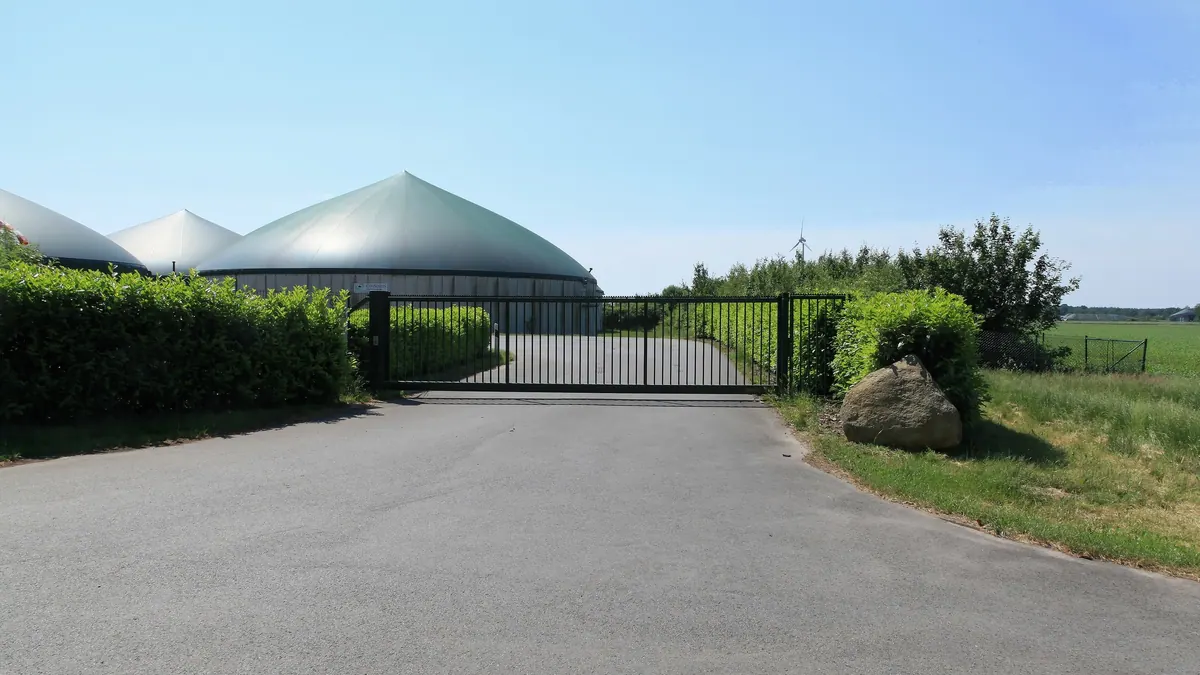
How to check the tightness of tanks, membranes and biogas pipework using non-invasive methods: optical gas imaging, detectors, gas balance and observation, with no tests on flammable gas.
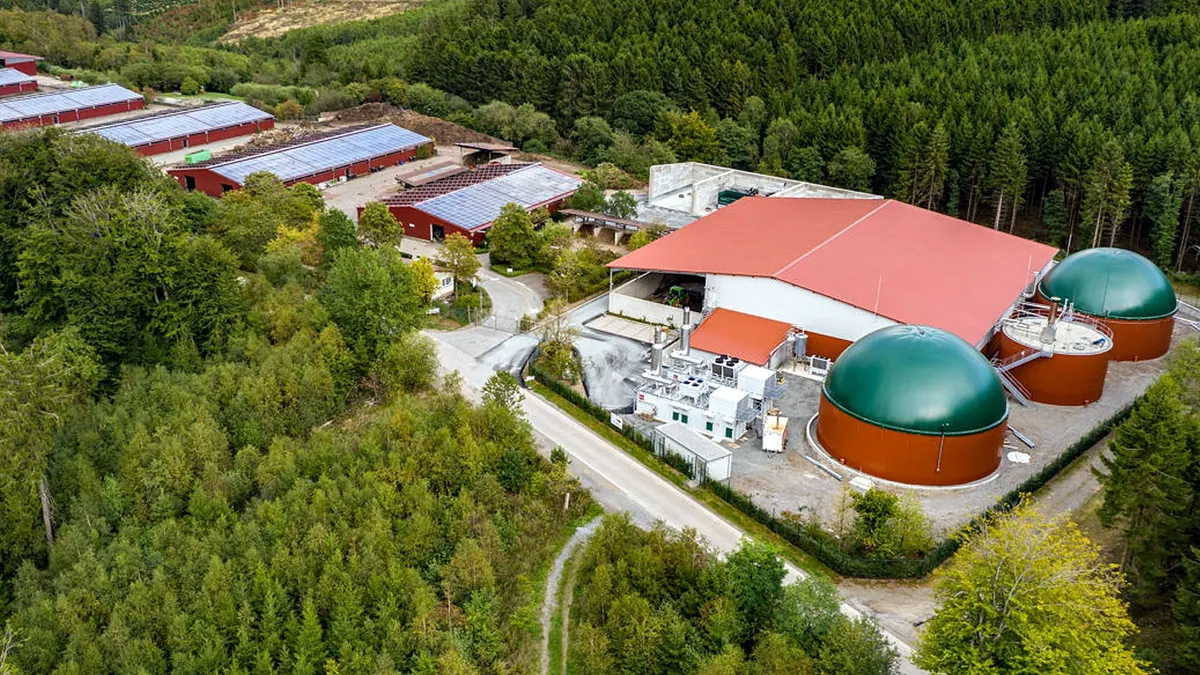
A frozen liquid seal no longer protects the tank. Criteria for choosing heating: power, insulation, medium, explosion-hazard zone and monitoring.
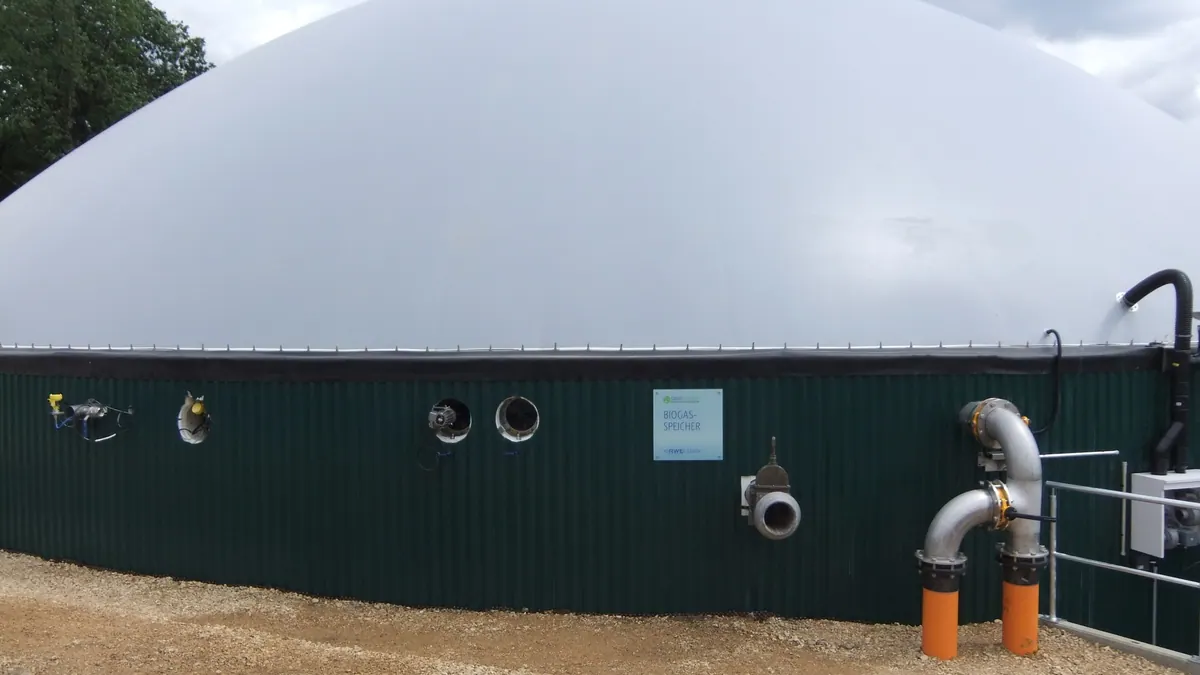
In winter the heat the process needs rises several-fold compared with summer. How to calculate substrate heating, losses through the walls and the heat reserve from cogeneration.
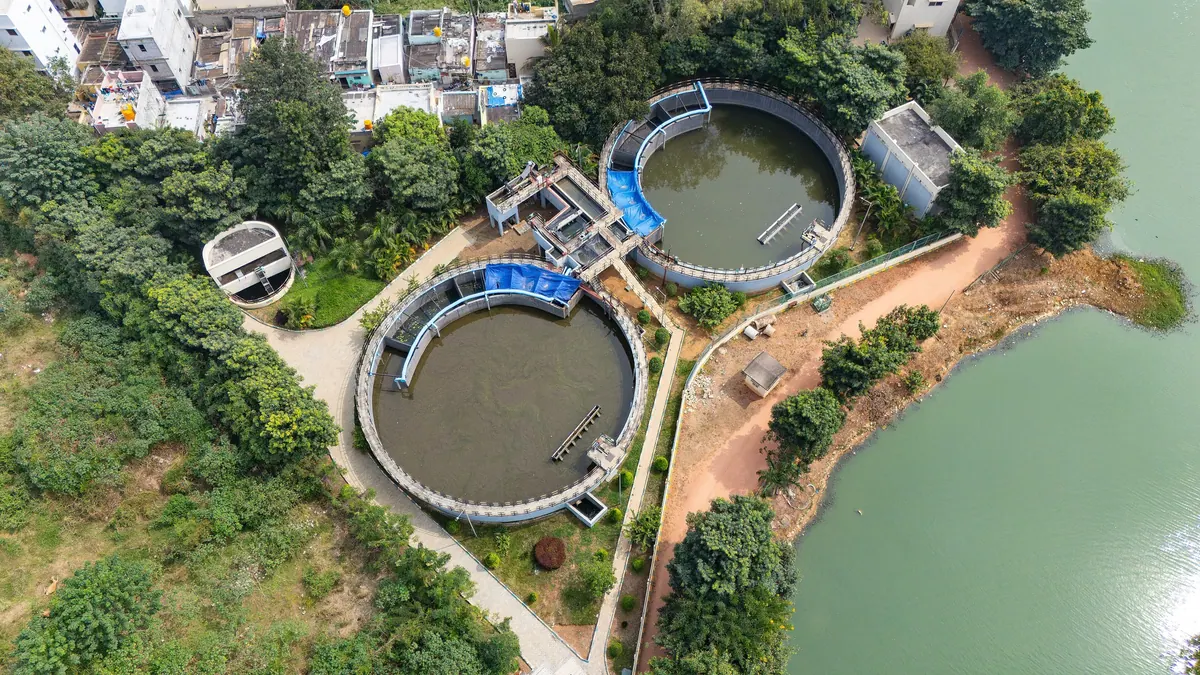
Construction of the Słupsk Bioenergy Island (Słupska Wyspa Bioenergetyczna) is under way at the wastewater treatment plant in Słupsk: sludge hydrolysis, a 2,700 m³ biogas tank, 1 MW cogeneration, 1 MW/2.4 MWh energy storage and a heat pump. Cost PLN 62.1 million, of which about PLN 37.25 million from the National Recovery and Resilience Plan (KPO).
Methane escapes through roof valves, leaks, digestate stores, upgrading and unburned gas in the CHP. How to detect, measure and reduce it, and what the EU Methane Regulation means.

On 28 October 2026 the German federal cabinet approved regulations transposing the RED III sustainability criteria: the emission reduction threshold for power plants rises from 70% to 80%, certificates can be withdrawn, and the Union Database is to become mandatory.

ETS2 will cover CO₂ emissions from fuel combustion in buildings and road transport; the charges will be borne by fuel suppliers. What is known about the timing, the mechanisms and the effects on gas, biomethane and bioCNG.

From fixed tariffs to premium auctions and CfDs: we compare how a dozen or so countries pay for electricity from biogas and biomass, how much that amounts to in EUR/MWh, and what follows for Poland.
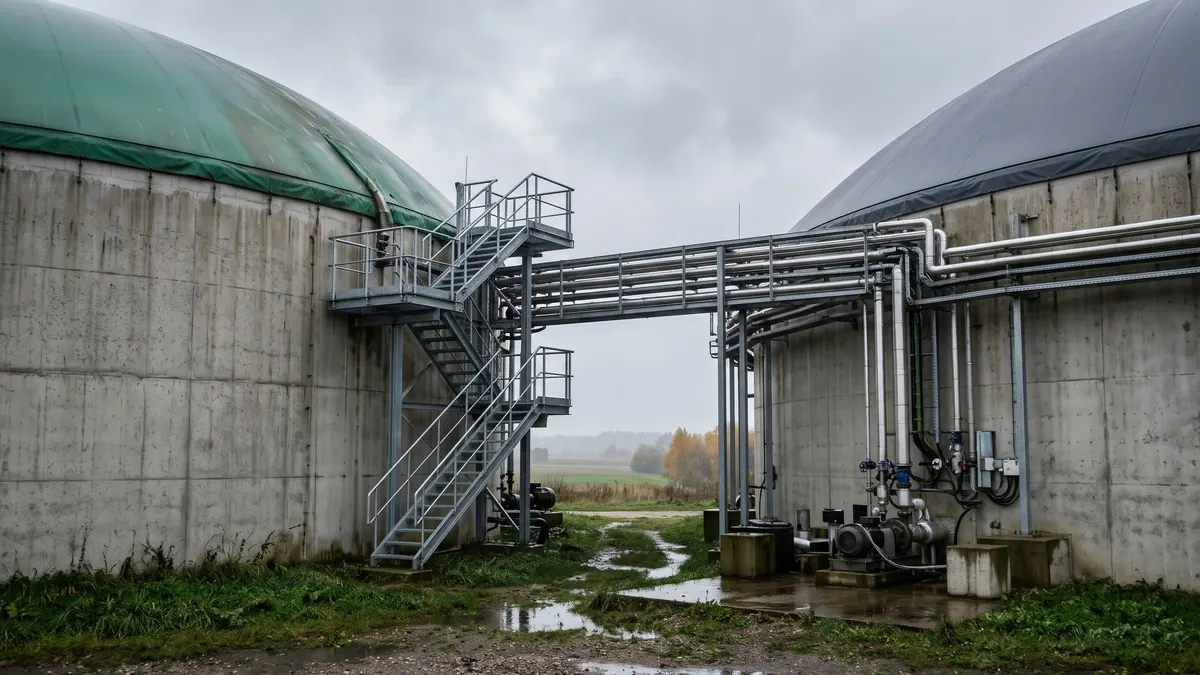
Enea and KGS signed a cooperation plan: six biomethane plants at seven sugar factories, about 60 MW in total and about 1.2 TWh of biomethane per year (about 18.2 million m³ per installation). Feedstocks: sugar beet pulp, potato pulp and manure.
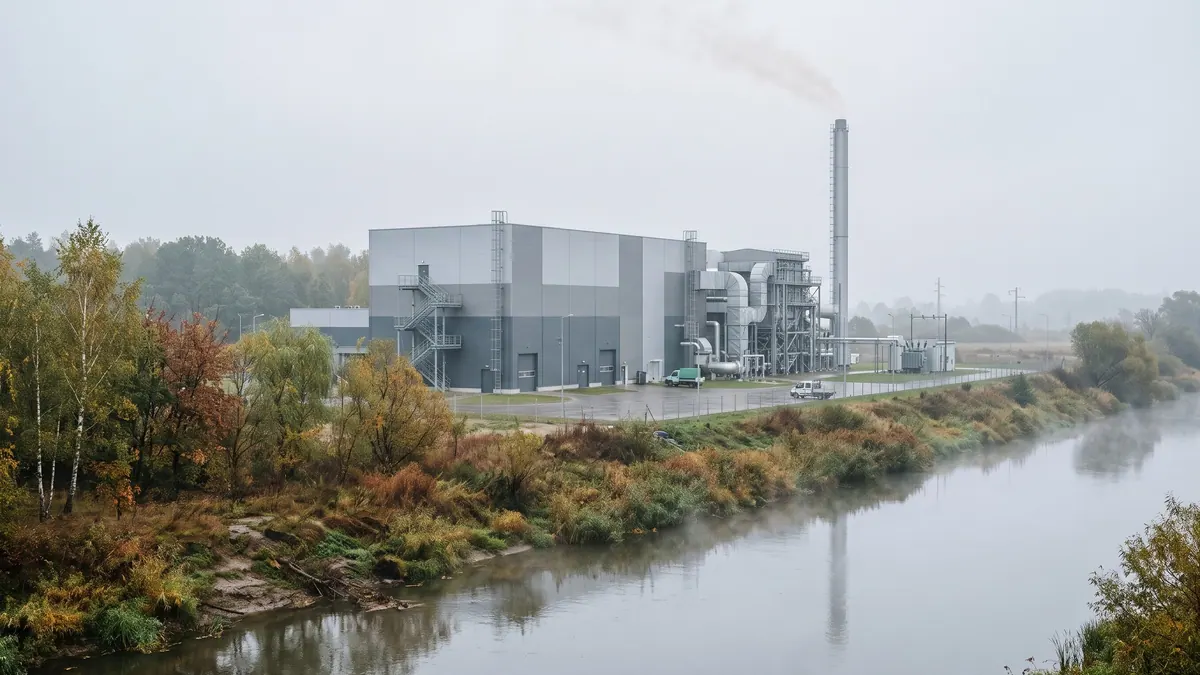
"Dirty renewables" is a journalistic label, not a legal concept. We explain what it is used for: biomass burning, co-firing with coal and energy from waste, and how it differs from fermentation.
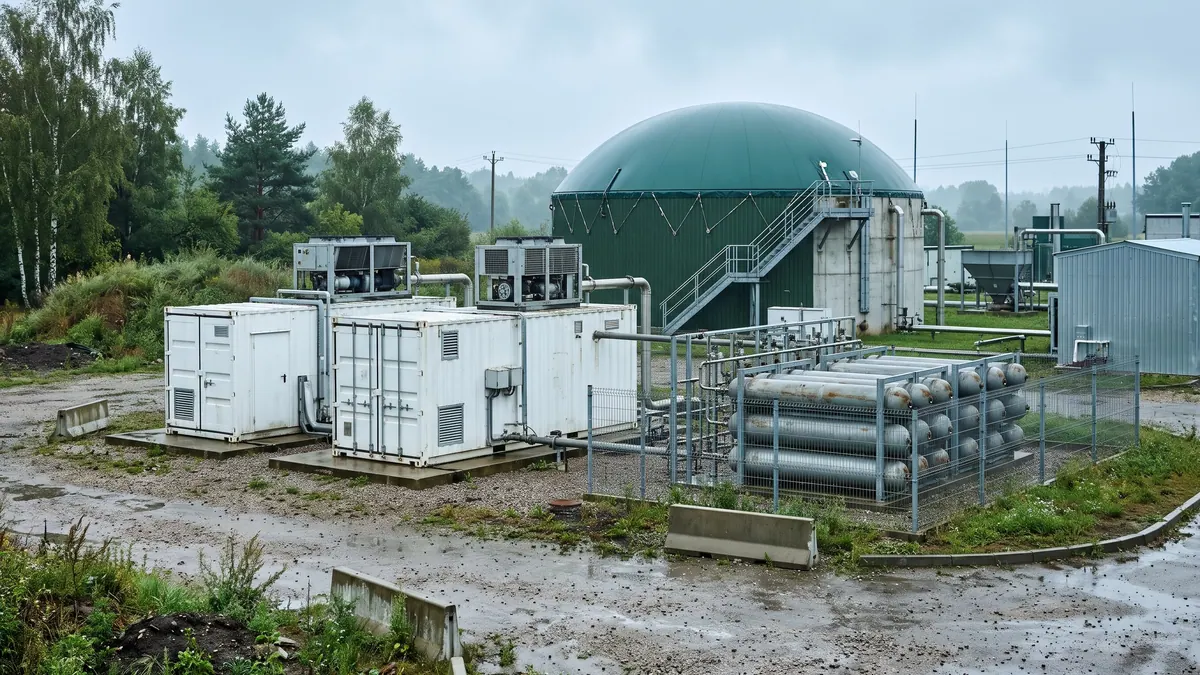
The carbon footprint of hydrogen ranges from several dozen kg CO₂e/kg for electrolysis on a coal-based grid to negative values for biomethane from slurry. We work through examples and discuss the 70% reduction threshold in EU law.
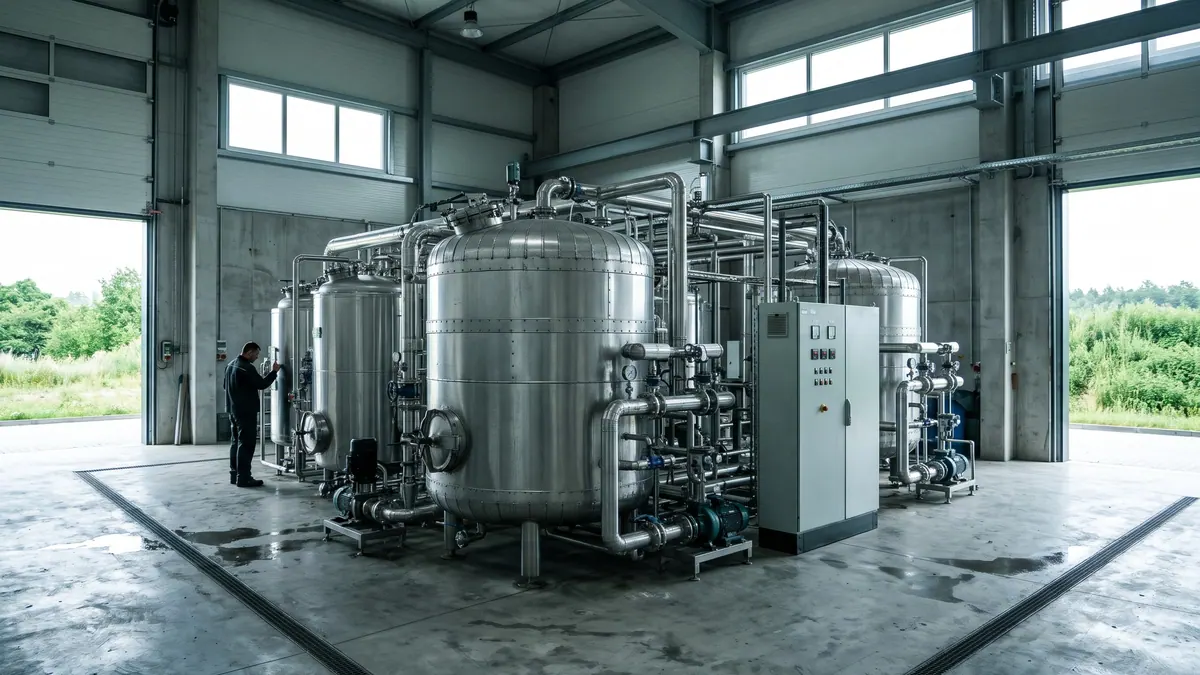
The MOL Group started up its first biomethane plant in Szarvas, Hungary: an expansion of a biogas plant with an upgrading module will replace more than 7 million m³ of natural gas per year. The feedstock is meat industry waste and animal manures.
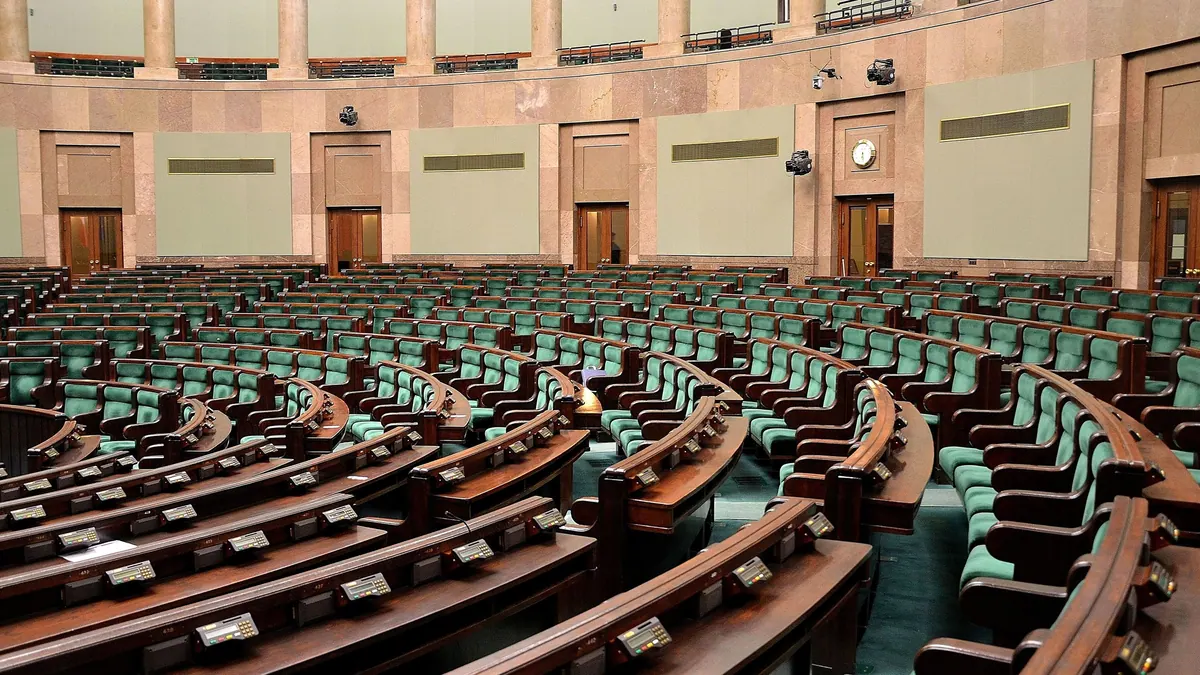
On 15 October 2026 President Karol Nawrocki signed the amendment to the Act on Renewable Energy Sources with biomethane auctions, rules for direct pipelines and changes for prosumers. Wind turbines were excluded from the draft after the 2025 veto.
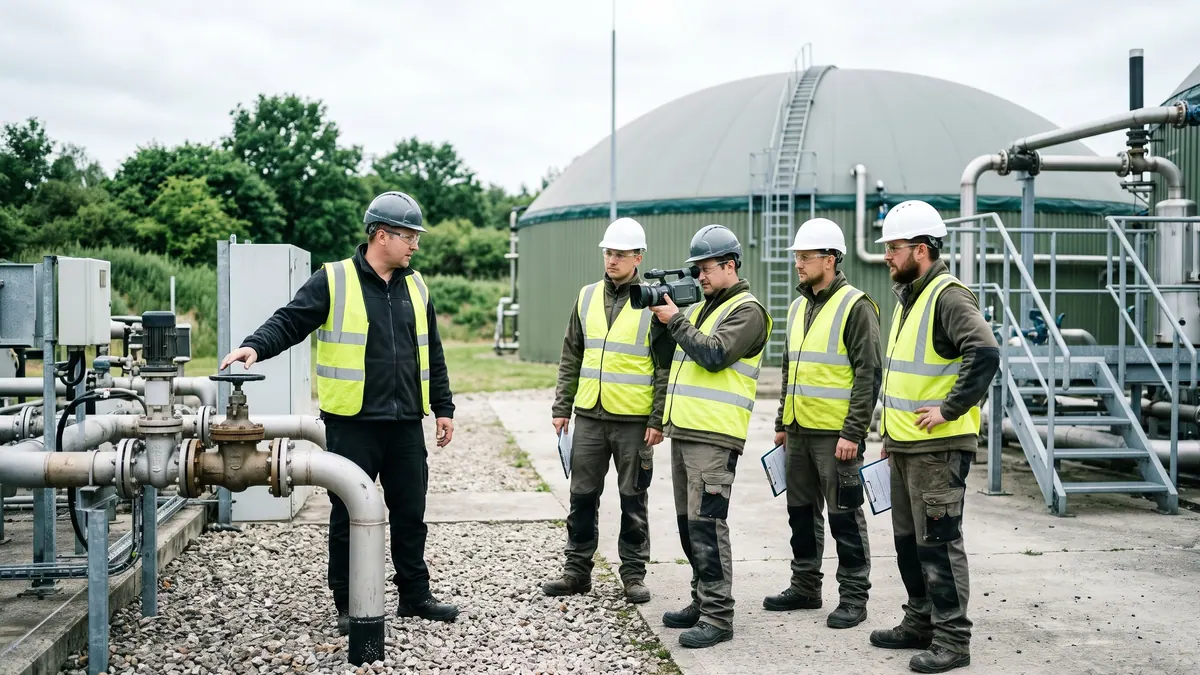
How to implement OGI: when to buy a camera, when to rent one and when to commission an inspection — and what follows from Regulation (EU) 2024/1787, what the good practices for biogas plants are and how to choose a supplier.
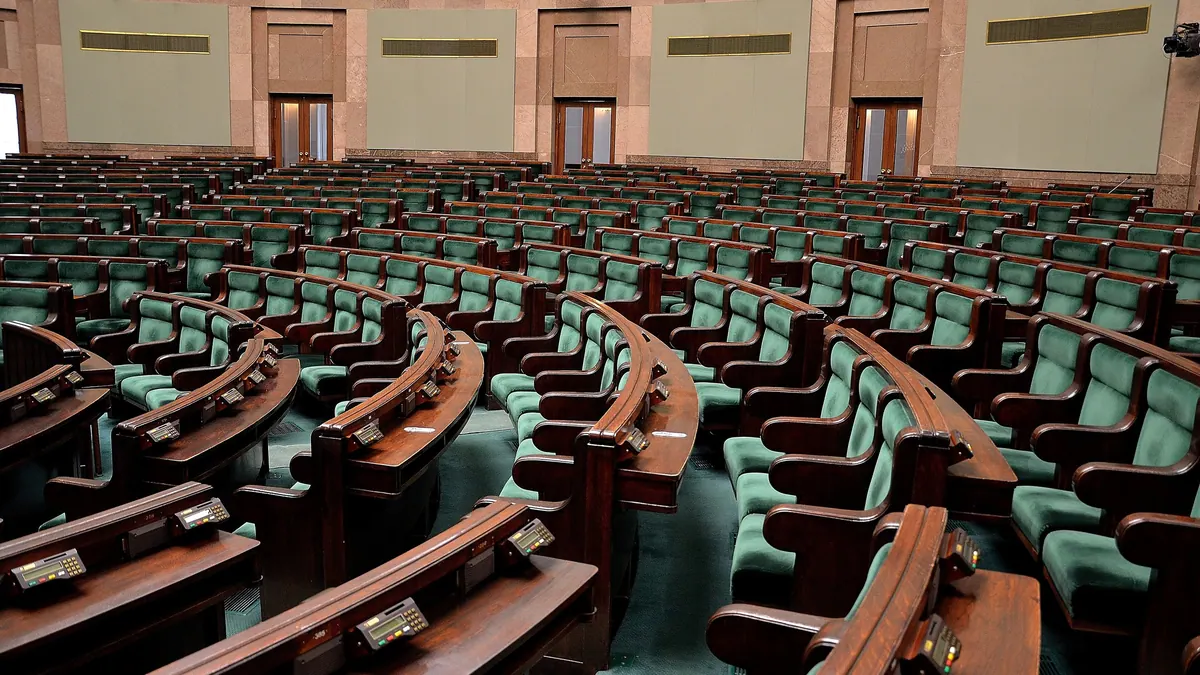
On 24 September 2026 the President of the Energy Regulatory Office (URE) for the first time issued a certificate entitling the holder to sell biomethane injected into the grid with the FIP premium, and on 25 September the first guarantee of origin for biomethane produced in the first half of 2026.

How the Japanese GX-ETS works: the amendment of the GX act of 28 May 2025, the start of the mandatory system on 1 April 2026, a threshold of 100,000 t CO₂, free allocation, a price band and offsets of up to 10%.
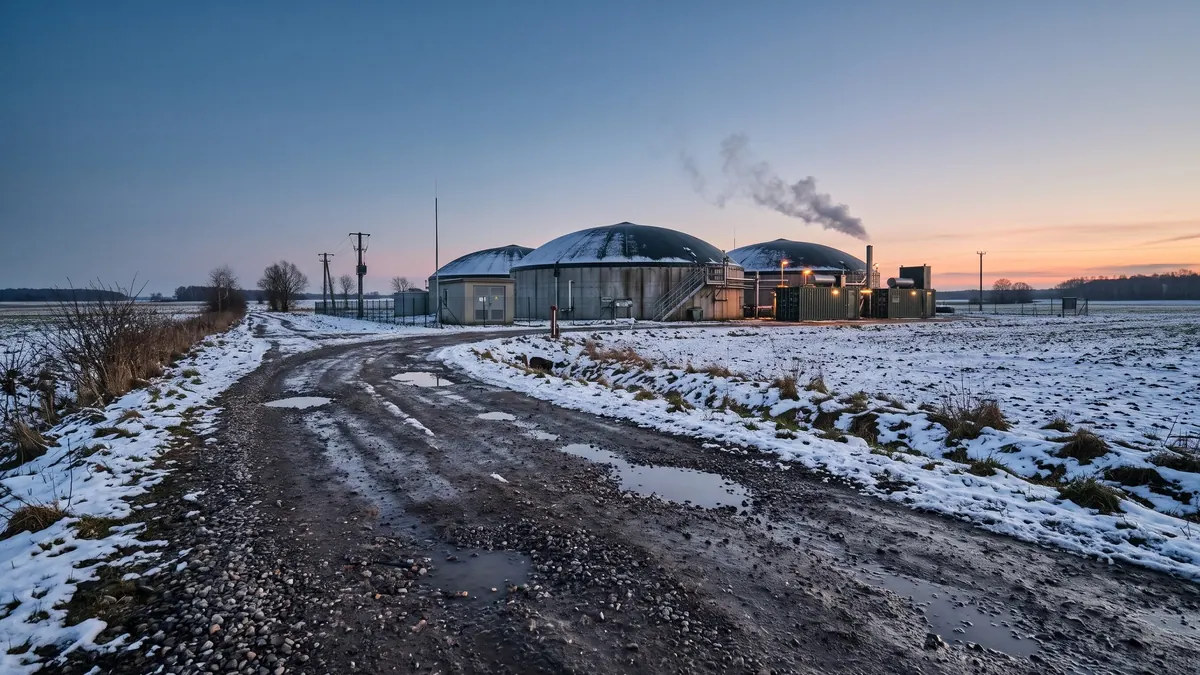
The Local Government Appeals Board in Katowice upheld the environmental decision for the municipal biogas plant in Rybnik-Niewiadom on a reclaimed spoil heap. A residents' association protested; the decision can be appealed to the Voivodeship Administrative Court (WSA).
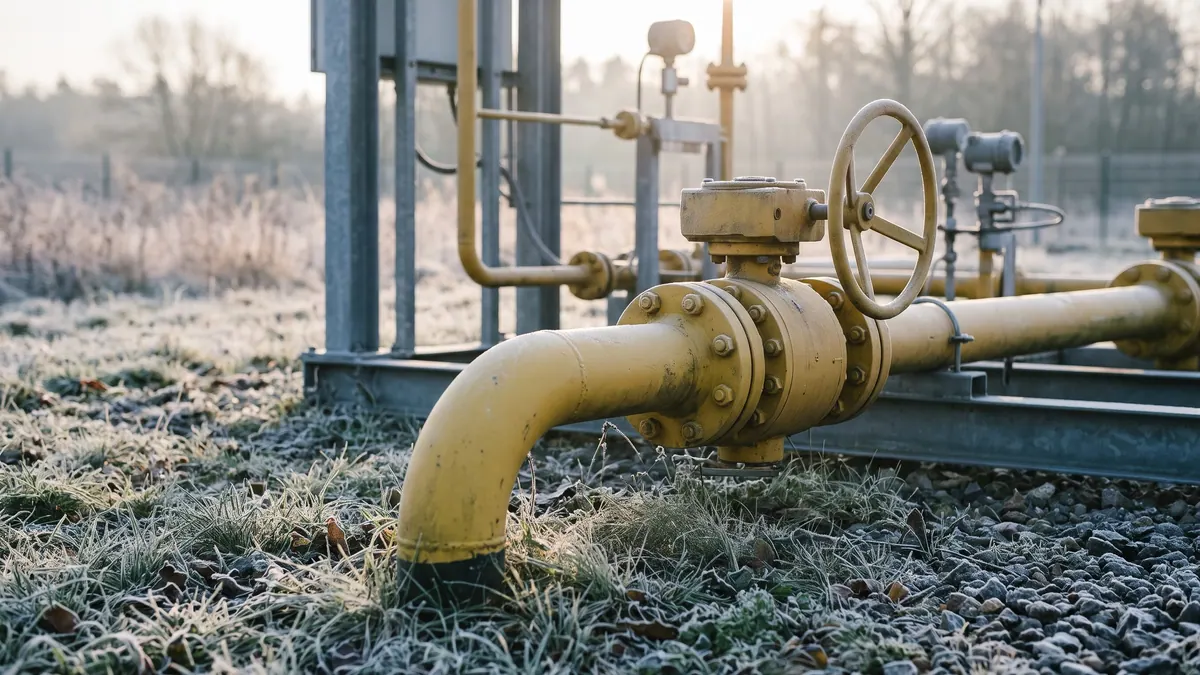
On 25 September 2026 the Agro-Biogas agricultural biomethane plant was started in Komorów (Ostrów Mazowiecka municipality): about 20 GWh of biomethane per year from manure and slurry, injected into the PSG grid; sales are handled by Axpo under a 20-year agreement.
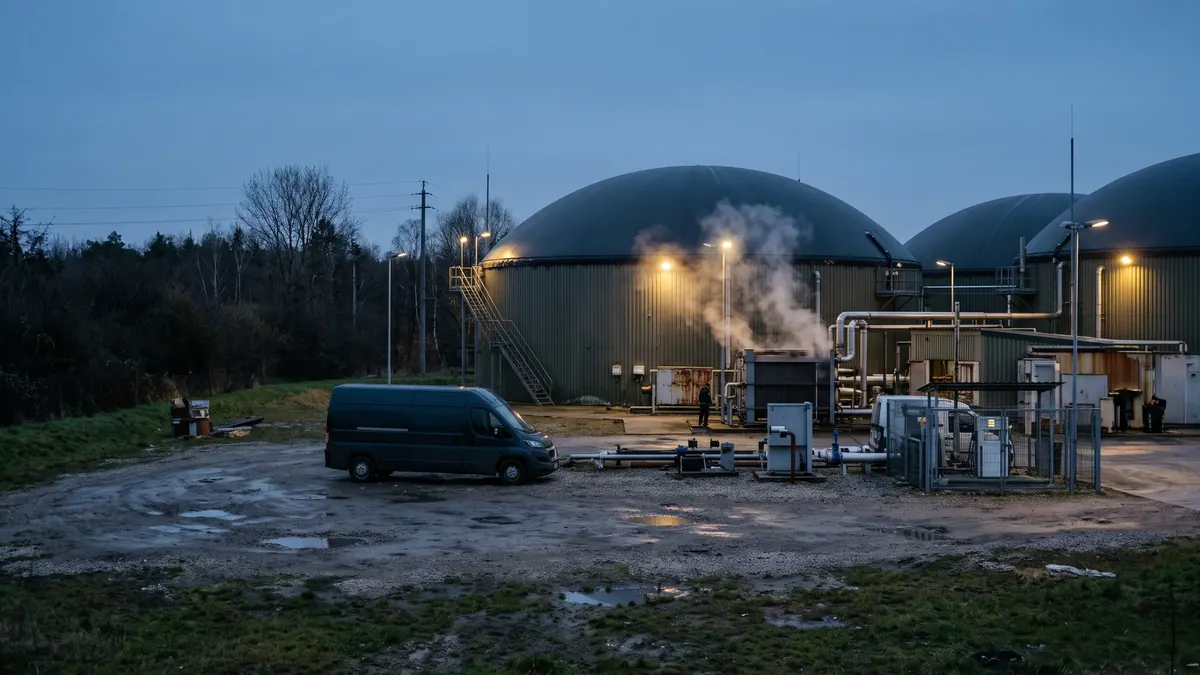
Three main routes: cogeneration, heat alone and upgrading to biomethane. A comparison of technical requirements, scale, off-takers, efficiency and risks, without rates and prices.
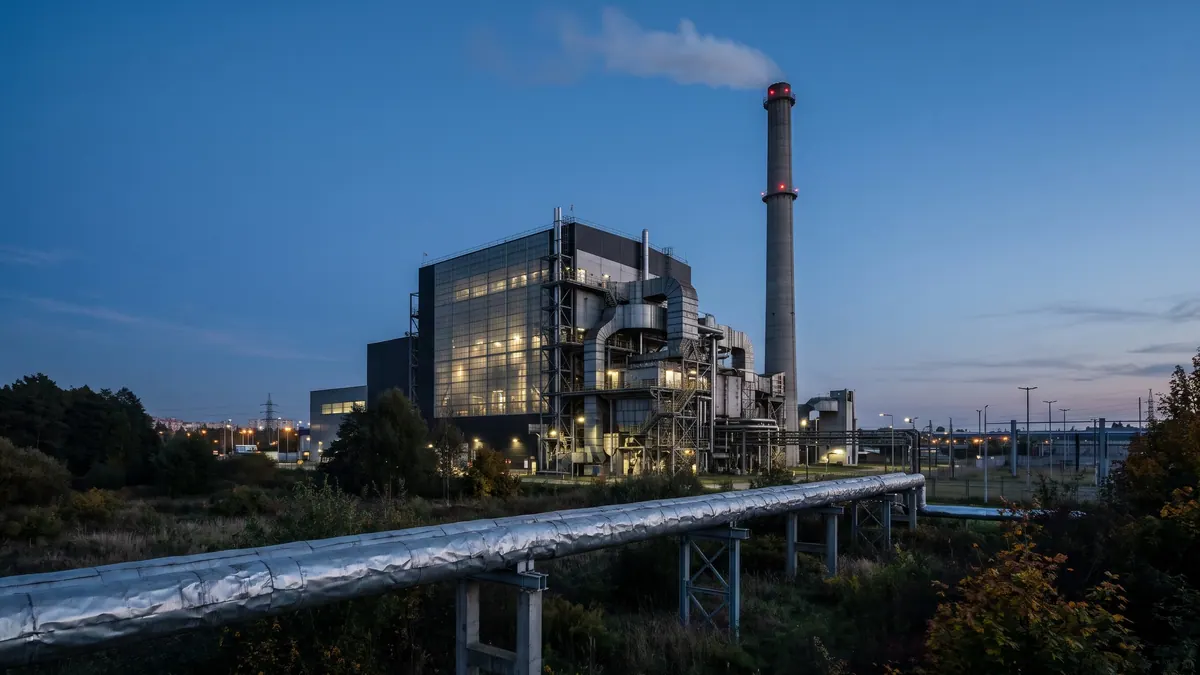
From 1 October 2026 to the end of July 2027 Tramwaje Szczecińskie will buy about 8,395 MWh of energy from EcoGenerator – a municipal waste thermal treatment installation – which will cover about 40% of traction energy demand.
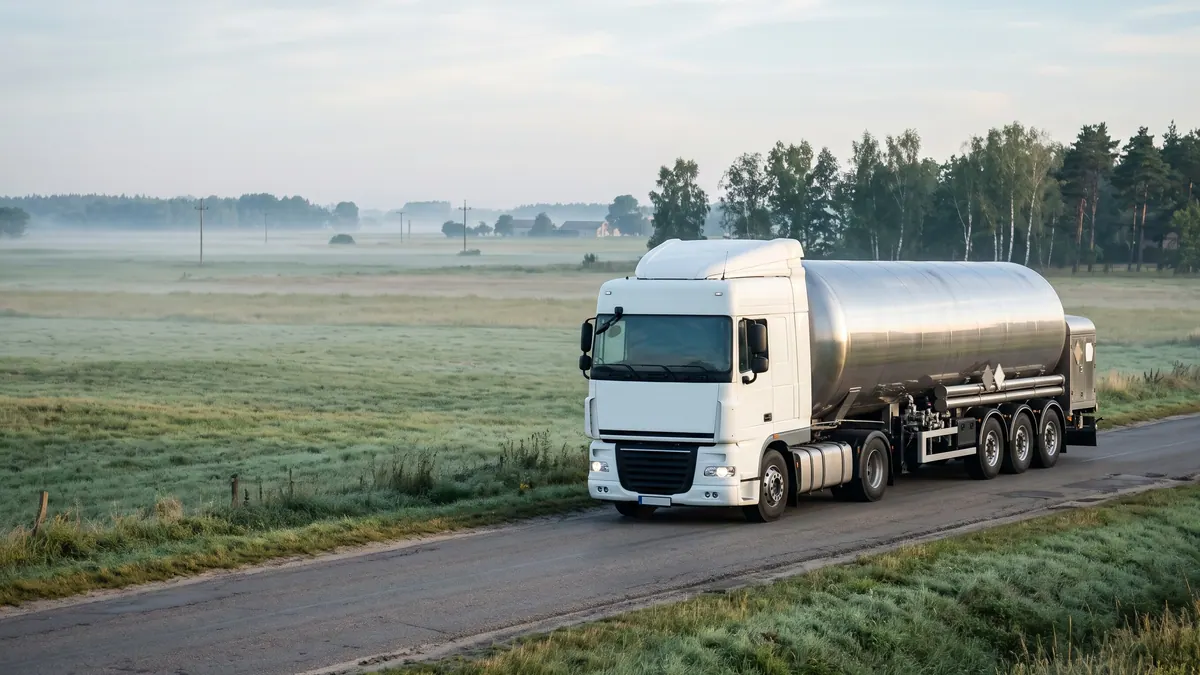
How RED III and the Polish NCW treat biomethane in transport: EU targets, multipliers, caps, the rule of separation from support under the Act on Renewable Energy Sources and practical consequences for bioCNG and bioLNG.