Cogeneration and enginesAnalysis
Environmental permits and notifications for CHP: how to determine the right regime
The environmental regime of a CHP unit is determined by the thermal input in the fuel, a shared stack, the type of installation and the link to the biogas plant. How to establish it step by step.
Other language versions: polski.
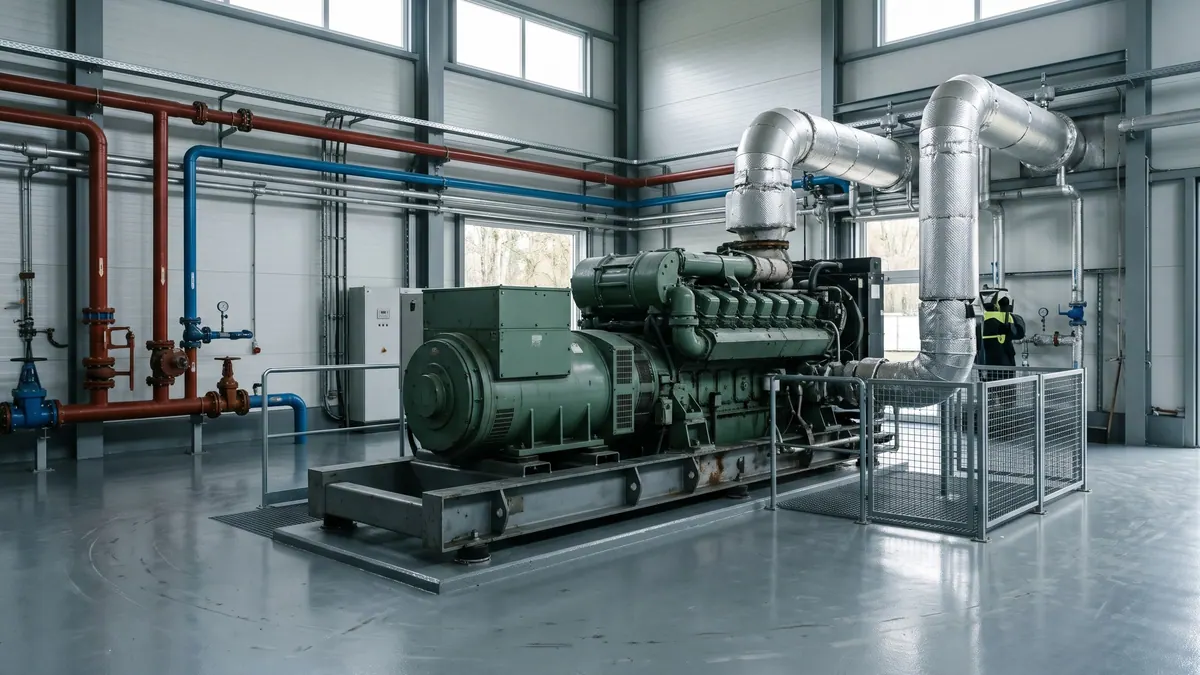
The right environmental regime for a biogas CHP unit is determined in five steps: the thermal input in the fuel is calculated (in total for the units that must be added together), it is checked whether the installation falls into the lists of installation types requiring a permit or a notification, the requirement for an environmental decision for the whole project is assessed, and the obligations arising from the emissions trading system and from reporting are verified. Below we describe the logic of this process. The specific thresholds and lists are set by regulations, which change, so before submitting an application their current wording must be checked.
Step 1: the right measure of capacity
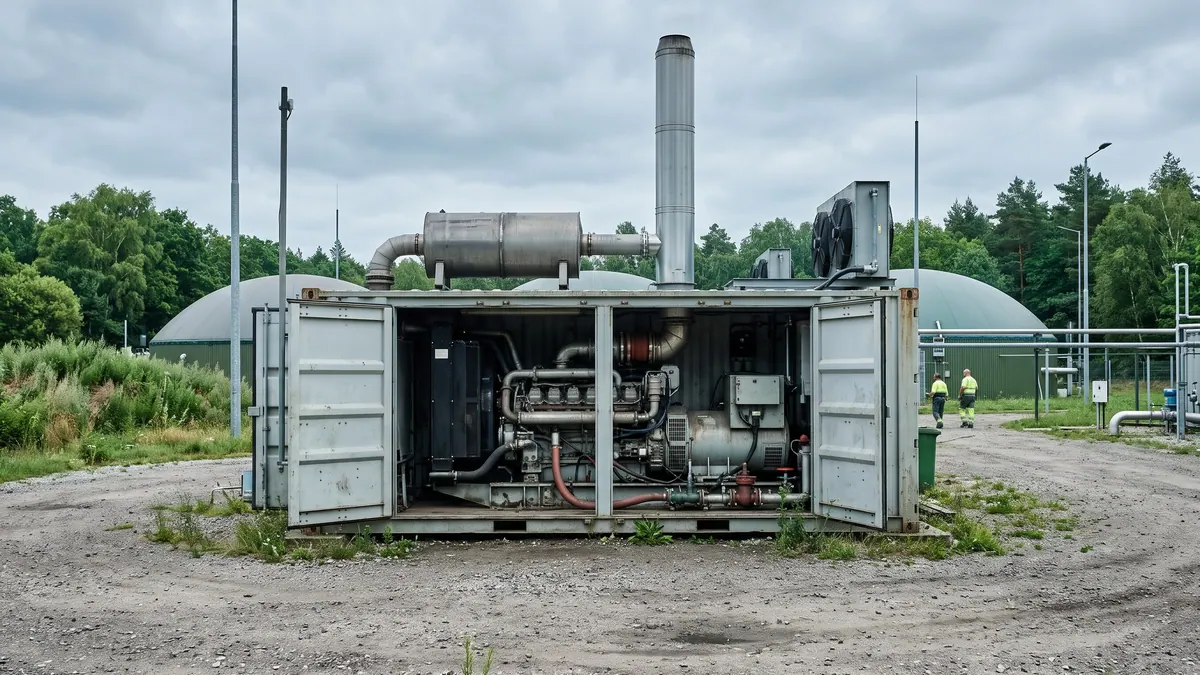
All thresholds concerning fuel combustion are based on the rated thermal input in the fuel (MW), not on the electrical output. A unit with an electrical output of 1 MW at an electrical efficiency of about 40% has a thermal input in the fuel of the order of 2.5 MW (depending on the unit). Typical agricultural biogas plants with one or several engines therefore fall within the medium combustion plant range (1–50 MW) of Directive (EU) 2015/2193, and not within the Industrial Emissions Directive (IED), which concerns large plants of 50 MW and above.
The aggregation of units is of material importance. Directive 2015/2193 provides that the capacities of units whose flue gases are discharged through a common stack are added together, and the same applies to units that, in the assessment of the competent authority, for technical and economic reasons, could be connected to a common stack. Two engines of 600 kW electrical each may therefore fall into a higher threshold than each separately.
Step 2: emissions to air (Environmental Protection Law)
In the Polish legal order the basis is the Environmental Protection Law (Prawo ochrony środowiska) and its implementing regulations. Three situations are encountered:
| Situation | Form |
|---|---|
| Installation covered by a list requiring a permit | Permit for the introduction of gases or dust into the air |
| Installation from a list requiring only a notification, with a small impact | Notification to the environmental protection authority |
| Installation with no permit or notification requirement | No formalities, but standards and fees apply, where relevant |
| Installation covered by the list of installations that may cause significant pollution | Integrated permit |
Which types of installation require a notification and which a permit is specified by regulations issued under the Act. For gaseous fuels the thresholds are sometimes different from those for solid fuels, and with biogas there is the additional question of whether the installation is part of a plant where other activities are carried out (for example waste processing). The latter can influence which authority is competent.
Step 3: emission standards
Emission standards for medium combustion plants were introduced by Directive 2015/2193; in Poland they were transposed into the regulation on emission standards for installations, fuel combustion sources and waste incineration or co-incineration plants. The limit values (including for nitrogen oxides and carbon monoxide) depend on the type of unit (reciprocating engine, turbine, boiler), the capacity, the fuel and whether the plant is new or existing. Gas engines fuelled with biogas must meet the values for their category; in the design it is important to ensure that the offered unit (or its flue-gas cleaning system) meets them across the whole load range. In practice the applicant presents calculations and manufacturer data, and the authority sets the conditions for measurements.
Step 4: the environmental decision for the whole project
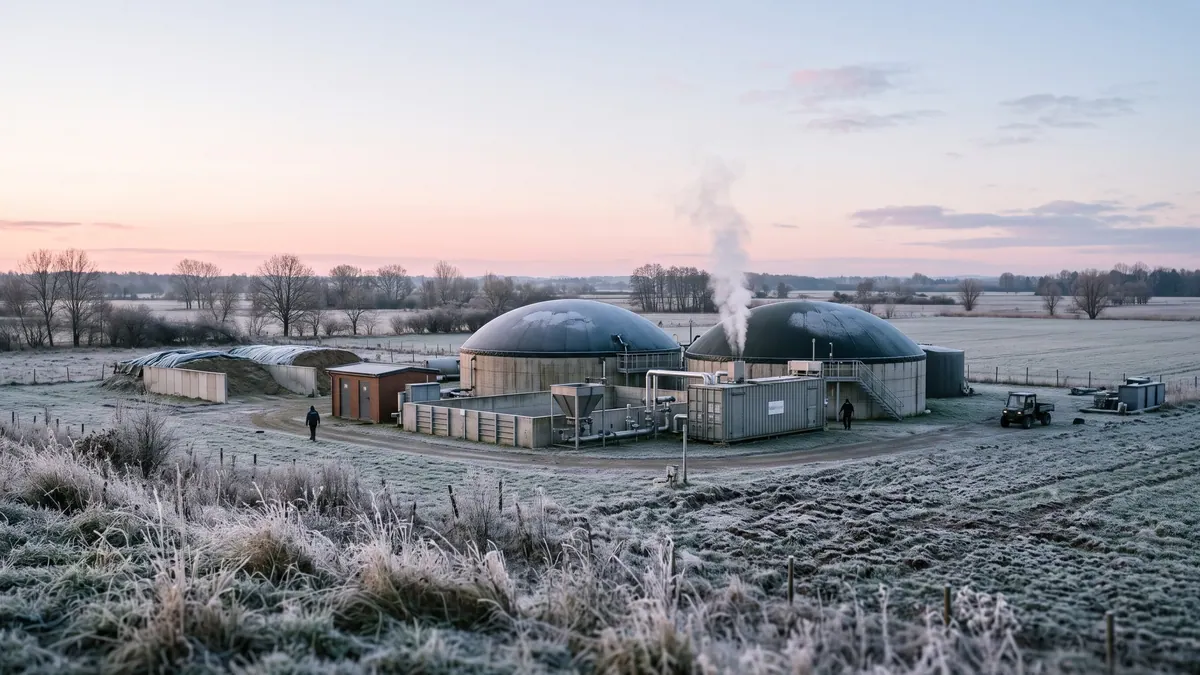
A CHP rarely stands alone. It is usually part of a biogas plant, which is assessed as a single project. The requirement for and scope of an environmental impact assessment arise from the Act on Providing Information on the Environment and the regulation specifying the types of projects that may significantly affect the environment. For this reason, adding another unit to an existing biogas plant is not assessed "in a vacuum", but in the context of a change to the whole project. It must always be checked whether the change exceeds the thresholds in the regulation, and how a "change to a project" is treated.
Step 5: EU ETS and related obligations
The emissions trading system (Directive 2003/87/EC as subsequently amended) covers fuel combustion installations with a total rated thermal input in the fuel above 20 MW. A typical agricultural biogas plant CHP usually lies below this threshold, but aggregation on a single site (for example several boilers and engines) can change that, so it should be calculated. Outside the ETS there remain fee and reporting obligations for the use of the environment and the reporting of emissions to national databases. Their scope arises from separate regulations.
Obligations under energy law (licences, registers, sale of energy) are a separate track from the environmental regime and are not discussed here. Likewise, we describe the requirements for waste processing in a biogas plant in the text on the permit for processing waste.
Checklist before the application
- The thermal input in the fuel of each unit (manufacturer data) and the way flue gases are discharged (common stack or not).
- Whether an extension with another engine or boiler is planned in the future (affects aggregation).
- The current lists of installation types in the regulations (permit, notification, integrated permit).
- Emission standards for the given unit category and evidence that they are met.
- The status of the environmental decision for the whole project and the effects of a change.
- ETS, fee and reporting obligations.
- Cooperation with an authorised designer or environmental consultant who knows the current wording of the regulations.
The choice between CHP and biomethane affects this entire regime; we compare the issue in the text CHP or biomethane.
Typical pitfalls
- Comparing electrical output with the thresholds. The thresholds concern the thermal input in the fuel, which is usually more than twice the electrical output.
- Overlooking aggregation. Adding a second unit with a common stack, or in an arrangement that could have a common stack, changes the classification of the whole source.
- Assuming that a small biogas plant has no obligations. Even installations below the permit threshold have obligations, such as a notification, emission standards, fees or reports, depending on the case.
- Treating the CHP and the biogas plant separately. The authority looks at the whole project, and changes in one part affect the assessment of the whole.
- Relying on old application templates. The lists, thresholds and emission standards change, and an application must refer to the current legal position.
How to prepare data for the application
The application is based on technical data: the thermal input in the fuel, the type and composition of the fuel (biogas, including the methane content and contaminants), the number of operating hours per year, the flue gas parameters, the height and location of the emission points and the method of gas cleaning. To this are added pollutant dispersion calculations and noise data. The data from the unit manufacturer (NOx and CO emissions as a function of load) should be consistent with the operating range planned in the installation. It is worth keeping a margin against the limit values, because the biogas composition and the condition of the engine change emissions over time.
Sources
Questions and answers
Are two CHP engines treated as a single installation?
Directive 2015/2193 requires the capacities of units discharging flue gas through a common stack to be summed, as well as of those that the authority considers could be connected to a common stack for technical and economic reasons. In practice, the decision on combining is made by the authority on the basis of the layout of the installation.
Does a biogas plant CHP unit always require an air emission permit?
Not always. The decisive factors are the thermal input power, the type of fuel and the lists in the implementing regulations to the Environmental Protection Law: some installations require a permit, some only a notification, and some neither. The current regulations for the specific installation must be checked.
Related articles