BiogasEvent
Polska Grupa Biogazowa launches its 19th agricultural biogas plant in Bagdad
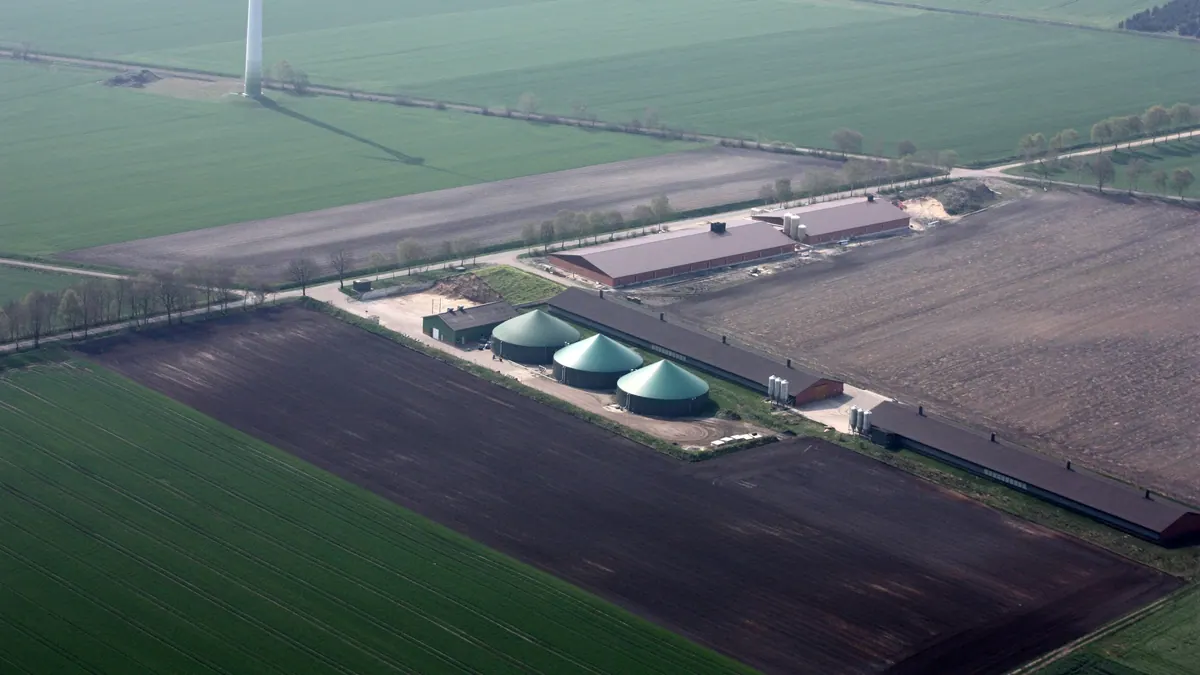
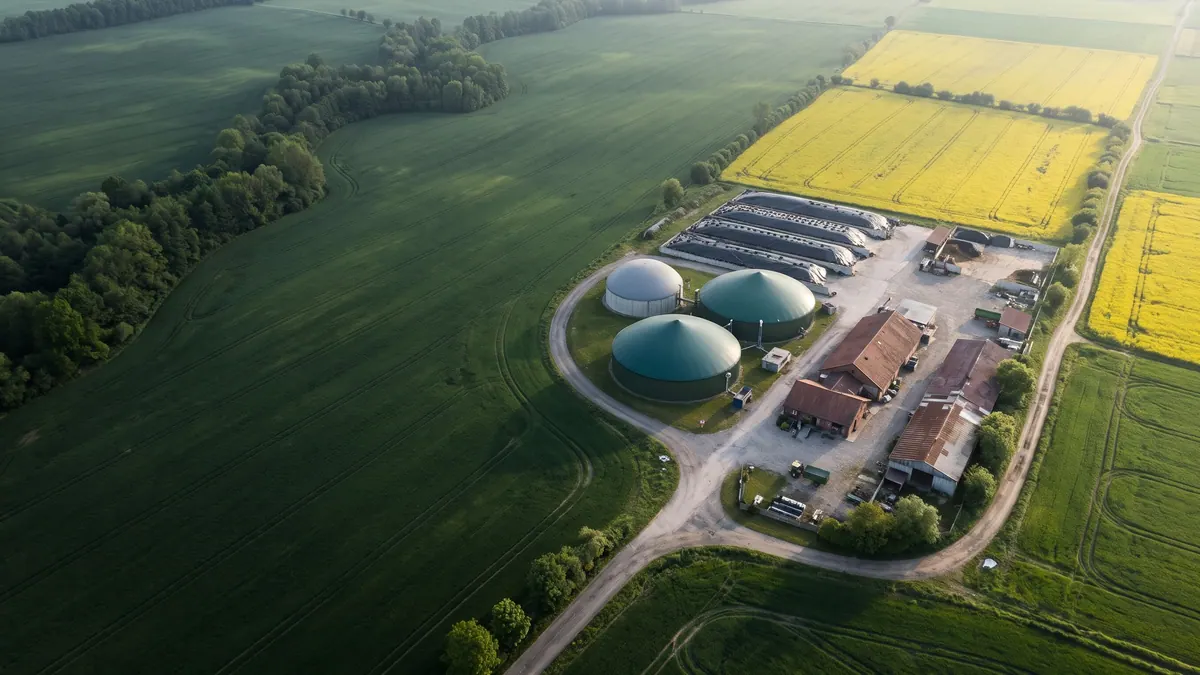
The company Polska Grupa Biogazowa (part of TotalEnergies) has launched in Bagdad in Greater Poland an agricultural biogas plant producing about 8.3 GWh of electricity and 8 GWh of heat a year. It is its 19th installation in Poland.
Other language versions: polski.
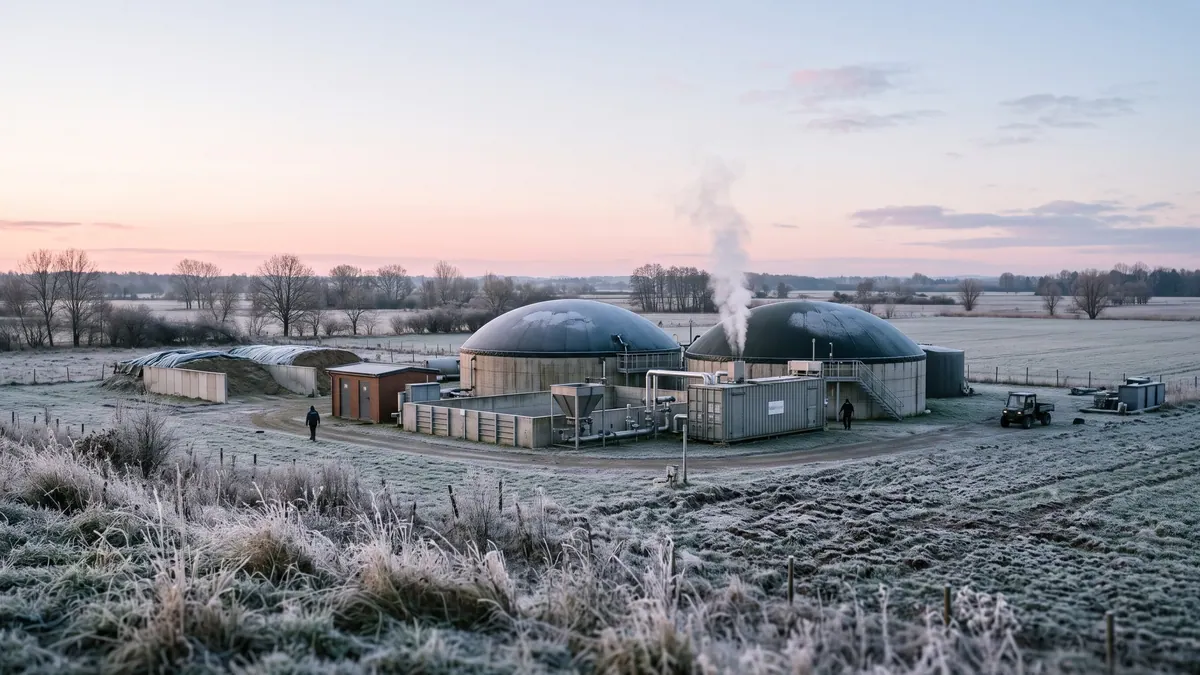
Polska Grupa Biogazowa (PGB), owned by the French group TotalEnergies, announced on 1 October 2024 the launch of an agricultural biogas plant in Bagdad in Greater Poland. It is its 19th biogas plant in Poland and further proof that the biggest player in the agricultural biogas segment is today an entity with foreign capital, operating according to a repeatable model: a standard project, cogeneration and its own service base.
Installation parameters
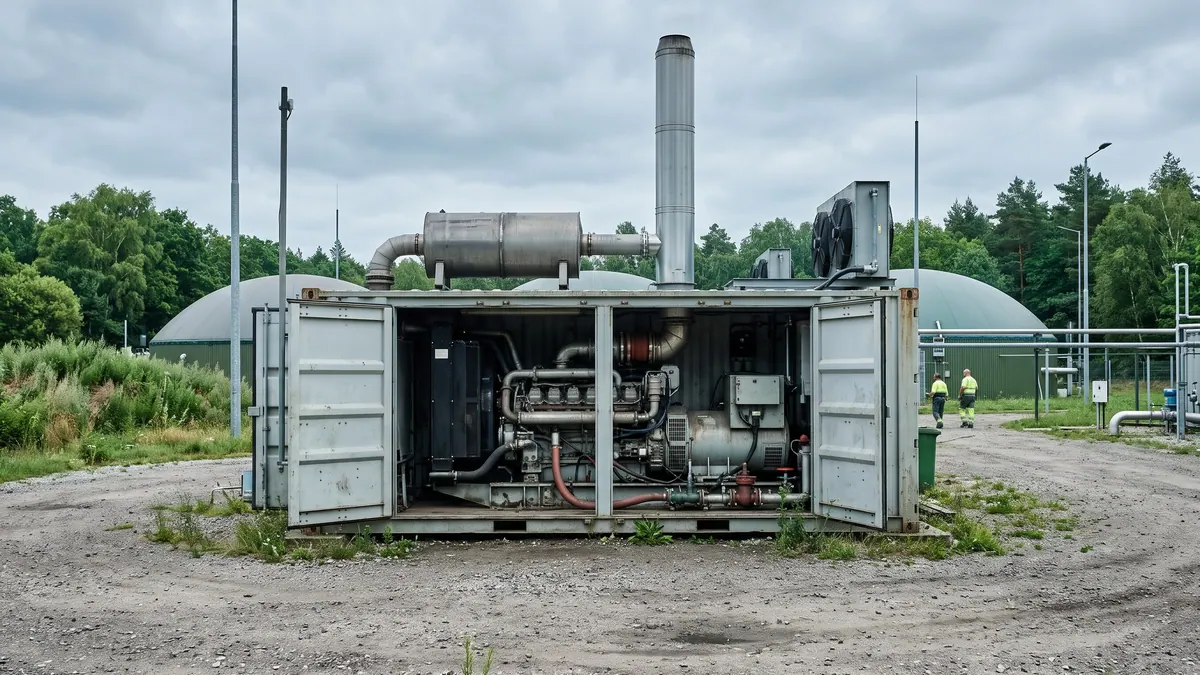
The biogas plant operates in cogeneration (CHP), that is, it produces electricity and heat at the same time. Annual production is about 8.3 GWh of electricity and about 8 GWh of heat, which according to the company corresponds to the annual demand of about 3,000 Polish households. The installation uses organic waste – the description does not name specific substrates. The digestate will be sold as fertiliser; the company stresses that it is richer in nitrogen, potassium and phosphorus than traditional manure. In addition, heat from cogeneration is to be used for a wood-drying service for furniture manufacturers and joinery workshops – an example of coupling with the local economy that improves heat utilisation.
The company's portfolio
PGB has operated since 2017, employs more than 170 people and specialises in cogeneration from biogas. After the installation in Półwsi (Warmian-Masurian Voivodeship) planned to be launched this year, its portfolio is to comprise 20 biogas plants with a combined capacity of about 21 MW and annual production of 0.4 TWh. About 50 projects are at the advanced preparation stage, and several dozen more are in planning. TotalEnergies declares a target of 10 TWh of biomethane a year by 2030.
Significance for the industry in Poland
For the Polish biogas sector, the PGB story is important for three reasons. First, it shows the scale of possible involvement of farmers as substrate suppliers and digestate recipients. Second, it shows that a service base and standardisation reduce operating risk, which translates into the availability of bank financing. Third, it illustrates the grid barrier: further installations of several MW require connections to the electricity grid, and according to the industry a large share of biogas plant connection applications was rejected.
Looking towards 2030, some such installations may be converted into biomethane plants – provided there is access to the gas grid and support for larger units.
What next
The company plans further launches and expansions, and the next installation – in Półwsi – is to start this year. It is worth watching how PGB copes with electricity grid connections and whether some installations will be converted into biomethane plants. For farmers and substrate suppliers this means a stable buyer, but also high expectations as to feedstock quality and timeliness of deliveries.
Sources
Related articles