BiogasEvent
E.ON builds its first biogas plant in Poland. A 1 MWe installation near Pułtusk
E.ON Polska has advanced construction of its first own agricultural biogas plant near Pułtusk: 1 MWe, about 8 GWh of electricity a year, with commissioning planned for December 2024.
Other language versions: polski.
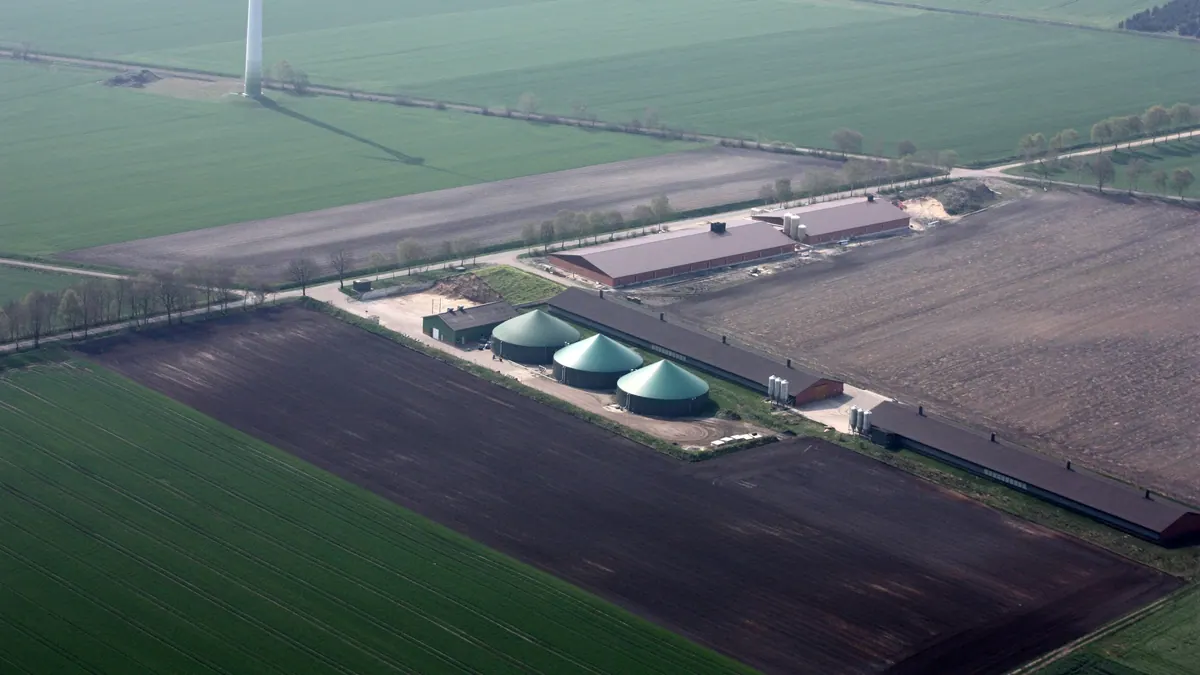

The German group E.ON, operating in Poland through E.ON Polska, is building its first own agricultural biogas plant in the country. According to information of 1 July 2024, the 1 MWe installation is being built near Pułtusk in Masovia and is to deliver about 8 GWh of green electricity a year. It is one of the signs that large energy groups are entering the Polish biogas market.
What is known about the project
The biogas plant will operate continuously – about 8,200 hours a year – for a planned 15 years. The feedstock is to be agricultural biomass and waste, and the digestate will be sold to local farmers as fertiliser, which according to the investor will reduce emissions related to transport. Heat from cogeneration is a by-product; the description does not name an external heat customer.
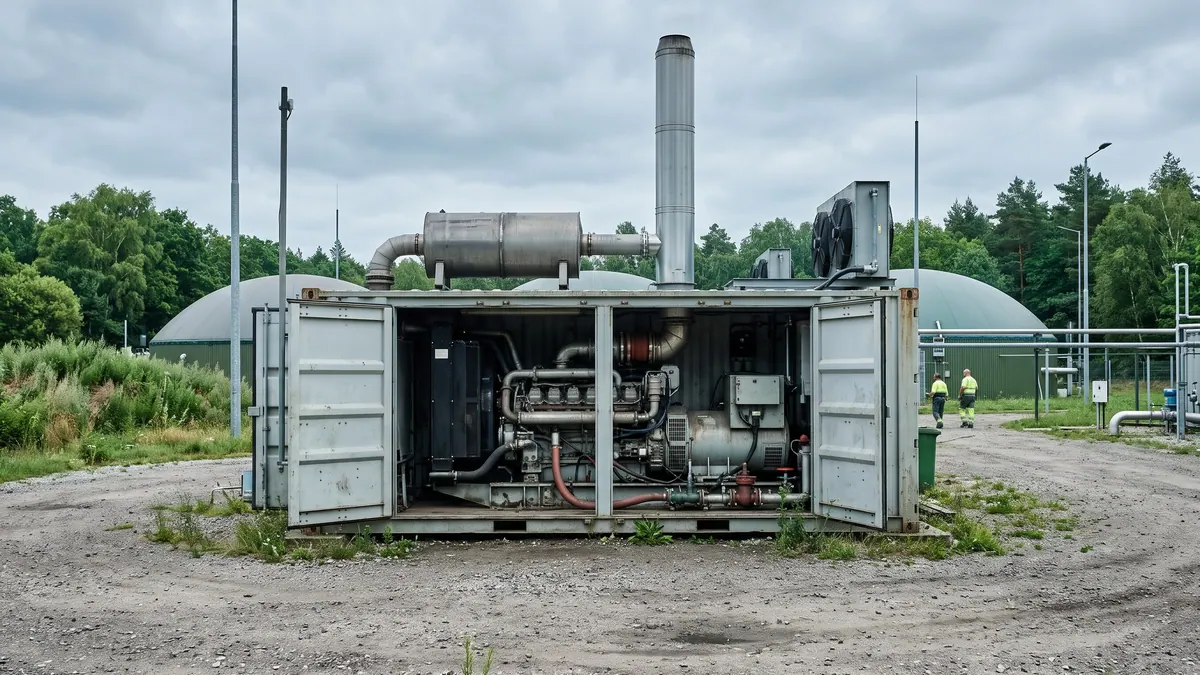
The general contractor is the company Biowatt, which began work in November 2023. In June 2024 the cogeneration unit and the transformer station were installed, and all the digestion and digestate tanks were already ready. Work on infrastructure and on building the substrate reception hall remained. Commissioning was planned for December 2024. For the first two years after start-up the installation will be run by Biowatt, which has more than ten years of experience and its own biogas plant in Lower Silesia.
Why this matters
The entry of energy groups into agricultural biogas – including E.ON, Orlen, TotalEnergies (through Polska Grupa Biogazowa) and Axpo – is changing the structure of the market. The largest companies have access to capital, energy trading and contracts, but they must also adapt to local requirements: agreements with farmers for substrates and digestate, environmental permits and public acceptance. A 1 MWe installation is within the scale of a typical Polish agricultural biogas plant, so the project shows the "classic" model: electricity generation with cogeneration, rather than biomethane.
Significance for the industry in Poland
For technology suppliers and service companies, every contract with a new operator is a chance for ongoing servicing. For farmers, it is the possibility of concluding multi-year substrate agreements and of having digestate taken as fertiliser. From the energy system's perspective, the installation produces stable baseload electricity, which sets it apart from photovoltaics and wind.
Limitations must be remembered, however: electricity grid connection conditions were and remain one of the main barriers for biogas plants – according to the industry, even a significant share of connection applications was rejected.
What next
According to the schedule, full commissioning is to take place in December 2024. It is worth watching whether the deadlines are met: in Polish biogas investments, delays of several months are common, mainly because of grid connections and equipment deliveries. For farmers and substrate suppliers, long-term agreements and the rules for settling digestate will be important. For the market the signal is clear: more and more large energy groups are building their own installations rather than merely buying energy from external producers.
Sources
Related articles