BiogasEvent
Korea: 500 million Nm³ of biogas a year by 2026 – the Ministry of Environment strategy
The environment ministry strategy aims at producing up to 500 million Nm³ of biogas a year by 2026, cutting emissions by 1 million t a year and processing 5.57 million t of organic waste.
Other language versions: polski.
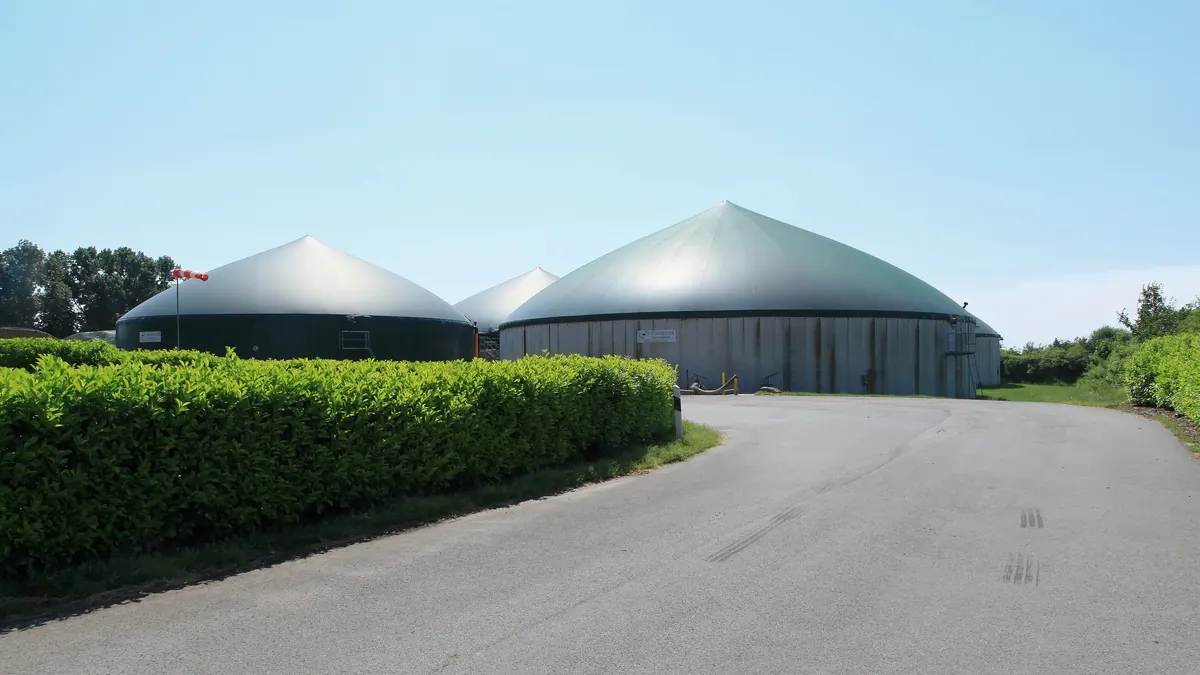

The Ministry of Environment of South Korea presented in June 2024 a strategy for developing biogas from organic waste. It aims to increase production to 500 million Nm³ a year by 2026, cut emissions by about 1 million t CO₂eq a year and process 5.57 million t of organic waste. According to Argus, in 2022 the country produced about 370 million Nm³ of biogas at 110 plants, with about 15% of capacity remaining unused. Argus also reports that the amount of organic waste has grown by 12% over a decade, and 80% of it goes to feed and compost, with only 6% going to biogas production.
Who the strategy applies to
The basis is the act on promoting the production and use of biogas from organic waste, which obliges local authorities and large private producers: pig farms with 25,000 pigs or more, food waste producers generating 1000 t a year or more, and subsidised slurry treatment plants. According to the ministry briefing of 21 June 2024, the obligation covers 235 local authorities and (as of 2022) about 52 entities from the private sector (in the ministry's terms): 9 farms, 33 food waste producers and 10 slurry treatment plants processing at least 200 t per day, subsidised from the state budget (the ministry calls them “public”); the list may have changed after an inventory. According to this briefing and Argus, the targets for the share of waste directed to biogas are 50% for public entities and 10% for private ones by 2034, followed by a gradual rise to 80% by 2050 (other reports give earlier deadlines – see the article on the act).
Market impact
Biogas is to replace fossil fuels worth about 230 billion won (about 166 million USD) a year. The introduction of the obligation and grants will increase demand for technologies: digestion of food waste and slurry, upgrading and heat recovery systems. Pressure will also appear on logistics – waste transport and digestate management.
Risks
- 15% unused capacity is an indicator that the strategy is meant to improve.
- The obligation for pig farms provoked opposition from the farming sector.
What this example teaches
For Poland and the EU, the Korean strategy is an example of planning based on a single figure (Nm³ of biogas) and an obligation placed on waste producers. In the EU, biomethane development relies rather on the targets in REPowerEU and on the guarantees of origin market. Both routes have advantages, but the Korean one emphasises the logic of the circular economy: whoever produces waste is responsible for its energy recovery.
Sources
Related articles