BiogasEvent
German biogas plants after EEG expiry: oversubscribed tender and industry concerns
The Bundesnetzagentur tender for continued support of biogas plants: 788 bids for 742 MW against a volume of 240 MW. The industry warns of closures of installations that heat schools and homes.
Other language versions: polski.
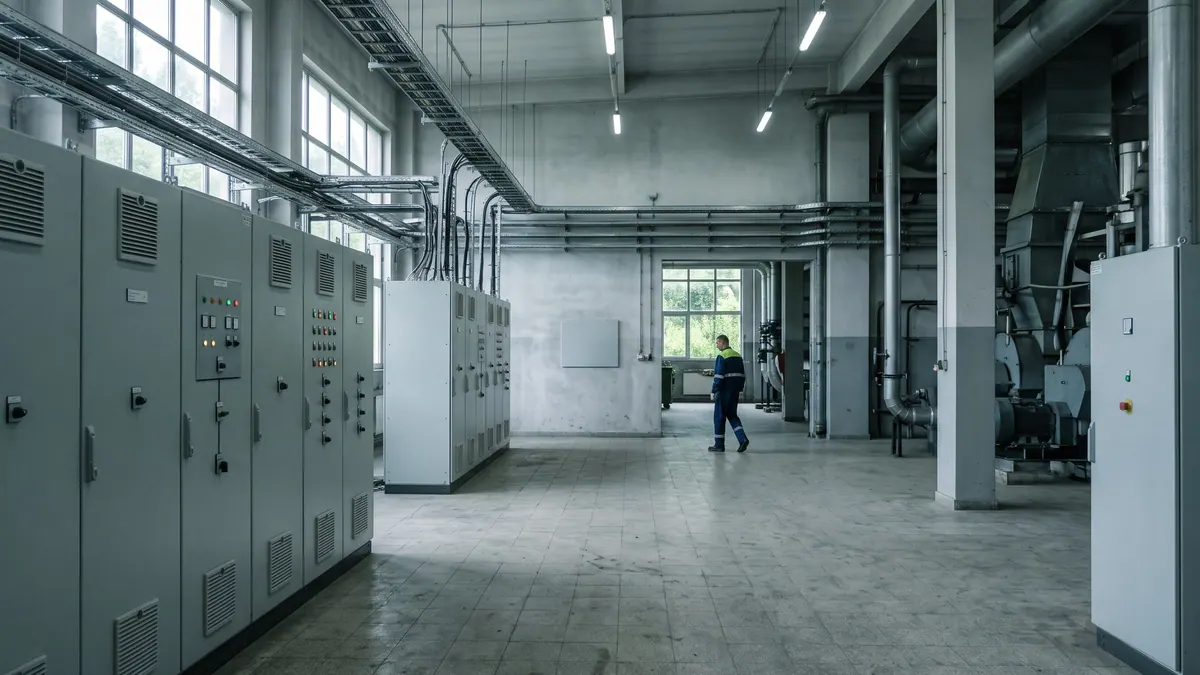
German biogas plants that lose support under the Renewable Energy Sources Act (EEG) after 20 years face several times more applicants in successive auctions than there is capacity available. According to reports of 25 June 2024, the Bundesnetzagentur tender received 788 bids for 742 MW, whereas the volume was 240 MW. The industry warns that many installations, important for heat supply, may be shut down.
Tender results
Of the 788 bids, only 8 (11 MW) concerned new installations and 780 (731 MW) existing ones. 263 bids with a total capacity of 243 MW won: 6 for new installations (9 MW) and 257 for existing ones (235 MW). Prices of winning bids ranged from 14.16 to 18.48 ct/kWh, averaging 17.80 ct/kWh. More than 500 interested operators did not receive a contract. The most winners came from Bavaria (90 MW from 127 bids), followed by Lower Saxony (50 MW), Baden-Württemberg (33 MW) and North Rhine-Westphalia (26 MW).
What the industry survey says
The NSB association surveyed 540 of its 3,200 members. According to the source, "more than 2/3 of respondents" (212 operators, which is however about 39% of the 540 surveyed – the percentage base in the source is unclear) took part in the auctions, but only 42% of them won. Nine in ten respondents supply heat to residents; 89% of installations supply customers with heat from biogas, including more than 21,000 households, 124 schools and kindergartens, 51 swimming pools and 54 care homes or hospitals. 307 firms planned to continue taking part in auctions, 88 (16%) planned to close, and 28% said that the end of support would also end heat supply. Extrapolated to about 9,900 German biogas plants, this gives estimates of an impact on hundreds of thousands of households.
The association demands raising the annual support volume to 1,800 MW and a premium of €120/kW for balancing services.
Significance for the industry in Poland
The German situation shows what may happen to biogas plants in Poland in the 2030s, when support periods for the first generation of installations begin to expire. Four conclusions: (1) biogas plants can serve as flexible capacity and heat suppliers, so closing them has system costs; (2) switching to biomethane is one of the paths to a "second life" (13% of respondents planned such a change); (3) the support system after the subsidy period should be predictable so as not to force shutdowns; (4) support tied to heat (networks, customers) has higher social value.
What next
The discussion on the future of German biogas plants will continue in the context of the planned reform of energy law. The industry is calling for a larger auction volume, premiums for system services and a pathway for moving from the old support system to the new one. For market observers, it matters whether the government decides to link support to a heat customer and flexible operation of the installation.
Sources
Related articles