BiogasEvent
Germany: the Bundestag passes EEG 2021 – a new framework for biogas and biomass
In mid-December 2020 the Bundestag adopted an amendment to the Renewable Energy Sources Act (EEG 2021), applicable from 1 January 2021. For biogas, the southern quota in tenders and the bonuses for small slurry plants are important.
Other language versions: polski.
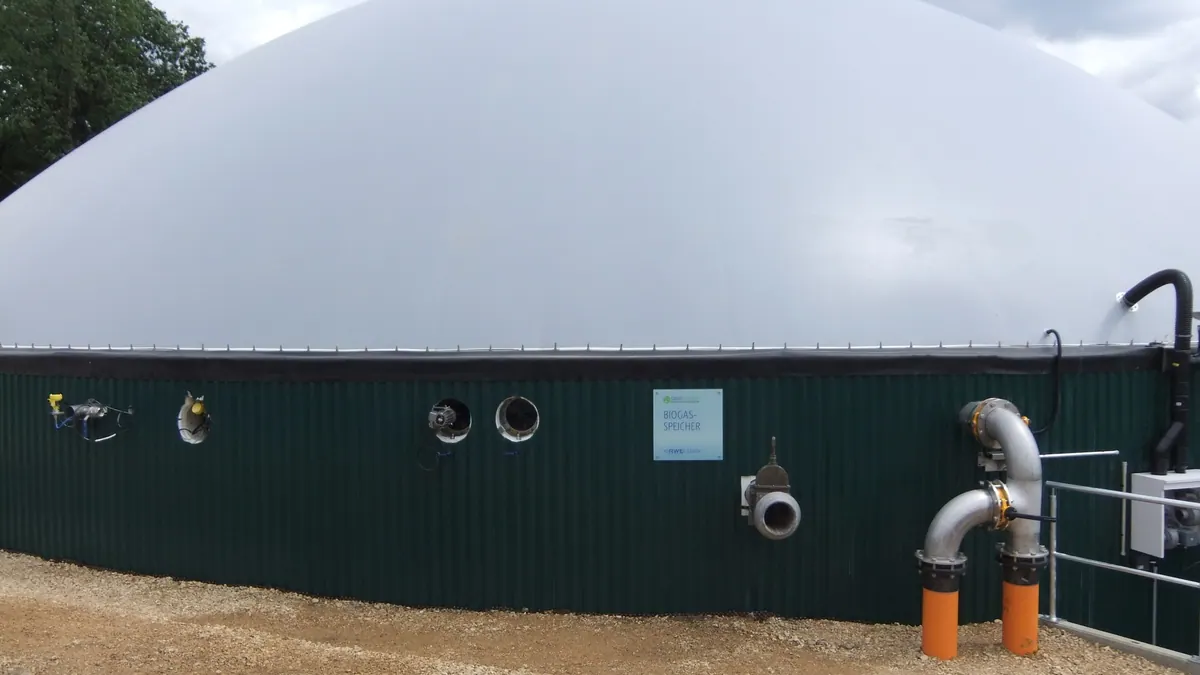

On 17 December 2020 the Bundestag passed an amendment to the Renewable Energy Sources Act (EEG 2021), which is to apply from 1 January 2021. For the biogas market this is one of the most important changes of recent years in Germany – the country with the largest biomethane production in Europe. The new provisions change the rules of biomass tenders and introduce regulations for slurry plants.
Goals and framework
EEG 2021 sets the target direction: electricity generated and consumed in Germany is to be climate-neutral before 2050, and by 2030 renewable sources are to cover 65% of electricity consumption. The act continues the tender system, in which generators submit price bids, and the feed-in tariffs for small installations. Biogas installations can take part in biomass tenders.
The most important changes for biogas
The biogas industry drew attention above all to two issues:
- the southern quota (Südquote) – the provisions limit the awarding of bids in biomass and biomethane tenders so that part of the quota must go to installations in the southern federal states; critics pointed out that when too few bids come from the south, bids from the north cannot be awarded either;
- a bonus for small slurry plants – the provisions include further support for small installations processing slurry; however, their application required the approval of the European Commission for state aid.
During work on the act, the German biogas industry criticised, among other things, the southern quota, pointing out that it may make it harder to award tenders.
Significance for Poland
Germany is a reference point for the Polish industry for two reasons. First, it is the largest biogas market in Europe and the largest producer of biomethane, as reported by the REGATRACE report in May 2020. Second, German regulatory solutions – tenders, flexibility premiums, slurry bonuses – are sometimes a model for national solutions. At the same time, the Polish market remained smaller and more dependent on auctions and fixed tariffs for installations up to 1 MW.
What next
After the adoption of EEG 2021, implementing regulations and the approval of the European Commission for selected elements remained to be settled. The biogas industry stressed that the stability of the legal framework is a condition for investment – especially as many installations are reaching the end of their support periods and must decide whether to move to flexible power generation or to biomethane.
Why Germany matters so much
Several thousand biogas installations operate in Germany, and the industry developed for years on the basis of feed-in tariffs from the first versions of the EEG. As these tariffs expire, more and more installations must look for a new model: taking part in tenders, flexible operation in response to electricity prices, or switching to biomethane production. Legislative decisions in Berlin therefore affect the market for machinery, services and substrates across Europe, including Polish suppliers.
Sources
Related articles