BiomethaneEvent
Denmark: biomethane covers over 20% of gas consumption from the grid
Operator Energinet reported that by the end of 2020 biomethane injected into the grid made up over 20% of Danish gas consumption, and on a single summer day the share exceeded 40%.
Other language versions: polski.
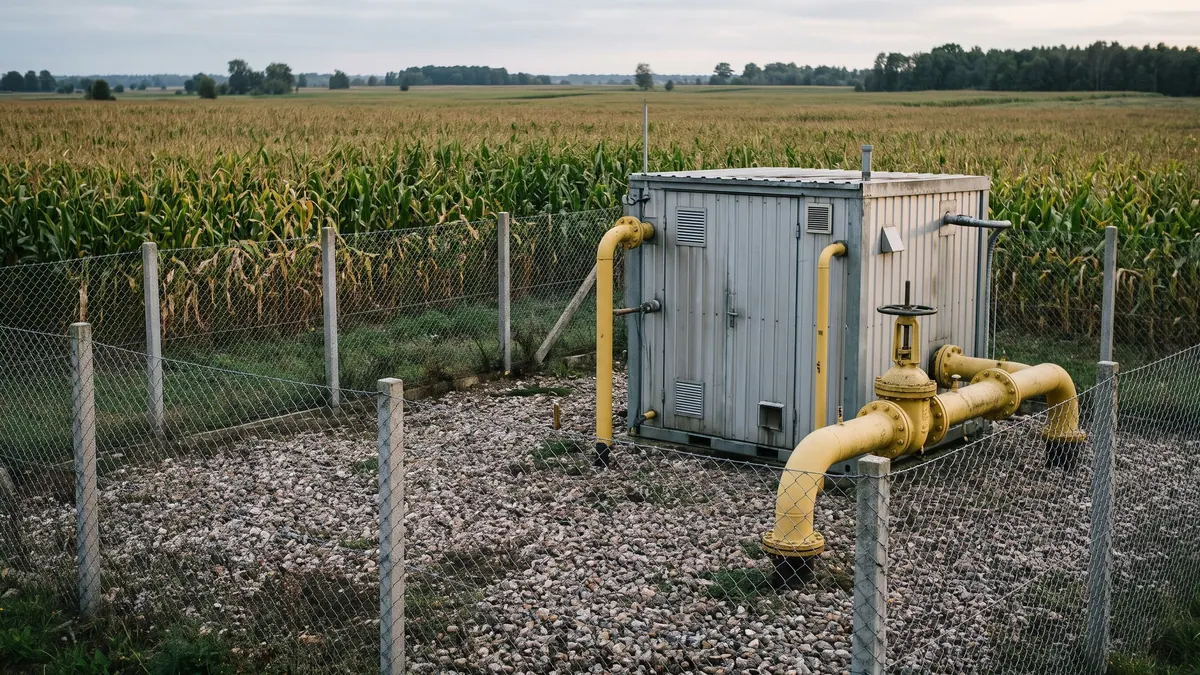
The Danish energy systems operator Energinet announced on 18 December 2020 that by the end of the year biomethane injected into the grid would account for over 20% of gas consumption in Denmark. In summer the share was even higher – on one day in July it exceeded 40%. Denmark has thus become one of the first countries in which biomethane is a significant part of the gas flowing in the grid.
What this result means
The share of biomethane in gas consumption depends on both production and consumption: in summer, when demand for gas is lower, the same amount of biomethane makes up a larger fraction of the flow. That is why record shares appear in the summer months. Even so, the full-year result shows that a share exceeding 20% is realistic if the support system and regulations favour investment.
For years Denmark has been developing its biogas sector on the basis of slurry, agricultural waste and biowaste. According to the REGATRACE report, biomethane production in 2017 was about 1.4 TWh, and the country produced more biomethane than it consumed on the domestic market – surpluses were exported or stored.
Significance for Poland
The Danish experience shows which elements favour rapid growth:
- long-term production support, independent of the gas market situation;
- easy connection to the gas grid, including obligations on the operator;
- large quantities of substrates from intensive farming, mainly slurry;
- joint planning of agriculture, energy and the environment.
Poland has large feedstock potential, but in 2020 it had neither a support scheme for biomethane nor clear rules on its injection. Denmark is an example of a country that built these elements earlier, which made it possible to reach a high share quickly.
Limits of the comparison
It is worth remembering the differences: Denmark is much smaller, has a dense gas grid and intensive livestock farming on a small area. Conditions in Poland – dispersed farms and a different ownership structure – require different logistical solutions. However, the direction itself – a growing share of renewable gases in the grid – remains common.
What next
The growing share of biomethane raises questions about grid balancing, gas quality and certification of origin. For operators it means the need to invest in metering and in mechanisms for reversing flows between networks at different pressures. For consumers – the possibility of using gas with lower emissions, provided that guarantees of origin are ensured.
The role of slurry
Slurry makes up a large share of Danish biogas; in itself it has a low gas yield per tonne, but its digestion prevents methane emissions from storage and it is easily combined with other agricultural waste to raise efficiency. For Poland, with its large pig and poultry production, this is an important pointer: a model based on animal waste requires collection logistics and well-planned digestate management at regional scale.
Sources
Related articles