Germany announces a "comprehensive biomass package". Priority for heat and flexibility
On 19 August 2024 German Economy Minister Robert Habeck announced a comprehensive biomass package: support for biogas plants is to go mainly to installations linked to heat and operating flexibly.
Other language versions: polski.

German Economy Minister Robert Habeck announced on 19 August 2024 a "comprehensive biomass package", which is to change the rules of support for biogas plants after the original guarantees expire. The plans were reported by the German press agency. The package is a response to a problem that has been growing in Germany for years: many installations lose EEG support after 20 years, and there are far more applicants for follow-on auctions than available volume.
Main assumptions
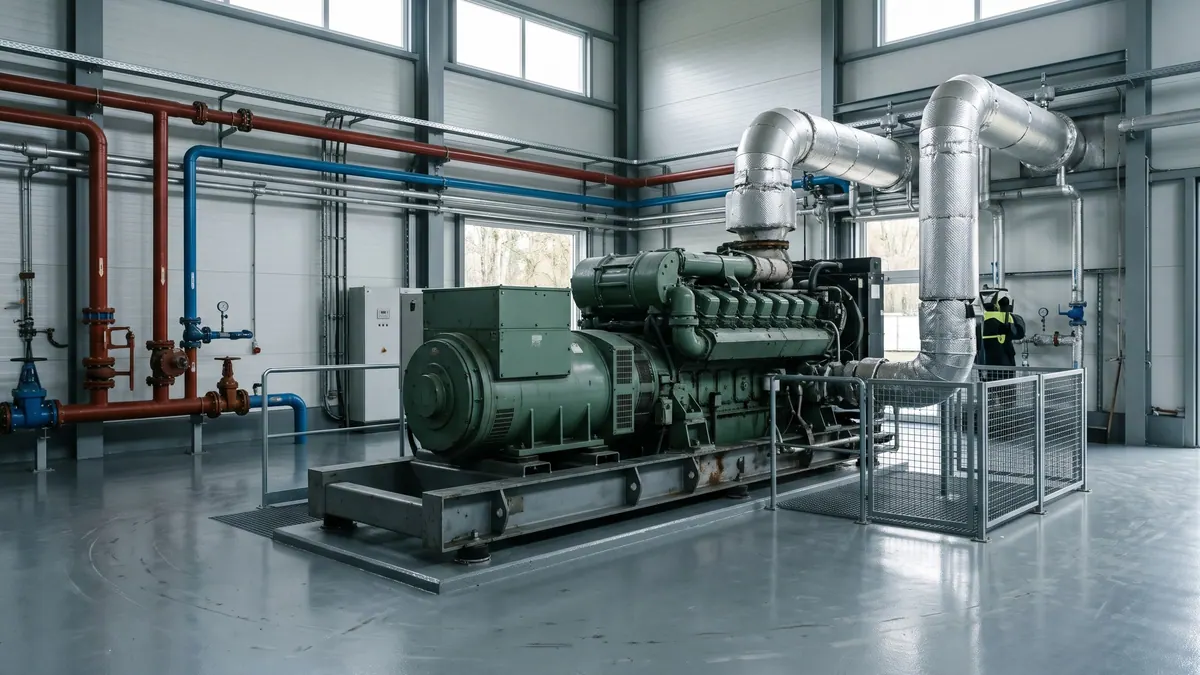
According to reports, Habeck stated that biogas can remain important in the future energy system: installations can supply heating plants and heating networks, and biogas can be used flexibly when wind and solar output is low. Biomass is a limited and valuable resource, so support is to be directed first of all to:
- installations connected to a heating network or supplying heat to customers,
- installations operating flexibly, with payments limited to the hours when electricity is needed.
Operators would be able to move from the old support system to the new one during an ongoing subsidy period, and the proposals were to be included in the planned reform of energy law. In the first half of 2024 biomass covered about 9% of electricity consumption in Germany.
Why this matters
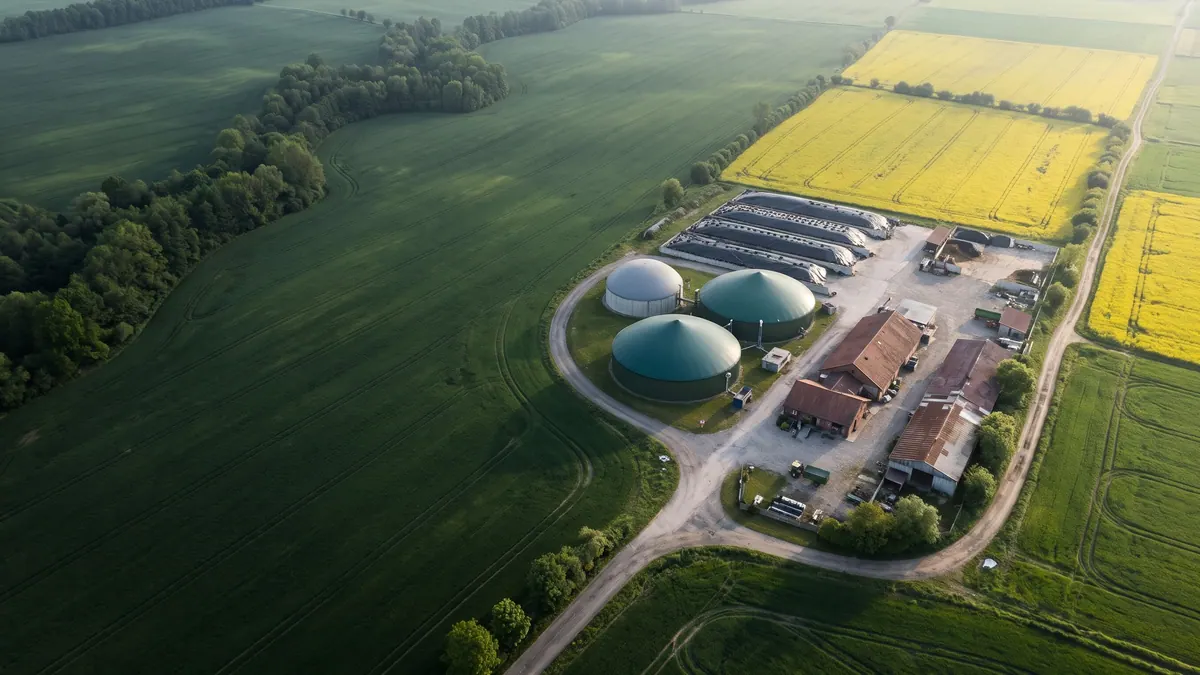
Germany has the largest number of biogas plants in Europe (about 9,900 according to the industry association). Their fate determines both heat supply to many towns and flexible balancing capacity in a system with a growing share of variable sources. Adopting the principle of "heat and flexibility" translates into a concrete hierarchy: constant-output installations without heat customers will be in a weaker position.
Significance for the industry in Poland
Poland does not yet know the scale of expiring support, but the first installations from 2010–2015 are approaching the end of their subsidy periods around 2030. The German example points to three directions: tying support to a heat customer, rewarding flexibility and creating a transition path from the old to the new system. For Polish operators, converting biogas plants into biomethane plants is also relevant (though this requires a connection and investment in upgrading).
It is also important that German solutions affect the market for equipment and services: servicing, engine modernisation and gas storage for flexible operation.
What next
The proposals are to be included in the planned reform of energy law, and their details – the volume of support, the level of premiums, the flexibility criteria – will be specified during parliamentary work. For operators of existing biogas plants, the most important question will be whether the transition path from the old system to the new one is opened widely enough to avoid a wave of closures. Market observers should also follow the results of further biomass auctions, because they show the real level of competition.
Sources
Related articles