Waste and circular economyEvent
Uganda: collapse of the Kiteezi landfill in Kampala. At least 23 victims
On Saturday morning, 10 August 2024, the Kiteezi landfill in Kampala collapsed after torrential rain. By Sunday the death toll had risen to at least 23, and the president ordered an investigation.
Other language versions: polski.
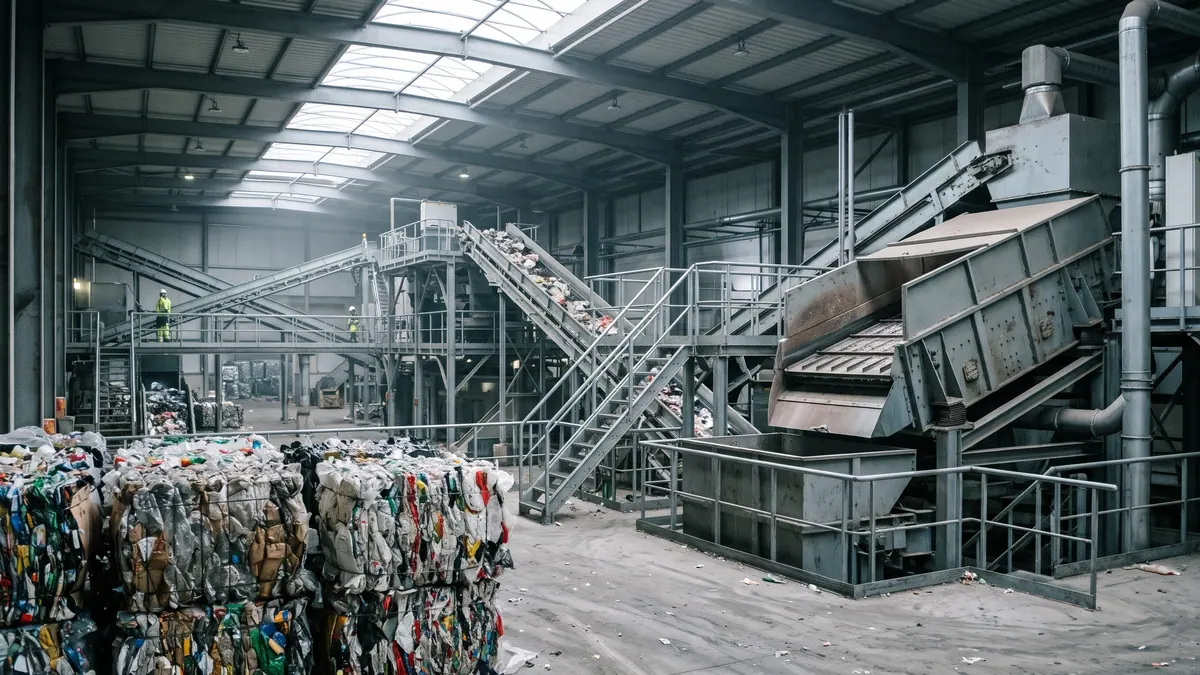
On Saturday morning, 10 August 2024, after torrential rain, the Kiteezi landfill on the outskirts of Kampala, the capital of Uganda, collapsed; according to reports, by Sunday 11 August the number of fatalities had risen to at least 23. The first announcements by the Kampala Capital City Authority (KCCA) spoke of eight dead, including two children, and fourteen rescued.
What happened
KCCA, which manages the landfill, spoke of a "structural failure" of the waste mass, as a result of which part of the landfill collapsed, and local media wrote of houses, people and animals buried after the torrential rain. AFP and Daily Monitor report that the landfill covers about 14 ha, was established in 1996 and receives all the waste collected in Kampala, about 1.2 thousand tonnes a day. Its manager Vincent Mbaizireki said it is filled to the limit. On Sunday President Yoweri Museveni ordered an investigation and financial assistance for the victims' families, and the Inspectorate of Government (IGG) began an inquiry. Erias Lukwago, Lord Mayor of Kampala, warned in January 2024 about health hazards around the landfill and called the situation a "national crisis".
Why such events are possible
A landfill that grows above its design height has steep slopes and large quantities of wet organic waste, and rainwater increases the weight of the mass and reduces its strength. The lack of a leachate drainage and degassing system favours the accumulation of water and gas in the body of the landfill. In many cities of Sub-Saharan Africa most waste goes to uncontrolled dumps (see Waste and methane in Sub-Saharan Africa).
The role of segregation and degassing
Separating the organic fraction and directing it to composting or digestion reduces the amount of wet waste at the landfill and limits the formation of landfill gas. Degassing of landfills, that is, collecting methane through wells and flaring it or using it for energy, in turn reduces the risk of fires and explosions and greenhouse gas emissions. We discuss degassing obligations under Polish law in the article Landfill gas: formation, composition and degassing obligations. There is no information in the sources that such an installation operated at Kiteezi.
What next
The most important questions concern the results of the investigation, responsibility for supervision of the landfill and plans for the waste pickers, who lose their source of income. The event is a reminder that landfill safety is not only an environmental matter but also a matter of human life.
Sources
Questions and answers
How is the risk of landfill slope failures related to biogas?
Organic waste decomposes anaerobically in a landfill, producing landfill gas containing methane. The lack of gas extraction and unstable slopes increase the risk of fires, explosions and landslides.
Related articles