Waste and circular economyAnalysis
No shortage of ideas for landfills: landfill gas, sorting, composting and thermal treatment
Jardim Gramacho in Rio de Janeiro, composting in San Francisco and the Amager Bakke incinerator show that landfills and waste can be turned into energy and raw materials. We check the facts and the limitations.
Other language versions: polski.
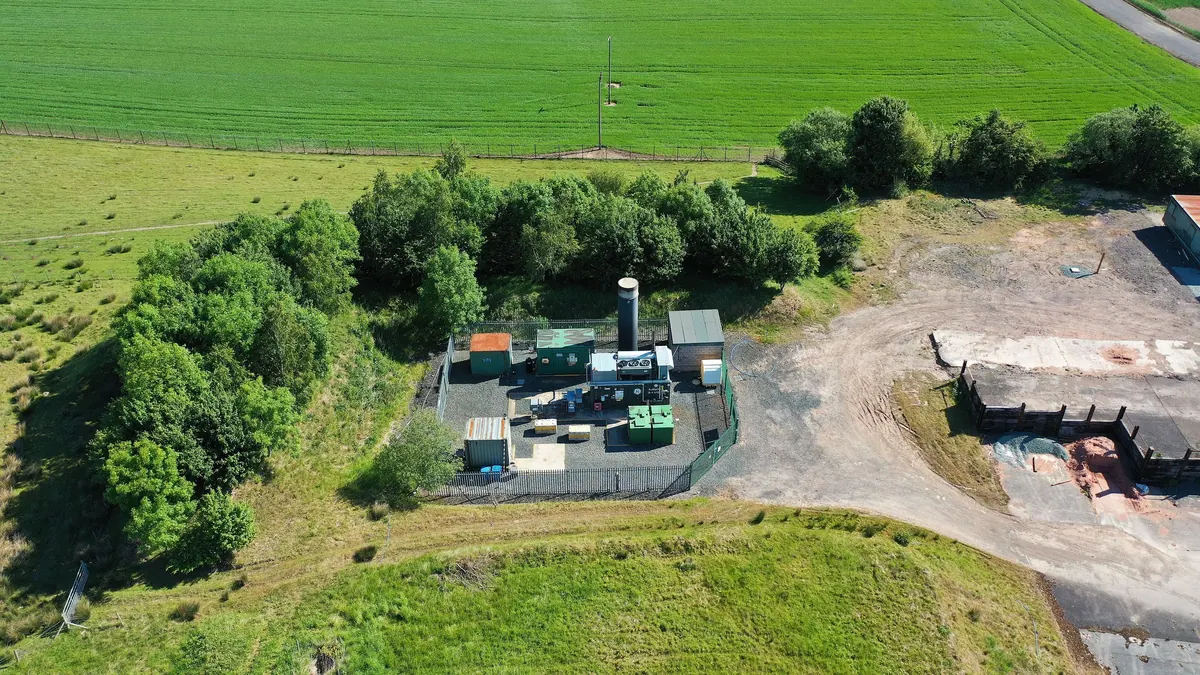
Landfills are ceasing to be solely a place of disposal: landfill gas can be captured, bio-waste composted or fermented, and residual waste thermally treated, as examples from Rio de Janeiro, San Francisco and Copenhagen show. Not every account circulating in publications is accurate, however, so below we verify the facts.
Jardim Gramacho in Rio de Janeiro
Jardim Gramacho operated from 1978 until its closure in 2012 and was the largest landfill in Latin America; it received more than 3 million t of waste a year. The landfill gas recovery project (financed under the Clean Development Mechanism) was carried out by the company Novo Gramacho Energia Ambiental in cooperation with the municipal company COMLURB. According to the project documentation, the gas was to be cleaned and injected into the gas network at Petrobras's REDUC refinery (a pipeline of about 6 km); one study gives a 20-year contract and supplies in the order of 75 million m³ a year. A Global Methane Initiative poster estimates the emission reduction at about 21 million m³ of methane a year, that is about 300 thousand t CO₂e. We did not, however, confirm the frequently repeated claims about electricity production for the surrounding districts or about the conversion of the site into a city park; information on the status after 2012 requires separate verification.
Sorting as the foundation
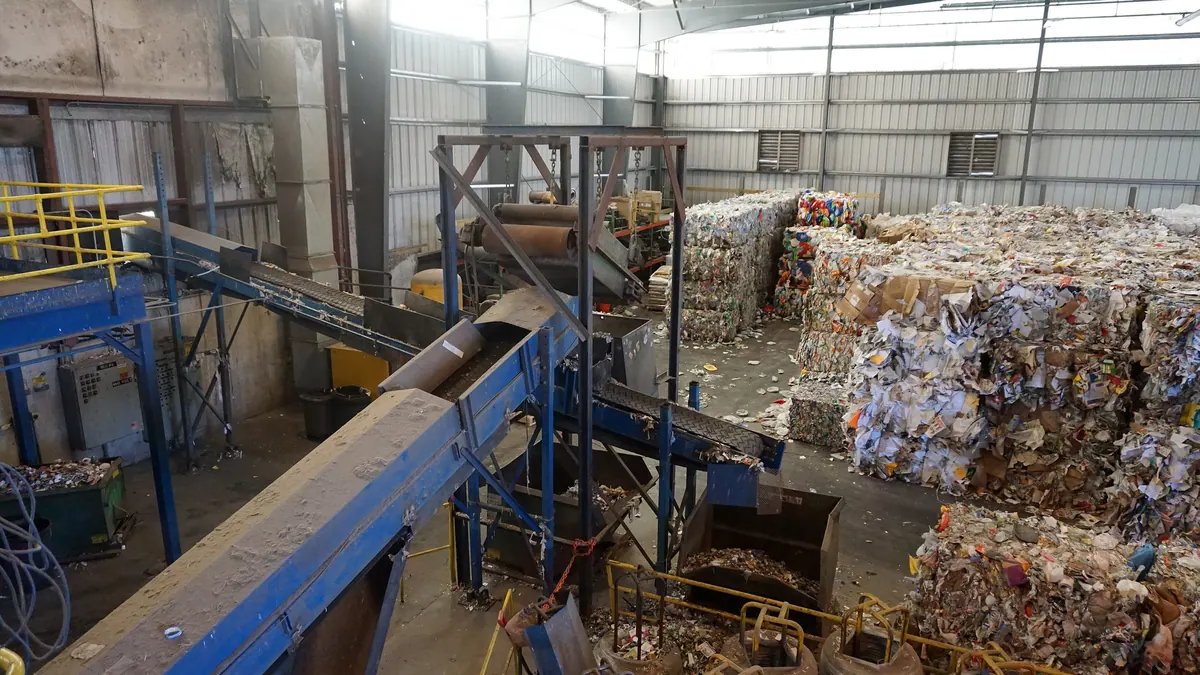
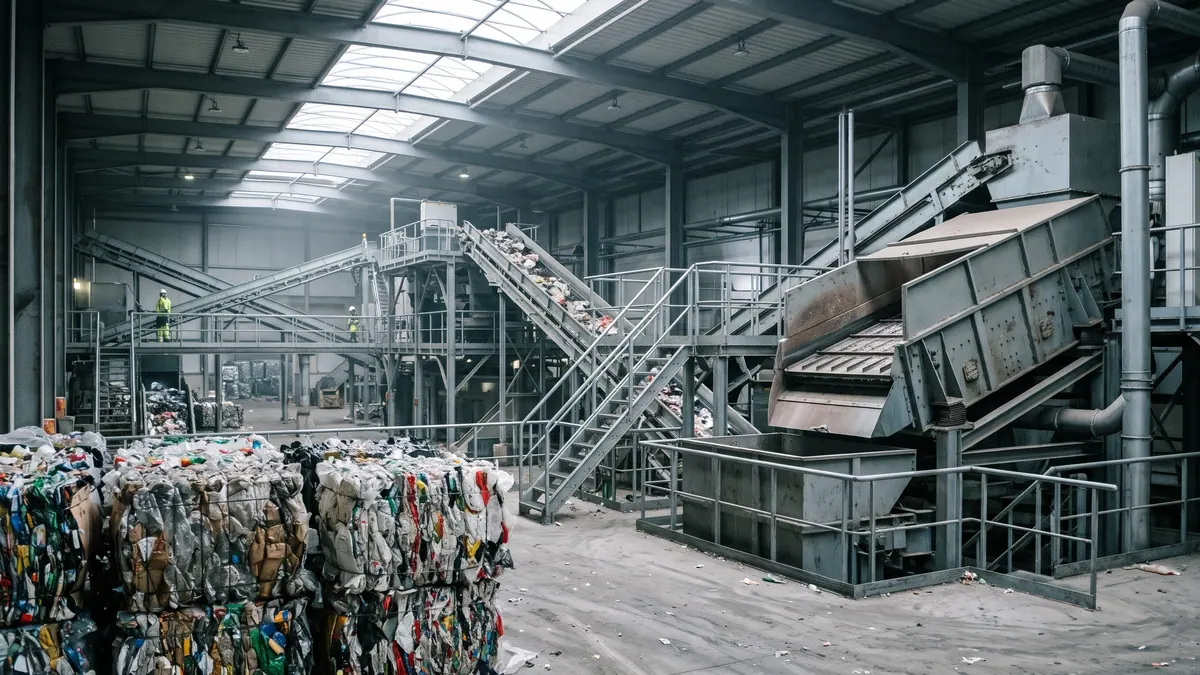
Modern sorting plants use optical sensors, magnetic separators and conveyors to separate plastics, metals, glass and paper. Recycling aluminium requires about 5% of the energy needed for production from bauxite, and glass can be remelted repeatedly without loss of quality. Effectiveness depends, however, on the quality of separate collection: contaminated materials reduce the value of the secondary raw material. The level of ambition in the EU recycling targets is a model (Recycling and landfilling rates).
Composting: San Francisco
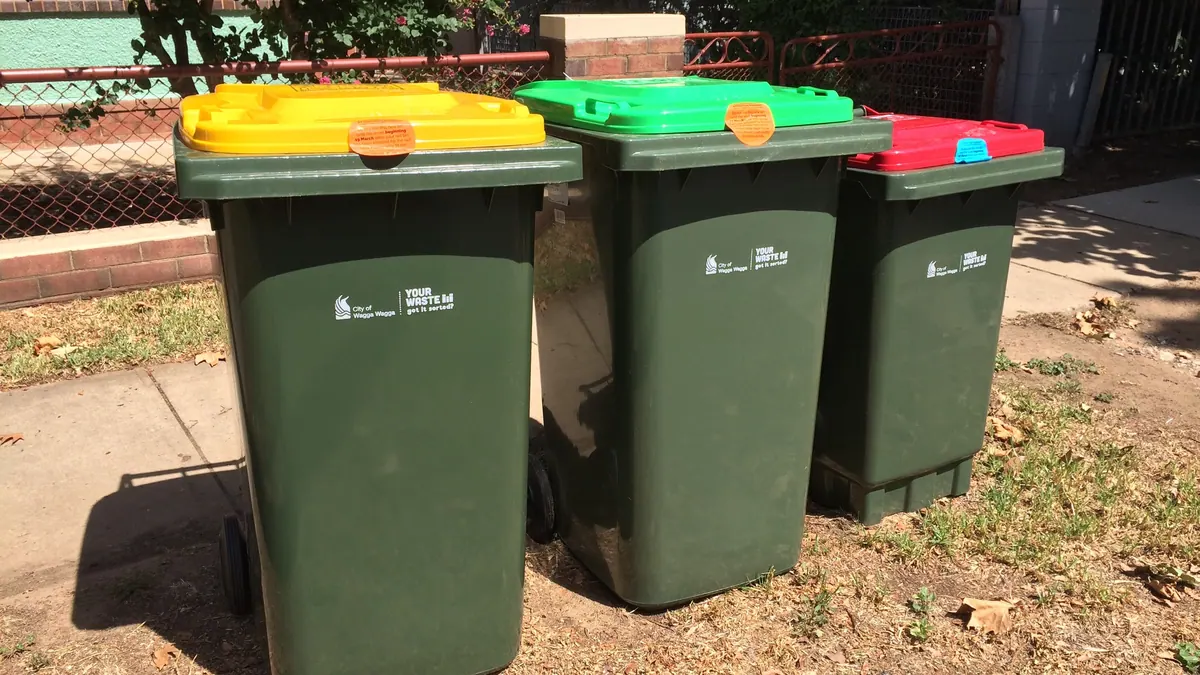
In 2009 San Francisco introduced rules requiring residents and businesses to separate waste into three streams: recycling, compost and residual waste. The city claims to divert about 80% of waste from landfill, one of the highest rates in the world (the value comes from the city's announcements). Compost improves soil structure and water retention, and diverting bio-waste from landfills reduces methane emissions. In Poland the comparison of composting and fermentation is described in the article Composting or fermentation of bio-waste.
Thermal treatment
Modern incinerators reduce the volume of waste by about 90% and its mass by around 70–80%, producing electricity and district heat, provided flue gas cleaning is effective. The Amager Bakke (ARC) facility in Copenhagen was designed as an urban landmark, with a year-round ski slope on the roof (CopenHill). Sweden is a leader in the use of this technology: less than 1% of municipal waste goes to landfill there. In Poland the state and legal environment of thermal treatment are described in the article Thermal treatment facilities for municipal waste (ITPOK) in Poland.
Education and public engagement
No technology can replace residents' habits. Educational programmes, transparency towards residents (what happens to waste after it is thrown away), collection schedules in apps and reports on recycling results build trust and motivation to separate waste.
Conclusions
- Landfill gas should be captured during operation and after the landfill is closed (Landfill gas: degassing obligations).
- Examples from abroad are an inspiration, not a ready-made recipe; they need to be adapted to local regulations, costs and infrastructure.
- A system, not a technology: the best results are achieved by cities that combine separation, composting or fermentation, recycling and energy recovery.
What this means for Polish landfills
In Poland, municipal waste landfills are obliged to manage landfill gas, and a growing number of them direct it to cogeneration (Landfill gas in cogeneration). Rising landfill fees and EU targets increase the importance of separate collection and bio-waste processing. Foreign examples should therefore be treated as inspiration for one's own projects, taking into account local regulations and funding.
None of the solutions described is universal: the choice is determined by the composition of the waste, access to buyers of energy and raw materials, and the stability of funding.
Sources
Questions and answers
What happened to the gas from the Jardim Gramacho landfill?
According to the project documents, the landfill gas was to be cleaned and delivered by pipeline to the REDUC refinery; we found no confirmation of current operation after the landfill closed in 2012.