Waste and circular economyEvent
New Zealand: landfill levy of NZD 60 per tonne from 1 July 2024
From 1 July 2024 the levy for disposing of municipal waste in New Zealand is NZD 60 per tonne, after a four-year increase of the rate from NZD 10 in 2009 and an extension of the levy's scope.
Other language versions: polski.
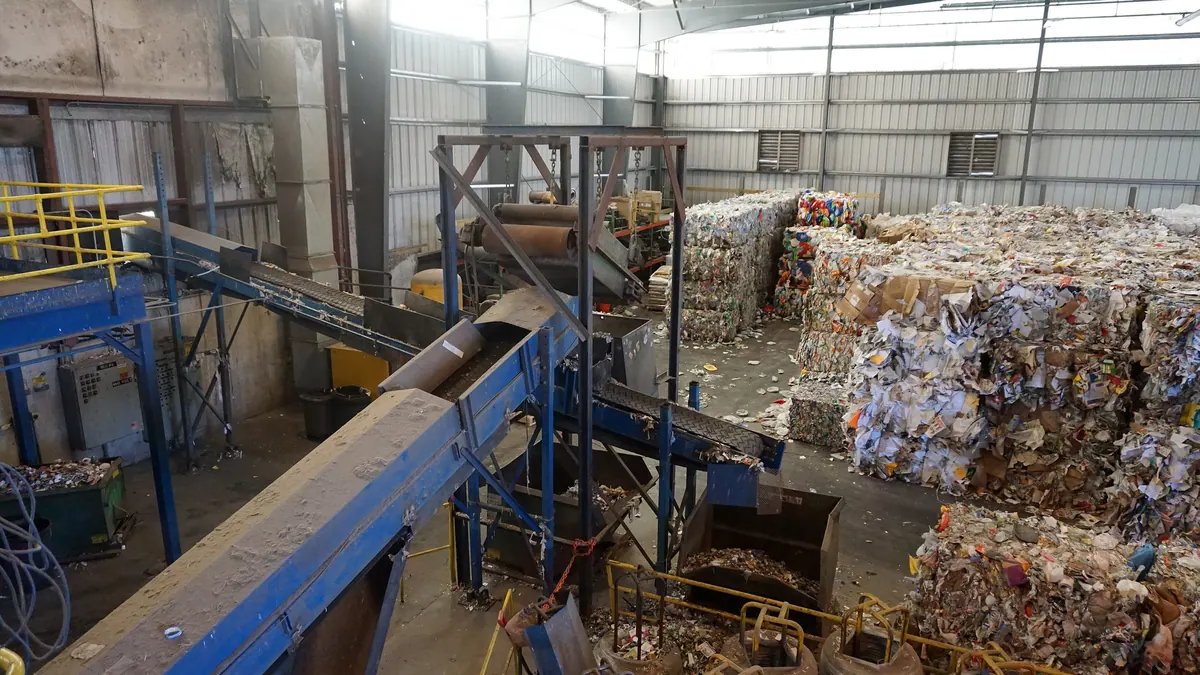

From 1 July 2024 a levy of 60 New Zealand dollars per tonne of waste disposed of at municipal landfills applies in New Zealand. The rate is the result of a four-year schedule of increases begun in July 2021. The levy was introduced in 2009 under the Waste Minimisation Act 2008 and was initially NZD 10 per tonne.
The increase and the wider scope
Before 2021 the levy covered mainly municipal landfills (Class 1). The reform extended it to other classes of landfill, including construction and demolition landfills, for which the rate was to reach NZD 30/t in 2024. According to the Ministry for the Environment, the rate for municipal landfills (class 1) was NZD 20/t from July 2021, NZD 30/t from July 2022, NZD 50/t from July 2023, and NZD 60/t from July 2024. The rates are set by regulations, not by amending the act.
Other classes of landfill
For construction and demolition landfills (class 2) the levy started at NZD 20/t in July 2022 and rose to NZD 30/t in 2024. For class 3 and 4 landfills (contaminated soils and controlled fill) the rate was NZD 10/t from July 2023. The rates are set by regulations, and the schedule included successive years of increases known in advance.
Where the revenue goes
The levy does not go to the general budget. After administrative costs, part of the funds supports local authorities, and the rest goes to the Waste Minimisation Fund, from which recycling and recovery infrastructure projects are financed, e.g. organic waste processing capacity.
Link with organic waste and methane
A higher levy increases the competitiveness of processing food waste in composting plants and biogas plants. Combined with the 2023 waste strategy, it creates the economics for facilities such as Ecogas in Reporoa. An obligation to collect food waste from 2030 is planned (see the update note). Landfills also participate in the ETS, which additionally rewards methane capture.
What this means for Poland
Poland applies environmental charges for landfilling and the BDO system (the national database of products, packaging and waste management). The New Zealand schedule is an example of a simple, predictable instrument: four years of rates known in advance allow investors in processing facilities to assess the profitability of a project. Such predictability is often more important than the level of the rate itself.
Sources
Related articles