Waste-to-energyEvent
New Zealand: consultation on options to reduce emissions from organic waste (2026)
From 12 June to 12 July 2026 the New Zealand environment ministry is consulting on options to reduce emissions from organic waste; of 41 class 1 landfills only 18 have gas capture.
Other language versions: polski.
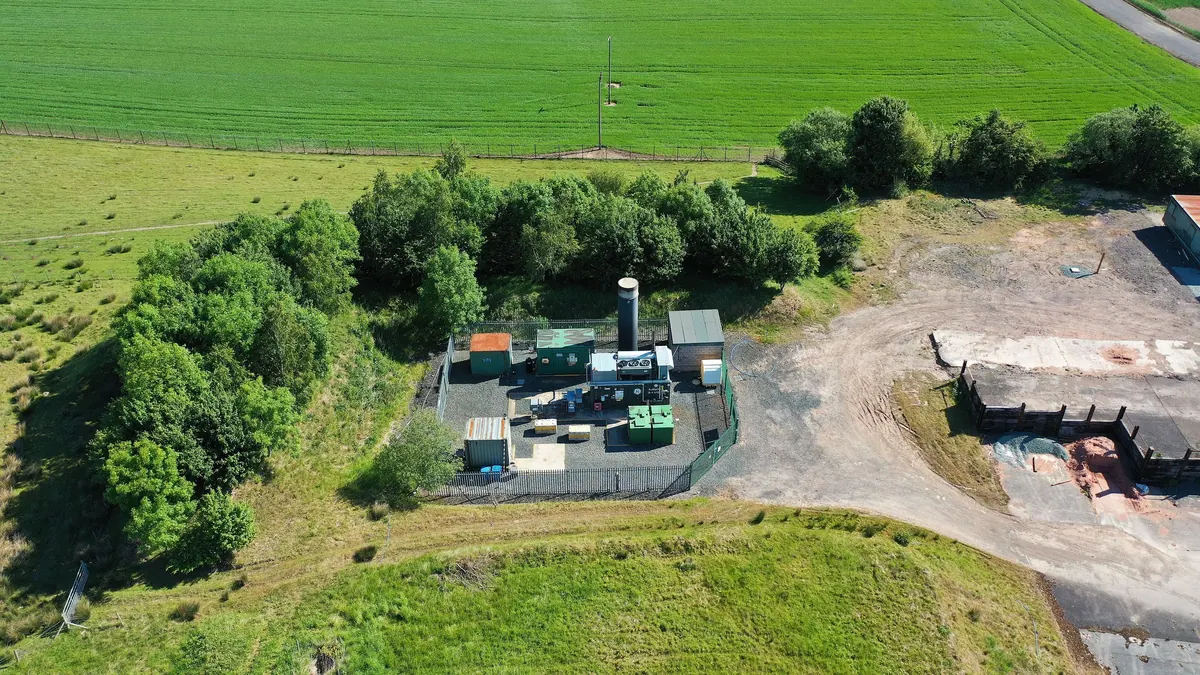

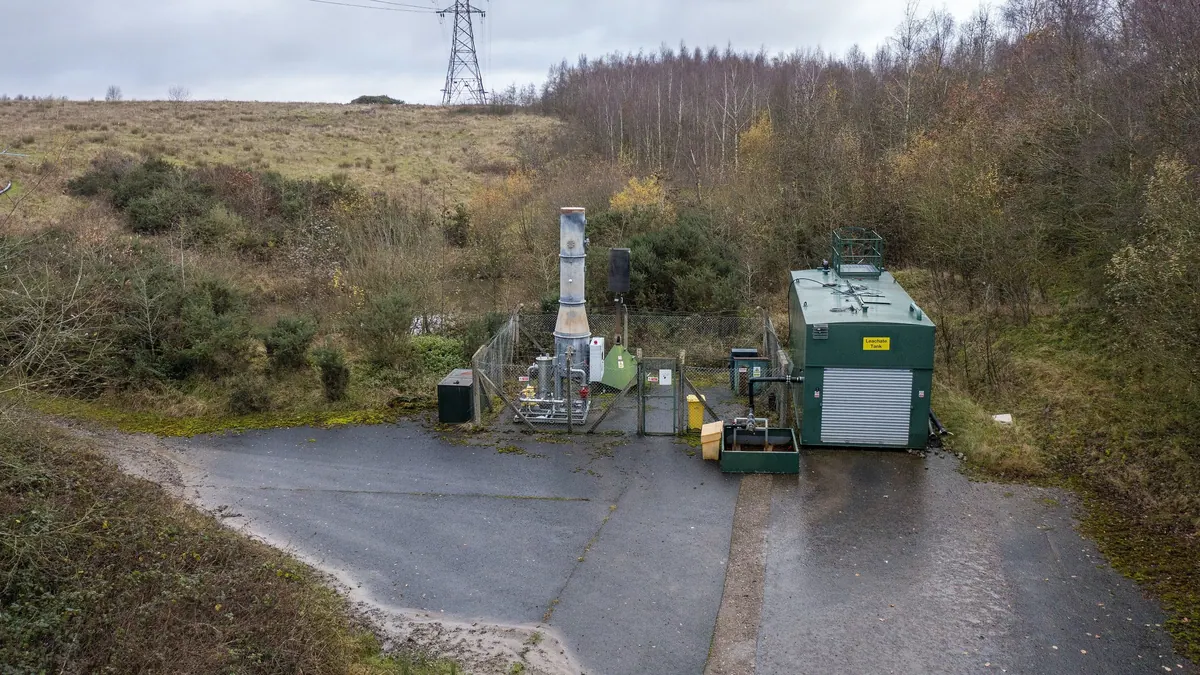
The New Zealand ministry responsible for the environment (the Ministry for Cities, Environment, Regions and Transport, MCERT) is running, from 12 June to 12 July 2026, the consultation “Have your say on options to reduce emissions from organic waste”, part of the work on the second emissions reduction plan (ERP2). The consultation documents show that of 41 open class 1 landfills registered in the landfill levy system, 18 have landfill gas capture installed, and that organics make up 42.7% of waste going to class 1 landfills. A separate ministry note lists 18 operating class 1 landfills with gas capture and nine closed landfills that, for economic reasons, still operate it.
Course of the consultation
The consultation asked about experiences and needs in managing organic waste, the feasibility of the options and where the greatest reductions can be achieved. The sector document (the Sector Feedback Document) presents potential measures; its part B concerns increasing the coverage of landfill gas capture. The information gathered in the consultation will be used to select measures for further development, and the decisions will span several ministerial portfolios.
Why it matters
Organic waste in landfills is a significant source of methane in New Zealand's waste sector. Landfill gas capture is usually one of the cheapest methods of reducing emissions, because the gas can be flared or used to produce energy. In New Zealand the incentive is the ETS, in which landfills bear emissions costs, and captured and destroyed methane reduces their liabilities.
Links with the waste strategy
The consultation fits into the 2023 waste policy; however, the government paused the mandatory food waste collection in cities by 2030 in December 2024, leaving support for willing councils from the Waste Minimisation Fund. The larger the share of organics collected separately and processed in composting plants or biogas plants, the less capture at landfills matters – but in the transition period both actions are needed.
What this means for Poland
In the EU landfills are obliged to collect and use the gas, so a similar regulatory gap does not exist; the challenge is instead the effectiveness of capture and old, closed sites. The New Zealand example shows the importance of a reporting system: without an obligation to report whether installations are operating, the regulator has no data to assess the effectiveness of the policy.
Sources
Related articles