Bovaer in New Zealand: EPA approves 3-NOP, but the additive awaits further approvals
On 31 July 2023 the New Zealand EPA approved (announcement of 10 August) the import and manufacture of 3-NOP, the active substance in Bovaer, which according to the manufacturer cuts methane in cows by about 30%; approval under the ACVM regime is still needed for use on farms.
Other language versions: polski.
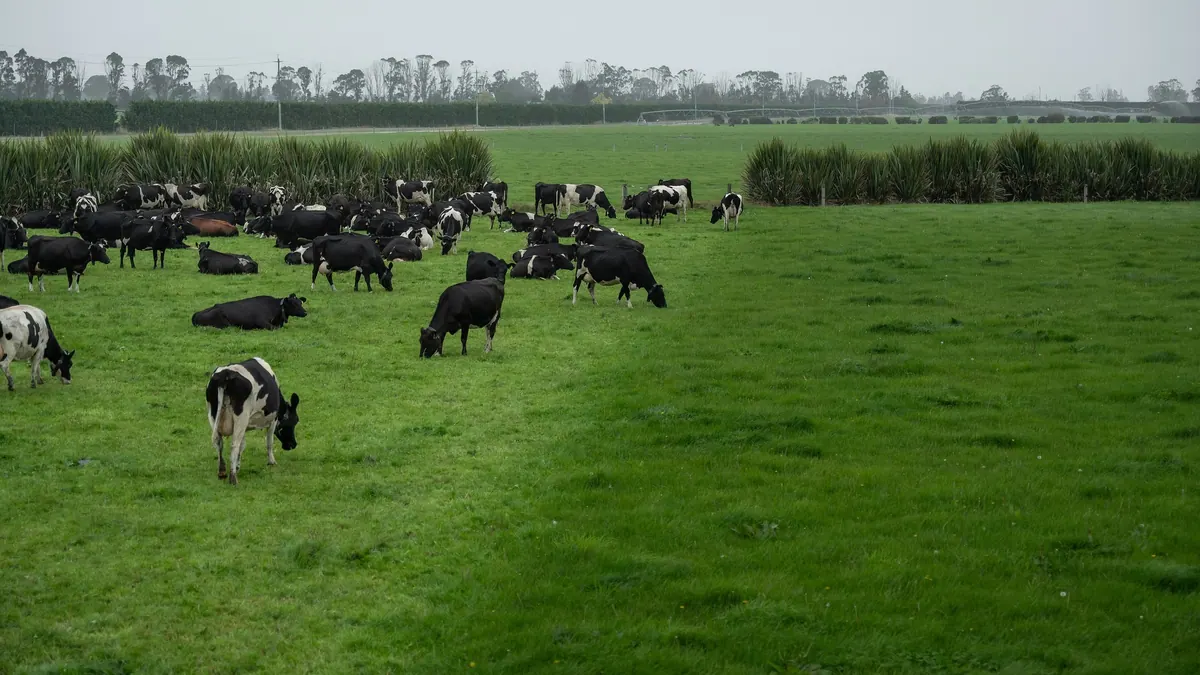

The New Zealand Environmental Protection Authority (EPA) approved on 31 July 2023 (announcement of 10 August) the application by DSM to import and manufacture 3-nitrooxypropanol (3-NOP) – the active substance of the feed additive Bovaer, which is meant to reduce methane emissions from enteric fermentation in ruminants. This was the first approval of a methane inhibitor in New Zealand. It concerns a substance containing 10–25% 3-NOP; lower concentrations and some formulations may require separate approvals. Before the product could be introduced to farms, approval was still needed under the Agricultural Compounds and Veterinary Medicines (ACVM) Act, for which the Ministry for Primary Industries (MPI) is responsible.
How the additive works
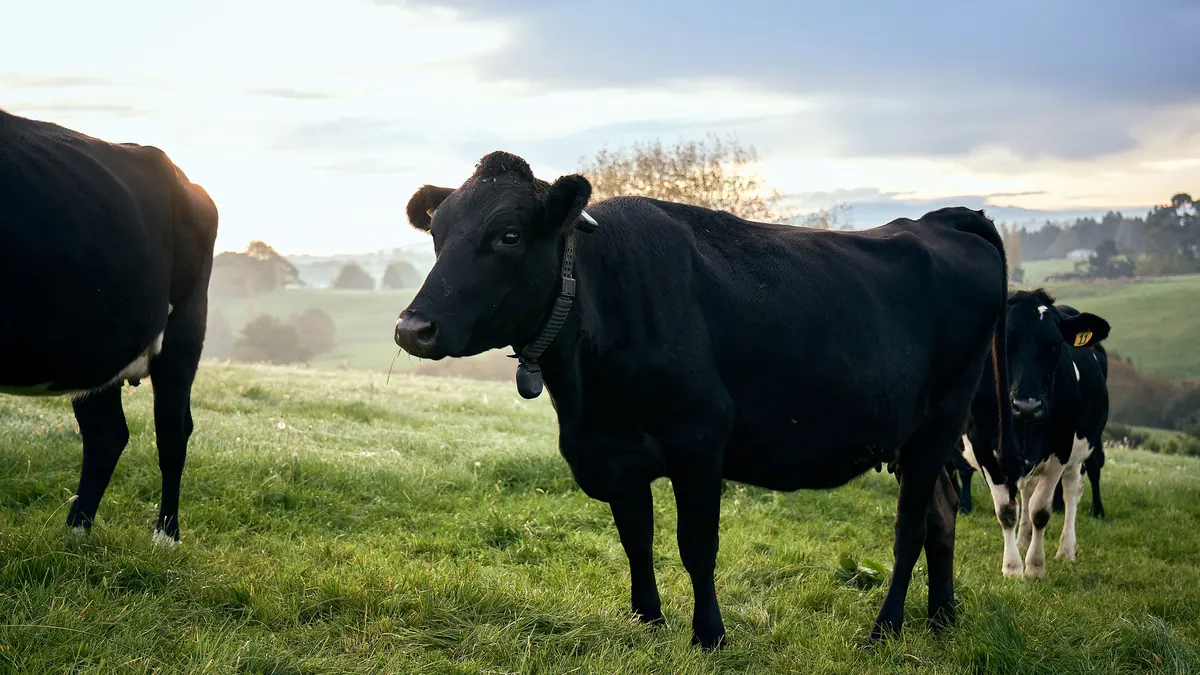
3-NOP inhibits an enzyme involved in the last step of methane formation in the rumen. According to the manufacturer (DSM) it reduces methane emissions in ruminants by about 30%. In New Zealand, where cows feed mainly on pastures, the ACVM guidelines for inhibitors expect trials under grazing conditions, and treat foreign data as supporting.
The regulatory path
The EPA received the application in February 2021; in August 2021 DSM put it on hold while it supplemented data on a lower hazard classification. After the EPA approval, the stage for veterinary and feed products remained, and it had not started.
Why this matters for biogas
Methane from enteric fermentation is the largest single source of New Zealand's agricultural emissions and cannot be collected in a biogas plant – unlike methane from manure. Feed additives are therefore complementary to biogas: the former reduce emissions in the animals, the latter from the manure. Politically it is significant that a country without agricultural emissions pricing has to rely on technologies whose adoption is voluntary.
What this means for Poland
In the EU the 3-NOP additive has been approved since 2022. For Polish dairy cattle farmers it is an option whose profitability depends on the feeding system (dose control is required) and on prices. For agricultural biogas plants it matters that lower enteric emissions do not change the amount of manure, so the feedstock for digestion remains the same.
Sources
Related articles