New Zealand: the Zero Carbon Act and a separate target for biogenic methane
In November 2019 New Zealand passed the Zero Carbon Act with a separate target for biogenic methane: −10% by 2030 and −24–47% by 2050 relative to 2017.
Other language versions: polski.
New Zealand passed in November 2019 the Climate Change Response (Zero Carbon) Amendment Act, which treats biogenic methane as a separate category of climate target. The bill passed its third reading on 7 November, and the act received royal assent on 13 November 2019. For all greenhouse gases other than biogenic methane the country committed to net zero emissions by 2050, whereas biogenic methane has a separate pathway: a reduction of 10% by 2030 and of 24–47% by 2050 relative to the 2017 level.
Why methane is set apart
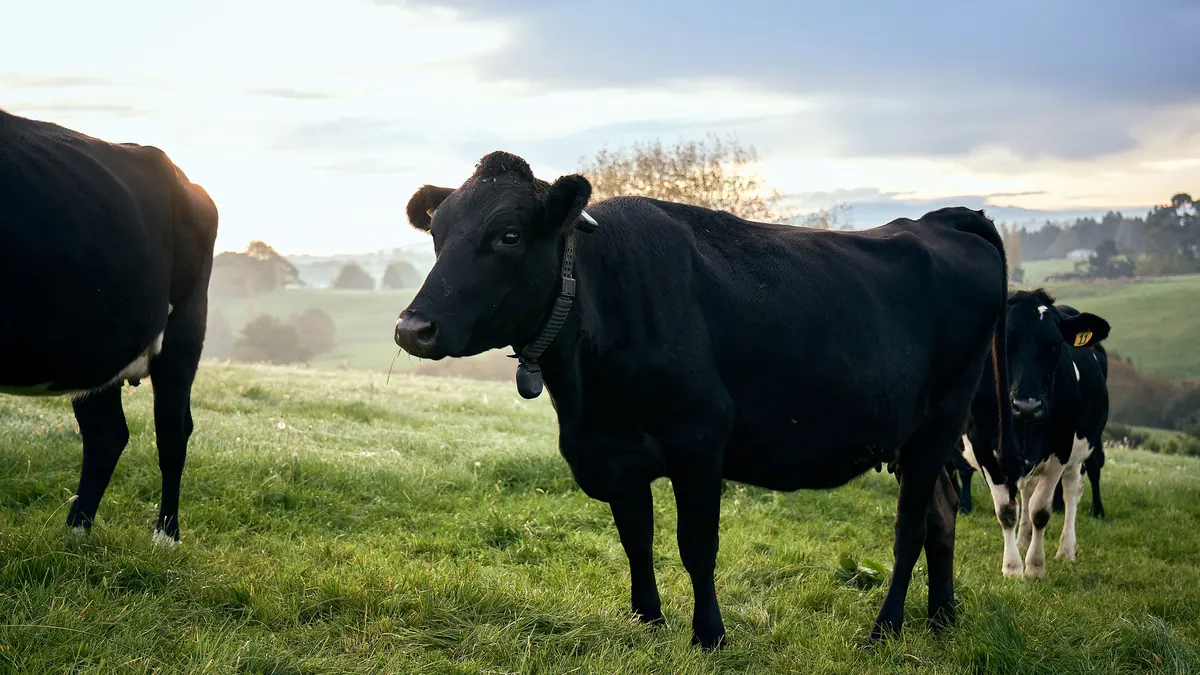
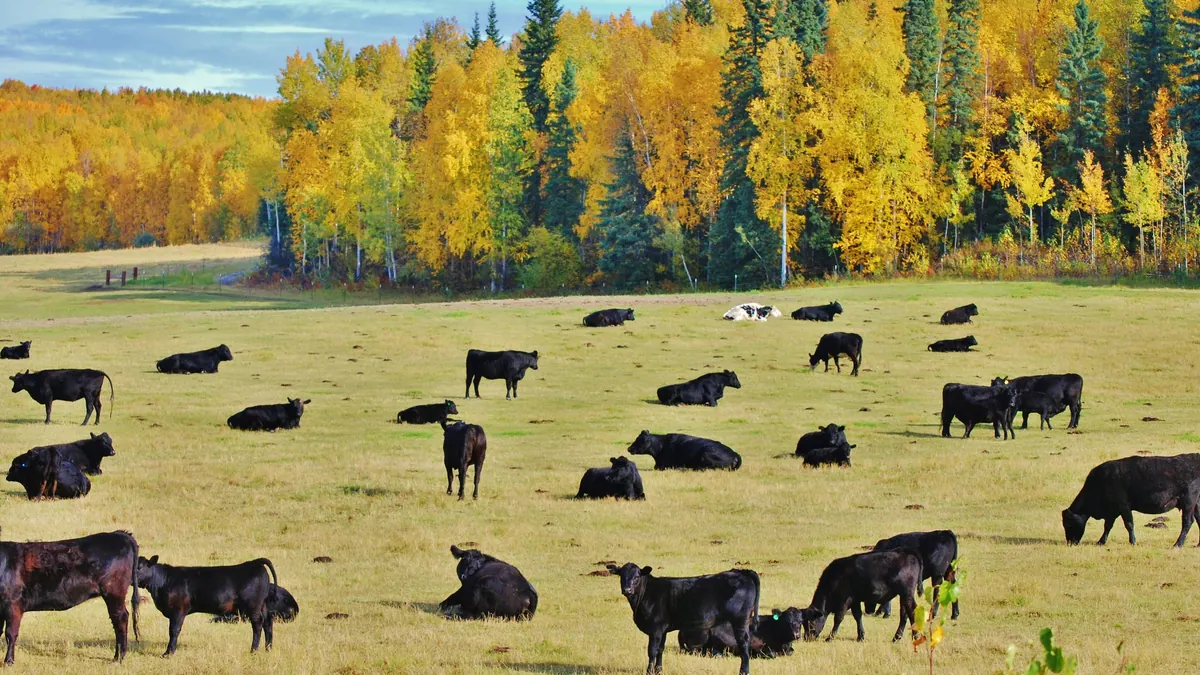
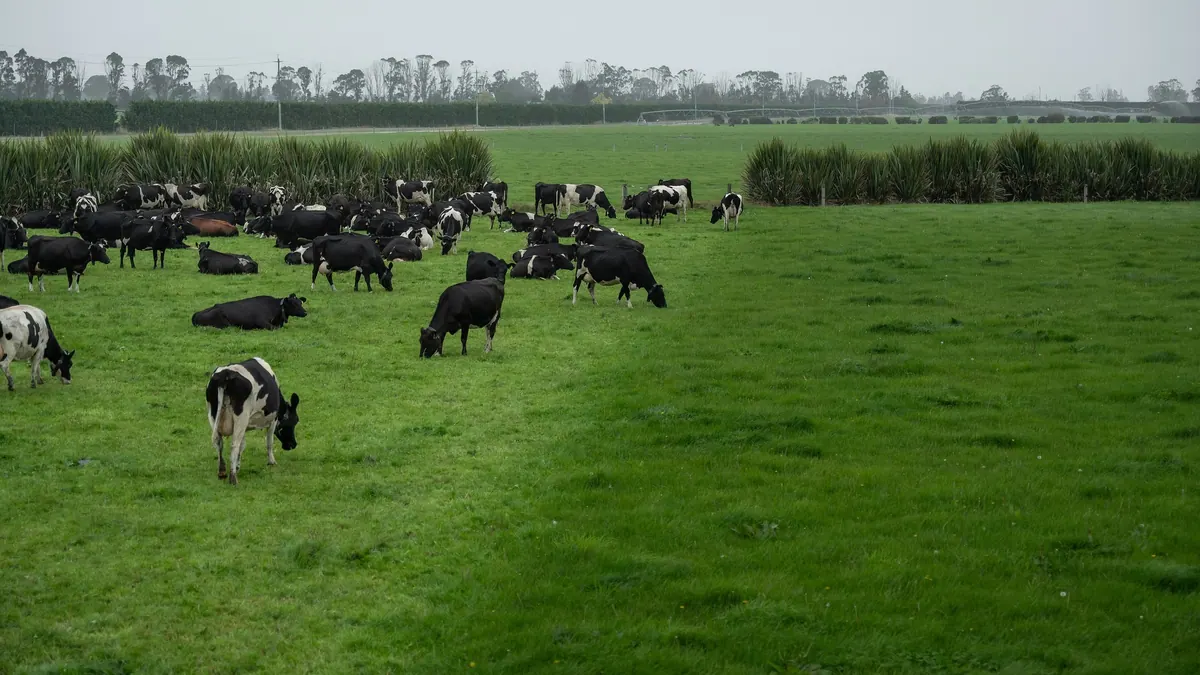
New Zealand's emissions structure is atypical for a developed country. A huge share comes from agricultural emissions, among them methane from the enteric fermentation of cattle and sheep and from manure management. A common “net zero” target for all gases would have meant that the agricultural sector would either have had to cut production drastically or be offset entirely by forestry. The legislator therefore chose an intermediate solution: a separate, less stringent target for biogenic methane, which is to be verified scientifically and can be reviewed.
The scientific argument here is real: methane has an atmospheric lifetime of the order of a decade, and CO₂ of hundreds of years. Stabilising methane emissions therefore has a different temperature effect than stabilising CO₂.
What else the act introduced
- The establishment of an independent Climate Change Commission, which prepares recommendations on emissions budgets and monitors progress.
- A system of five-year emissions budgets and emissions reduction plans adopted by the government.
- An obligation to review the biogenic methane target periodically in the light of new scientific evidence.
Why this matters for the biogas sector
Biogenic methane is not only cattle. This category also includes emissions from organic waste in landfills and from wastewater, so the statutory target also concerns waste management and potentially biogas plants.
What this means for Poland and Europe
New Zealand's experience shows that methane targets can be designed by sector. In the EU a similar logic is visible in the separate discussion about agriculture, where biogenic methane is not covered by the common emissions trading system. For Polish agricultural biogas plants the conclusion is that policy may change the scope of sectors' responsibility over time, so it is worth building projects that pay off independently of a single act.