Australia joins the Global Methane Pledge
In October 2022 the Australian government announced that it was joining the Global Methane Pledge, a target of cutting methane emissions by 30% by 2030, with no taxes or charges on livestock farming.
Other language versions: polski.
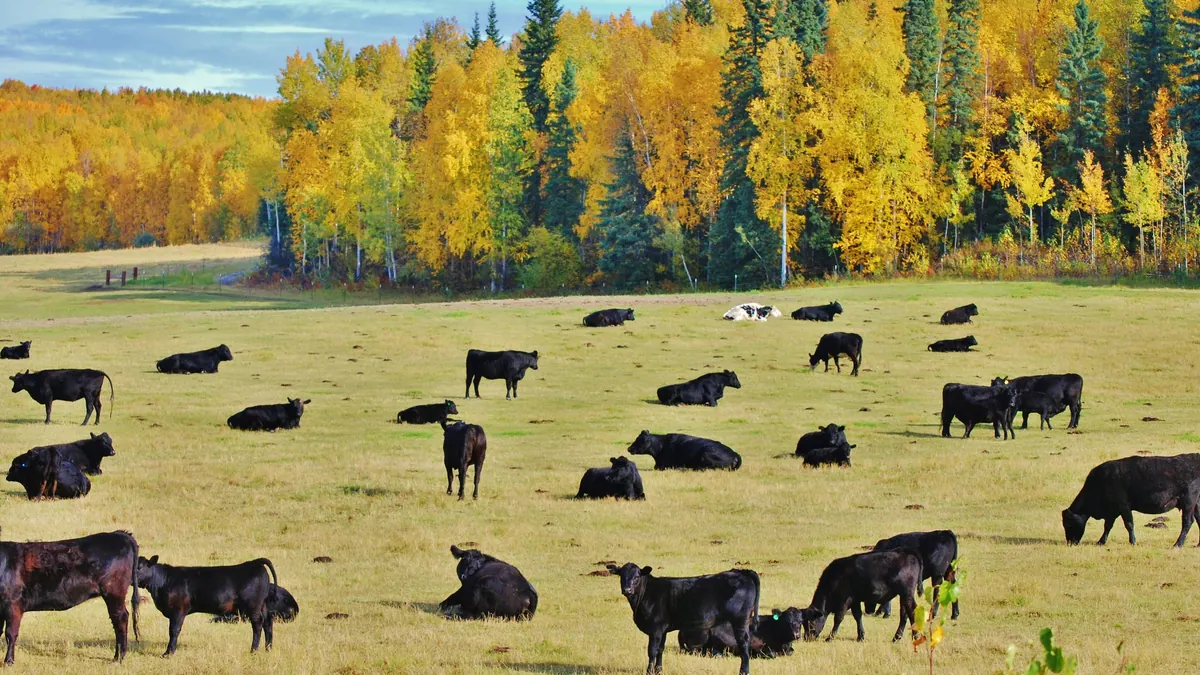

Australia joined on 23 October 2022 the Global Methane Pledge – an international commitment to reduce global methane emissions by at least 30% by 2030 relative to the 2020 level. The decision was announced by the Minister for Climate Change and Energy, Chris Bowen, who at the same time stressed that the government does not intend to introduce taxes or charges on emissions from livestock farming.
What joining means
The Global Methane Pledge was proposed in 2021 during the COP26 climate summit as an initiative led by the USA and the European Union. It is a political declaration, not a binding international agreement: participating countries commit to a shared collective goal. Bowen stressed that the global commitment does not require Australia to cut its own methane emissions by 30%. The previous Australian government did not join the pact in 2021.
The government's arguments
Bowen said that methane accounts for 24% of Australia's emissions and that the country is the 11th largest methane emitter in the world. According to Reuters, the declaration is voluntary, and the pact brings together more than 120 countries. The government linked joining the pact with funding: up to 3 billion AUD from the 15-billion-AUD National Reconstruction Fund was to be allocated to low-carbon technologies, component manufacturing and methane reduction in agriculture. Bowen also announced that the government would not introduce rules, taxes or charges limiting emissions from livestock farming, and that Australia – as he put it – was joining other major agricultural commodity exporters in reducing emissions in a hard-to-abate sector.
What this means for Poland and Europe
The EU is one of the leaders of the Global Methane Pledge; in December 2021 the Commission proposed a regulation on methane emissions reduction in the energy sector (oil, natural gas, coal), finally adopted in 2024 as Regulation (EU) 2024/1787; emissions from agriculture are not covered by it and remain the subject of a separate debate. The Australian example shows a division typical of countries that export agricultural products and raw materials: first a collective declaration, then a choice of sectoral instruments. For Polish agricultural biogas investors it is important that governments from outside the Union are declaring methane policies, but – as in Australia – often excluding charges on livestock farmers.
Sources
Related articles