Australia: 2035 climate target – a 62–70% reduction relative to 2005
On 18 September 2025 Prime Minister Albanese announced the 2035 target: a 62–70% emissions reduction relative to 2005. The government announced a package of more than AUD 8 billion, including a net zero fund and support for CEFC.
Other language versions: polski.

Australian Prime Minister Anthony Albanese announced on 18 September 2025 the climate target for 2035: a greenhouse gas emissions reduction of 62–70% relative to the 2005 level. The government accepted the advice of the independent Climate Change Authority (CCA), which was based on modelling by the Commonwealth Scientific and Industrial Research Organisation (CSIRO); the earlier CCA draft suggested 65–75%. The range met with criticism from climate organisations, while part of industry had expected a lower target.
The government's rationale
Minister Chris Bowen argued that the target should be ambitious but achievable, and that values above 70% are, in his view, not achievable. The wide range reflects uncertainty about the pace of technological change and the possibility of exceeding the lower bound. Australia also has a target for 2030 (43% below 2005) and climate neutrality by 2050, enshrined in the Climate Change Act of 2022.
Support package
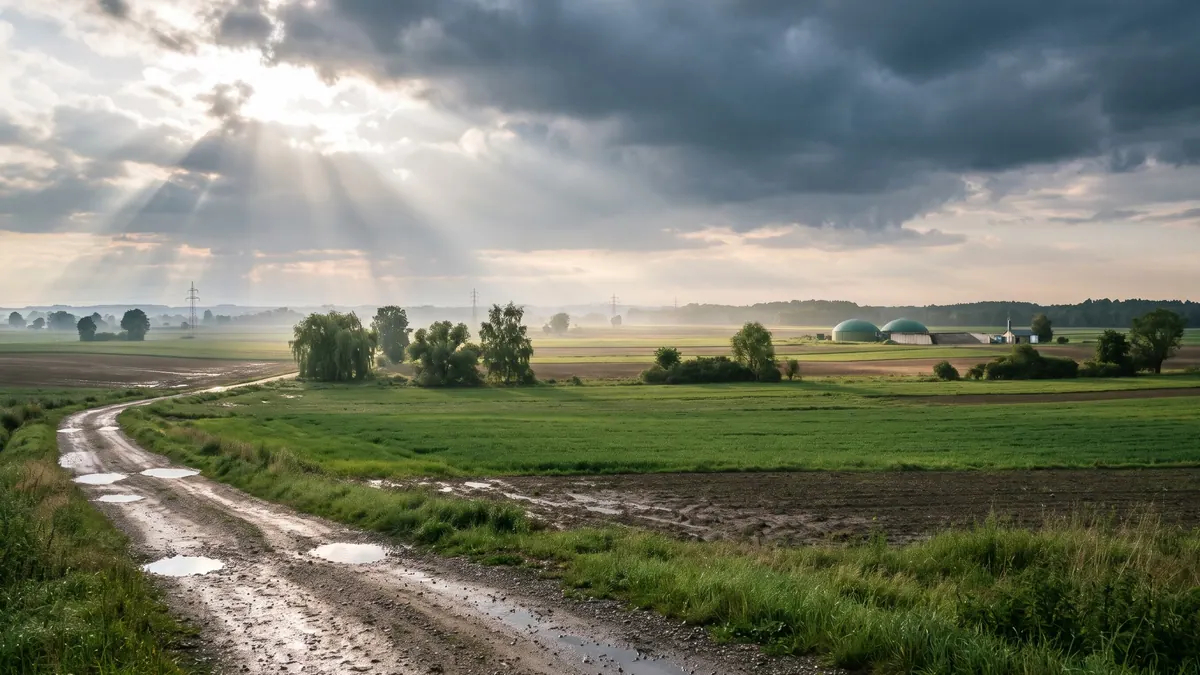
According to the Prime Minister's office, measures worth more than AUD 8 billion in total include AUD 5 billion under the Net Zero Fund in the National Reconstruction Fund (for decarbonising industrial plants), AUD 2 billion for the Clean Energy Finance Corporation (CEFC) and AUD 1.1 billion for incentives for clean fuel production. For the bioenergy sector two elements matter: the increased capital of CEFC (which has financed biogas projects) and support for renewable fuels.
Methane in the context of the target
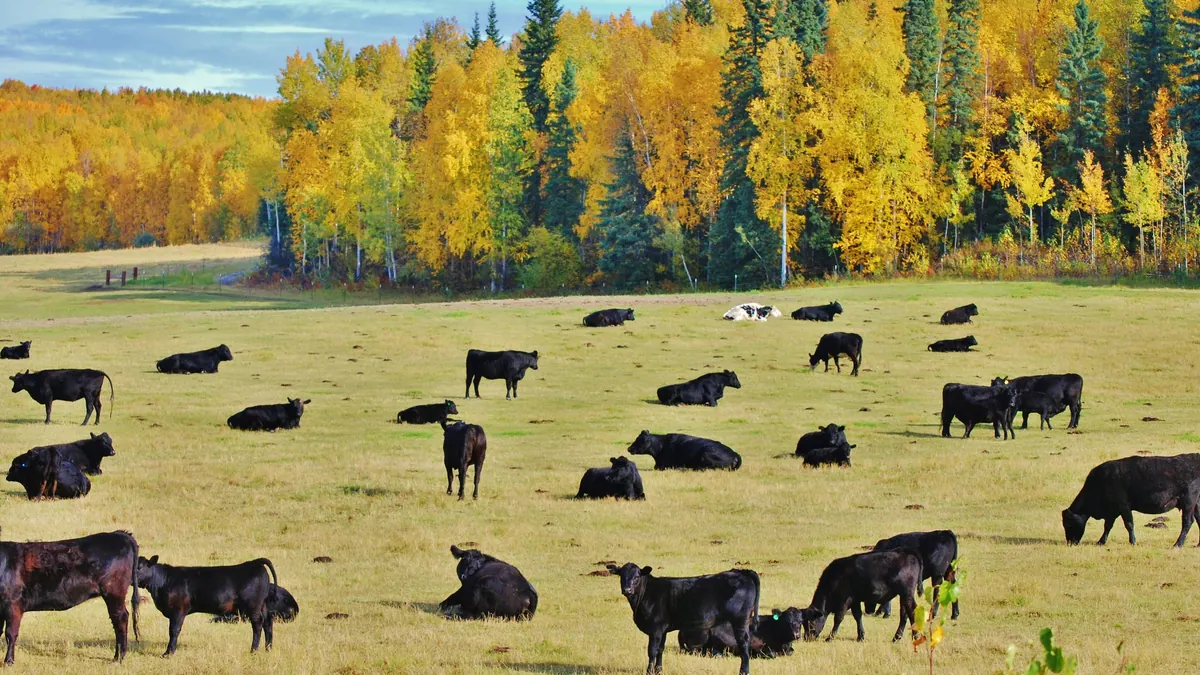
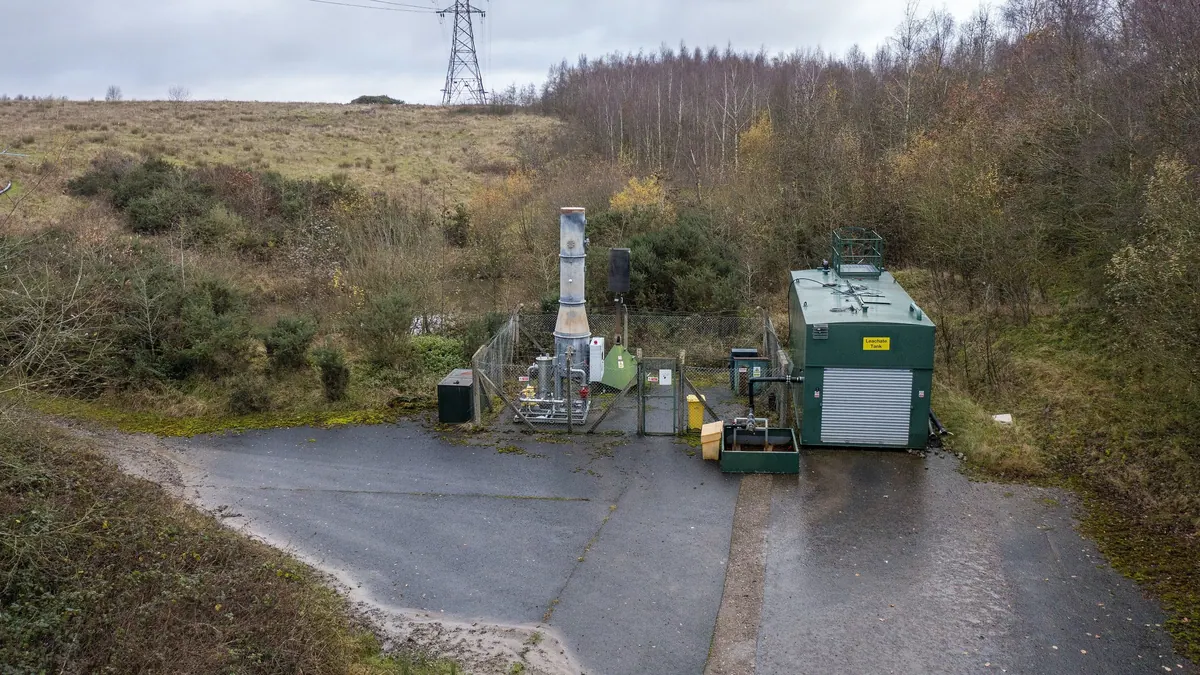
In 2022 Minister Bowen stated that methane accounts for 24% of Australia's emissions, and the government then announced that it would not burden livestock farming with taxes or charges. Methods of reducing methane that are mentioned include landfill gas capture, reducing fugitive emissions in the gas and coal sectors, and manure management.
What this means for Poland and Europe
Australia's target is comparable with the EU's (−55% by 2030 relative to 1990 and the discussed target of −90% by 2040) only when different base years are taken into account. For Polish biogas investors, the market conclusions are more significant: countries outside the EU are building demand for carbon credits, including from methane, and this affects global prices and competition for capital.