Waste-to-energyEvent
Australia: new ACCU method for landfill gas – credits only above a rising baseline
The “Reducing Methane Emissions from Landfill Gas” method (2025) under the ACCU scheme awards credits only for methane above a baseline capture level that rises by 0.5% per year; it has applied since the end of November 2025.
Other language versions: polski.
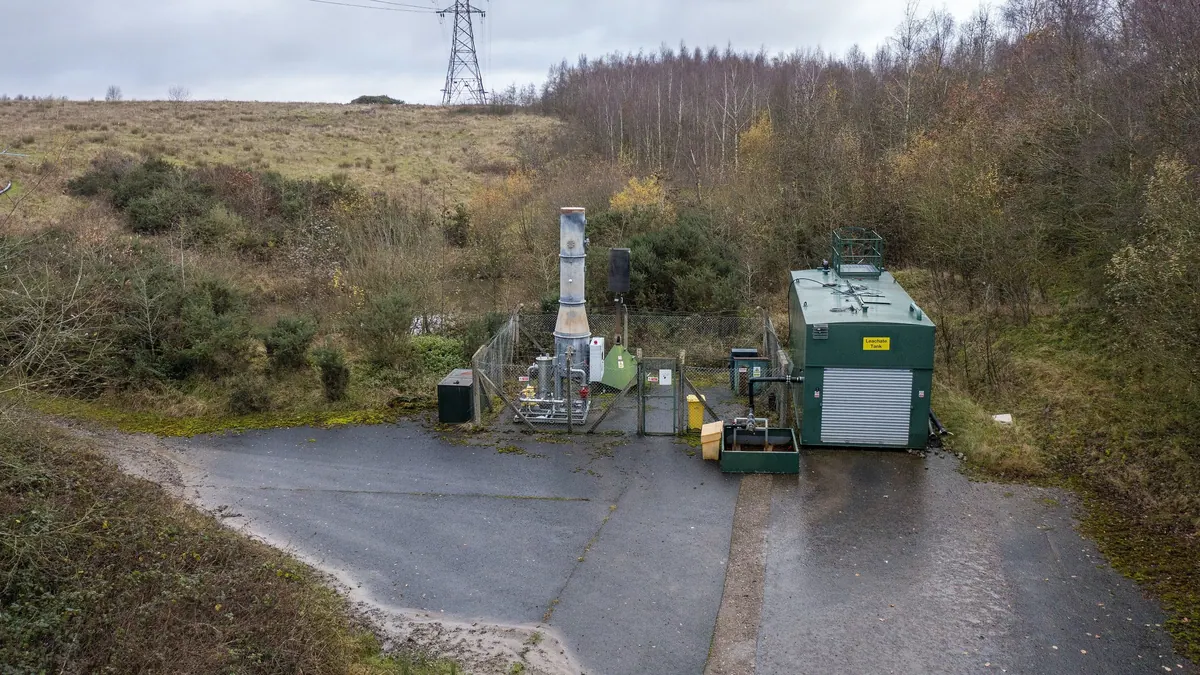
The Australian carbon credit system ACCU (Australian Carbon Credit Units) has had a new method for landfill gas since the end of November 2025 – the Carbon Credits (Carbon Farming Initiative—Reducing Methane Emissions from Landfill Gas) Methodology Determination 2025 (F2025L01430). According to the Federal Register of Legislation, its version has applied since 28 November 2025, and the Clean Energy Regulator states that the earlier method for generating energy from landfill gas was repealed on 28 November 2025 (another regulator document gives 29 November). The method implements a recommendation of the independent review of the ACCU Scheme led by Prof. Ian Chubb, who concluded that landfill gas methods should apply rising baselines.
How the baselines work
According to the department's announcement, baselines rise by 0.5% per year and are 30% for projects in which the gas is only flared, 37% for new projects generating energy and 40% for existing projects generating energy. The regulator explains that the net result is the project's reduced methane minus the methane that would have been destroyed without the project; this share is the higher of two values: the regulatory rate (arising from a state licence, advice from the environmental regulator or an independent expert) or the default baseline rate depending on the origin and status of the project. Existing projects showing continued investment may receive longer crediting periods, but must increase capture to retain their number of ACCUs.
Technical requirements
According to the Clean Energy Regulator, a project must collect and destroy methane from a landfill or upgrade landfill gas to biomethane burned in Australia as a substitute for natural gas. The destruction efficiency in the combustion device must be at least 98%, with minute-by-minute monitoring; a project covers only one landfill, and the standard crediting period is 12 years. Reports may cover periods from one month to two years, and at least three scheduled audits are carried out during the project.
Consultation and the previous method
The draft method (exposure draft) was released for public consultation on 16 May 2025, and the consultation closed on 19 June 2025. The Carbon Market Institute submitted comments in June 2025. The old landfill gas method expired on 31 March 2025.
Why the rules were changed
The problem concerned additionality: if a landfill has a capture obligation arising from a state licence, that capture is not an “additional” action relative to the law. Rising baselines are meant to cut this part off from credits and to reward improvements above the required level.
What this means for Poland
In the EU the obligation to capture landfill gas arises from the provisions of the Landfill Directive, so the “additionality” of credits is even more demanding here. In Poland landfill gas is used mainly in cogeneration, and the development of new projects is limited by the closure of landfills and the decline in the amount of biodegradable waste. The Australian example shows how a credit system can adapt to regulatory realities in which capture is already a requirement.