New Zealand: government launches a review of methane science and the 2050 target (2024)
In April 2024 the New Zealand government announced the Methane Science and Target Review: an independent panel is to assess the science on biogenic methane and indicate a target consistent with no additional warming.
Other language versions: polski.
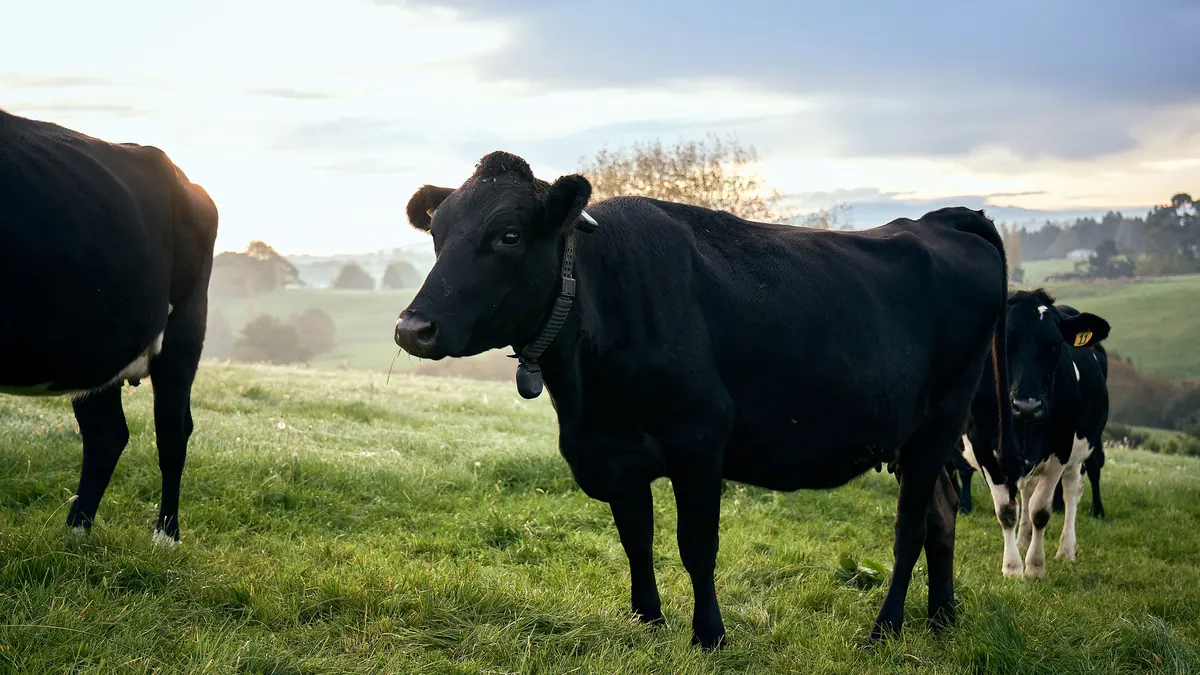
The New Zealand government announced on 6 April 2024 the Methane Science and Target Review – an independent review of the science on biogenic methane and of the climate target for that gas for 2050. The Cabinet paper “Announcing the Methane Science and Target Review” is dated 21 March 2024. Ministers Simon Watts and Todd McClay indicated that the review is to concern a target consistent with the principle of no additional warming.
Context
The Zero Carbon Act of 2019 set a separate target for biogenic methane: −10% by 2030 and −24% to −47% by 2050 relative to the 2017 level. The review was to complement the Climate Change Commission's work on the 2050 targets and help formulate the government's response to its advice in 2025. The scope of the review was limited to methane.
The panel
The panel was to be appointed as independent; Minister Watts announced that it would present scientific evidence and advice on the target to the government by the end of 2024. The composition of the panel is described in the update. Reactions were divided: Federated Farmers welcomed the review, while the Green Party criticised it.
Why it matters
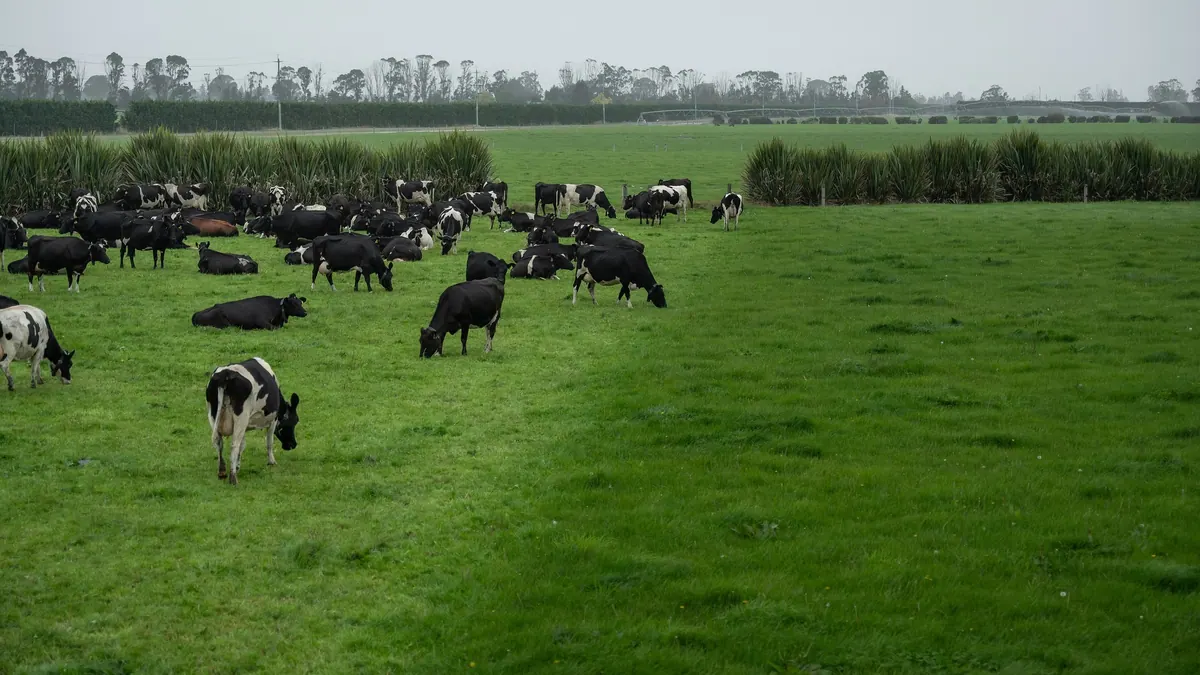
The discussion concerns a fundamental question: should targets for methane be parallel to those for CO₂, or separate, assuming only temperature stabilisation. For New Zealand, where agriculture accounts for a huge share of emissions, the answer determines the scope of the reduction effort in the dairy and meat sectors.
Consequences for biogas
A softer target for biogenic methane means less pressure to implement solutions such as covered lagoons or agricultural biogas plants. On the other hand, the waste sector (landfills) and wastewater management remain areas where methane capture is cheap and politically easy to justify.
What this means for Poland
The New Zealand debate mirrors a dispute also present in the EU: whether methane from agriculture should be regulated like CO₂ or separately. For Polish agricultural biogas plants it is a reminder that regulatory paths may change, so projects should rest also on an energy product, and not solely on climate credits.