Digestate and fertilisersEvent
Digestate in the act: notification to the inspectorate, batch documentation and a ban on application to frozen soil
The agricultural biogas plants act, published on 11 August 2023, introduces into the fertilisers act rules on digestate products: notification to WIORiN, documents, contaminant limits and penalties of up to PLN 100 thousand.
Other language versions: polski.

The act on facilitating the preparation and implementation of investments in agricultural biogas plants, published in the Journal of Laws (Dziennik Ustaw) on 11 August 2023 (Journal of Laws (Dz.U.) 2023, item 1597), introduces into the act on fertilisers and fertilisation a separate category of digestate products. The changes cover notification of the activity to the inspectorate, mandatory documents, quality checks, rules for application in the field and penalties. The act enters into force on 11 September 2023.
What is changing
The most important obligations of digestate producers are:
- Notification: to the Voivodeship Inspector of Plant Health and Seed Inspection (WIORiN) at least 14 days before first use or sale; a change of substrates must be notified at least 7 days in advance,
- Documentation and packaging: the product must be accompanied by a document with the producer's data, the form, the net mass and the declared content of nutrients and organic matter; repackaging is prohibited,
- Contaminants: the minister of agriculture will set the permitted levels in a regulation,
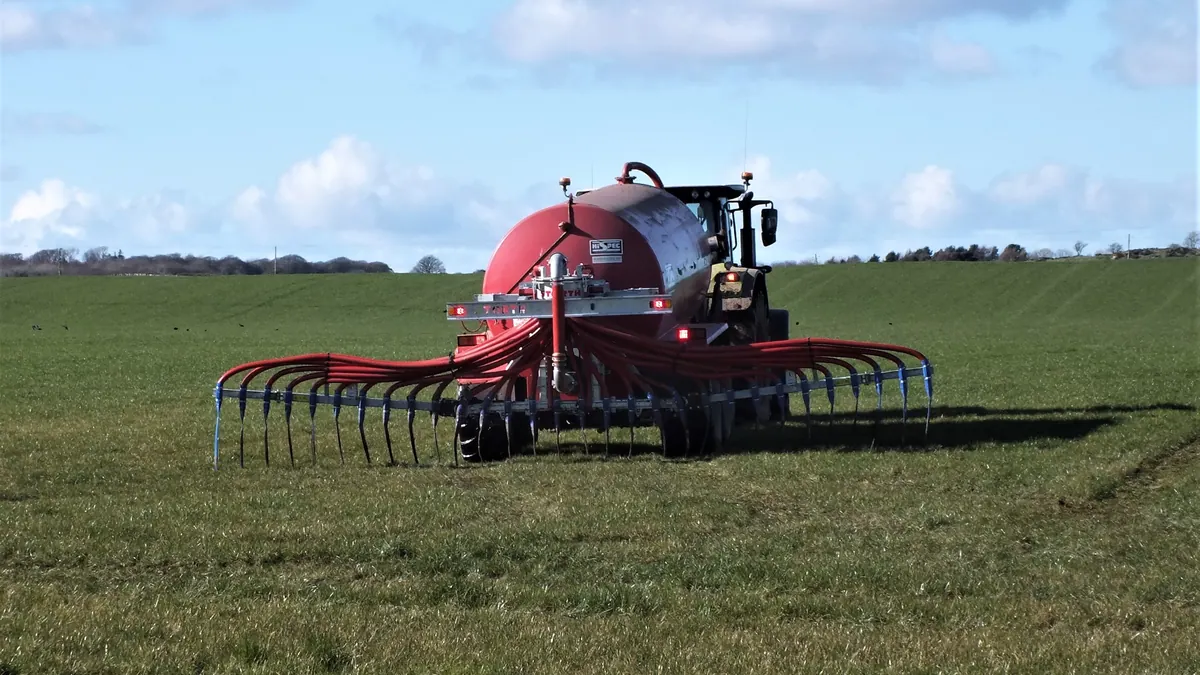
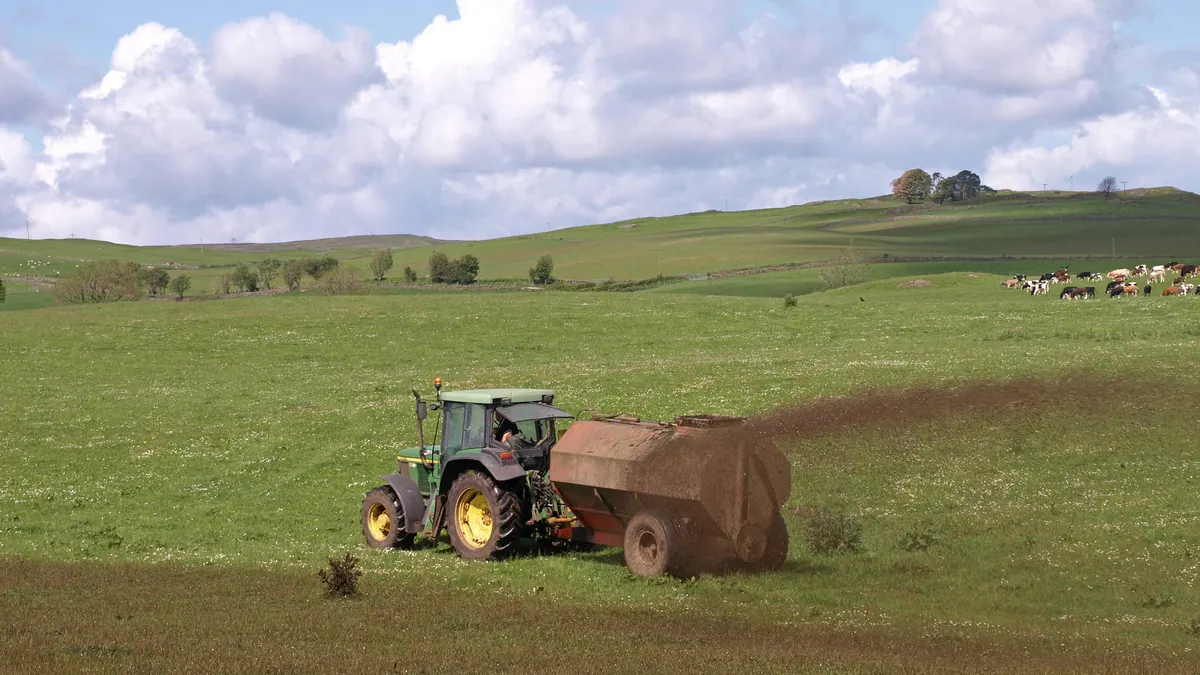
- Rules of application: liquid digestate may not be applied to frozen, waterlogged, snow-covered or water-saturated ground, or to crops intended for direct consumption during the growing season,
- Inspection and fees: the inspectorate checks digestate, and in the event of non-compliance the producer bears the cost of testing,
- Penalties: from PLN 2 thousand to PLN 50 thousand for breaches related to packaging, documentation and information; from PLN 2 thousand to PLN 100 thousand for failure to notify, exceeding contaminant limits or failing to withdraw a non-compliant product.
Implementing regulations in force until now remain valid for a maximum of 24 months. The act also amends the waste act: selected substrates intended for biogas plants may be treated as by-products and not as waste.
Significance for the industry in Poland
For farmers who use digestate, this means transparency and safety: they know what to demand from the producer and what rules apply in the field. For biogas plants these are new administrative obligations and quality control, but also the right to treat the product as a fertiliser, which makes trade easier. The regulation is particularly important for installations that sell digestate outside their own farm.
The ban on applying digestate to frozen, waterlogged or snow-covered soil is consistent with the rules on water protection and the Nitrates Directive. In practice it requires adequate tank capacity to store digestate in winter.
What to pay attention to
Before 11 September it is necessary to check whether the installation has a batch record system, periodic composition tests and storage capacity. It is worth agreeing with farmers the schedules for collection and application.
Storage in practice
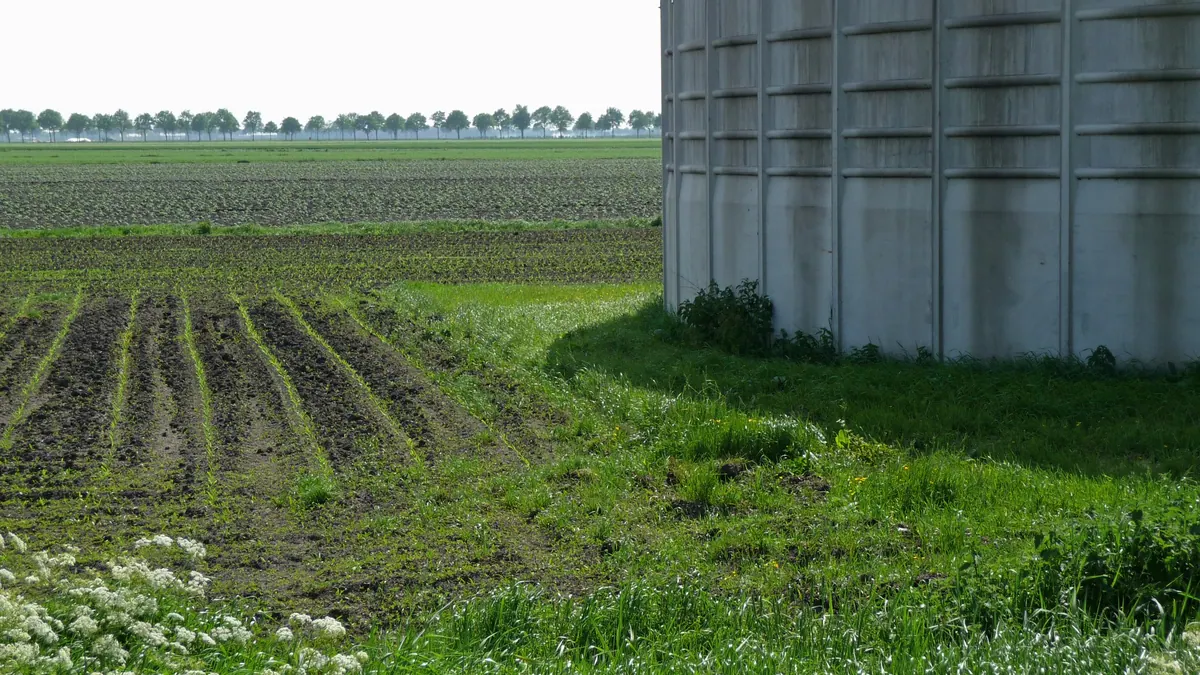
The ban on application to frozen or waterlogged ground means that digestate stores must hold several months of production. When planning an investment, tank capacity, tank tightness and access to equipment for soil injection, which limits nitrogen losses, must therefore be taken into account.
What next
The agriculture ministry is to issue a regulation on permitted contaminants in digestate and on the details of the documents. Until it is issued, producers should rely on existing standards and good practice.
Sources
Questions and answers
Is digestate a fertiliser in Poland?
Since the act entered into force, digestate products have a separate definition in the Act on Fertilisers and Fertilisation and are subject to notification to the plant protection inspectorate and to requirements for documentation, quality and use.
Related articles