BiogasEvent
Sejm passes the act easing the way for agricultural biogas plants. 449 MPs voted in favour
On 26 May 2023 the Sejm passed the act on facilitating the preparation and implementation of investments in agricultural biogas plants. 449 MPs voted in favour. The act goes to the Senate.
Other language versions: polski.
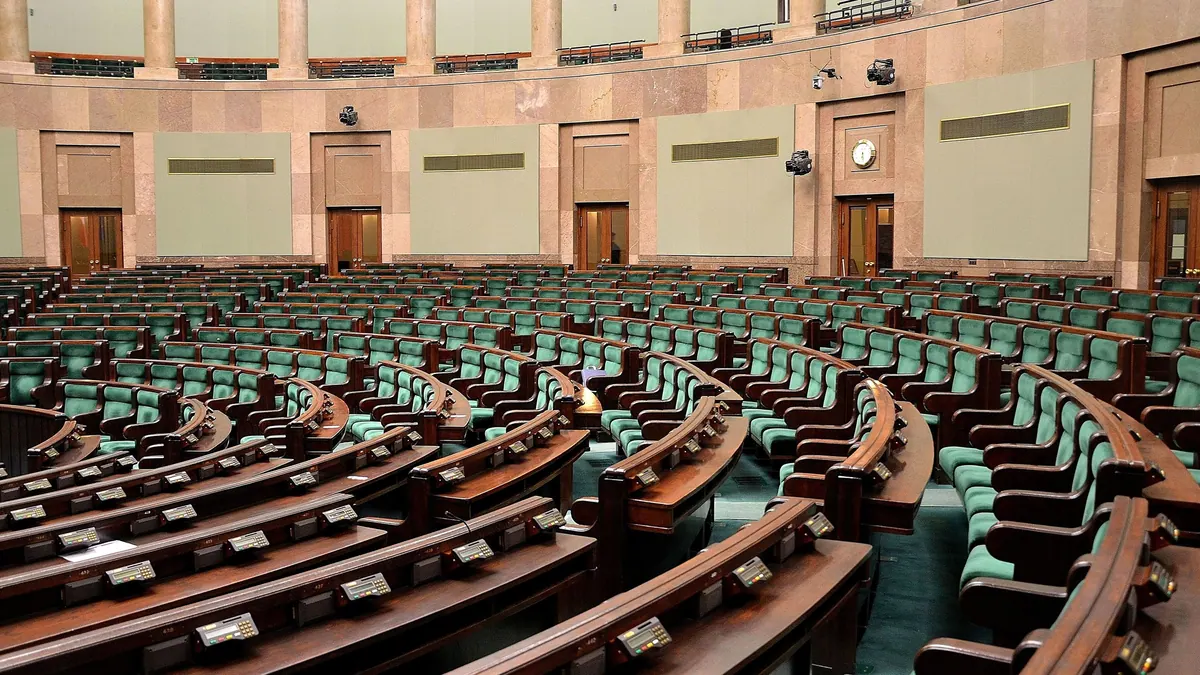

On 26 May 2023, at its 76th sitting, the Sejm passed the act on facilitating the preparation and implementation of investments in agricultural biogas plants, and on their operation. 449 MPs voted in favour of the act. The document goes to the Senate. It is the most important national act for agricultural biogas in years: it is meant to simplify siting and building procedures, set rules for the entities that may use the facilitations, and put in order the question of the use of digestate.
What is changing
The act is the result of years of demands from the industry and from farmers, who pointed out that agricultural biogas plants often get stuck in procedures: land development decisions, environmental approvals, the removal of agricultural land from production and grid connection. The bill provides above all for:
- special rules for siting and obtaining permits for agricultural biogas plants carried out by specified categories of entities, including farmers,
- shortening of certain time limits in administrative proceedings,
- changes to the Energy Law, the Act on Renewable Energy Sources, the waste act and the Building Law,
- regulation of digestate products in the act on fertilisers and fertilisation,
- corrections to the act on biocomponents and liquid biofuels.
The details, including capacity limits and the list of substrates, depend on the final wording after consideration by the Senate.
Significance for the industry in Poland
For farmers and investors, the act may change the availability of projects. Procedures that today take years are to be shortened and their course simplified. For installations that meet the criteria, clear regulation of digestate will also be important: its notification, documentation and conditions of application to land. This is meant to make it easier to sell the fertiliser and increase farmers' trust in the product.
The broad majority of votes in the Sejm shows that the subject of agricultural biogas is seen as cross-party: it combines energy security, rural development and waste management.
What to pay attention to
Investors should analyse whether the project falls within the category of entities entitled to the facilitations, what restrictions apply to capacity and feedstocks, and what the siting procedure looks like. It is also worth preparing for changes in the way digestate is managed: batch records, declarations and quality tests.
Why the act was needed
The Polish agricultural biogas market has developed slowly. Despite a large feedstock potential, the number of installations did not grow as quickly as in countries such as Germany or Denmark. The industry pointed to barriers: local disputes over siting, uncertainty over the classification of digestate and the lack of consistent rules. The new act is meant to reduce these barriers, but its effects also depend on implementing regulations and on the practice of the authorities.
What next
The Senate will consider the act within 30 days. If it introduces amendments, they will return to the Sejm, and the act will then go to the President. The industry is counting on a swift signature and on the rules entering into force this year.
Sources
Related articles