Law and regulationAnalysis
Digestate: fertiliser or waste? Legal routes: R10, by-product, fertiliser permit
In 2021 the legal status of digestate depended on the feedstock and the chosen route: waste with R10 recovery, by-product, end-of-waste status or a fertiliser with a ministerial permit. We compare these routes.
Other language versions: polski.
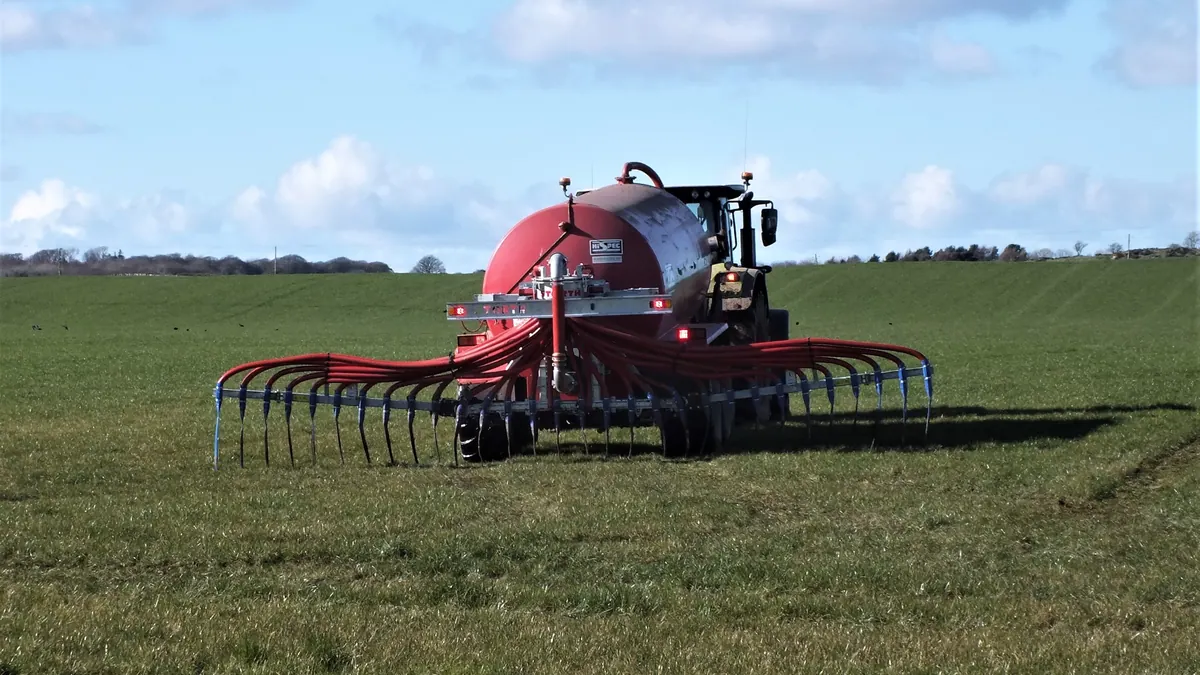

The legal status of digestate is not fixed once and for all: it depends on the feedstock, on whether the holder "discards" it, and on the route chosen. In December 2021 there were four realistic routes: waste with R10 recovery, by-product, end-of-waste status and a fertiliser with a permit from the Minister of Agriculture. Each has different costs, risks and required documents.
Route 1: waste and R10 recovery
Digestate from a biogas plant processing waste is usually classified as waste from group 19 06 (including 19 06 04 — digested waste from anaerobic treatment of municipal waste, 19 06 05 — liquors, 19 06 06 — digested animal and vegetable waste). Its agricultural use is R10 recovery (treatment on land resulting in benefit to agriculture), regulated by the Minister of Environment regulation of 20 January 2015. The conditions depend on the feedstock:
- if, among other things, waste was processed — the digestate must meet the requirements for fertilisers and contaminant limits, material of animal origin must comply with Regulation 1069/2009, and the amount of heavy metals in the soil may not exceed the values for sewage sludge;
- if only biomass and animal by-products were processed, with no added waste — the requirements are lighter (compliance with Regulation 1069/2009 and requirements as for natural fertilisers);
- for digestate from selectively collected biowaste ex 19 06 04 after wet digestion, requirements as for municipal sewage sludge apply.
The waste holder must have tests of the waste and soil from a laboratory meeting the requirements of Article 147a of the Environmental Protection Law, and the doses must take account of soil fertility and plant needs.
Route 2: by-product
Article 10 of the Act on waste allows a substance to be treated as a by-product if the following conditions are met cumulatively: further use is certain, it can be used without additional processing, it is produced as an integral part of the process, it meets product and environmental requirements and it does not lead to overall adverse impacts. The producer submits a notification to the voivodeship marshal, who, by decision and after an opinion from the WIOŚ, confirms or refuses recognition. For digestate the "certainty" of use is key — agreements with recipients and tests are needed.
Route 3: end-of-waste status
Article 14 of the Act on waste allows waste, after recycling or other recovery, to cease to be waste if it is intended for specific purposes, a market exists for it, it meets technical and legal requirements and it does not harm health or the environment. Detailed conditions are set by EU law, a national regulation or — where there are none — a waste processing permit. In 2021 there were no national end-of-waste criteria for digestate, so this route depended on the conditions written into the permit.
Route 4: organic fertiliser with a permit
Under the act on fertilisers and fertilisation, organic fertilisers are placed on the market on the basis of a permit from the Minister of Agriculture (Article 3(2) and Article 4). The application requires test results, opinions of authorised units (fertilising suitability, quality, contaminants, absence of risk to health and the environment), a draft instruction and — for fertilisers from UPPZ — the county veterinary officer's decision approving the plant, with a veterinary number. The permit is issued for an indefinite period but may be withdrawn. This is the most "product-like" route, because digestate ceases to be waste, but it takes longer.
Comparison
| Route | Status | Main document | Typical advantage | Typical drawback |
|---|---|---|---|---|
| R10 | waste | R10 regulation, tests | no fertiliser permit | waste obligations, BDO |
| By-product | non-waste | marshal's decision | no waste regime | requirement of certain off-take |
| End-of-waste | non-waste after recovery | permit/decision | flexibility | uncertainty of criteria |
| Fertiliser with a permit | fertiliser | MRiRW permit | fertiliser market | time and cost of testing |
The role of UPPZ in each route
Whichever route is chosen, if animal by-products were processed in the biogas plant (and manure and slurry are such), the digestate must meet the requirements of Regulations 1069/2009 and 142/2011 for hygienisation and microbiological standards. For an organic fertiliser from UPPZ, the county veterinary officer's decision approving the plant is attached to the permit application, and the labelling of such fertilisers is done under the EU regulation.
Practical selection criteria
- When the recipients are numerous farmers nearby — R10 or by-product is often enough, because transport is short and the agreements stable.
- When digestate is to be sold in bags or in large batches under a brand — consider a fertiliser with a permit, because it opens the market and allows the composition to be declared.
- When the feedstock varies — every change of recipe may require new tests, so recovery routes with feedstock-dependent conditions are often flexible.
- When waste from the municipal market is involved — the R10 requirements are stricter and close to those for sewage sludge.
Documents for each route
| Route | Key documents |
|---|---|
| R10 | results of waste and soil tests, records in the BDO, doses adjusted to soil fertility |
| By-product | notification to the marshal, agreements confirming use, marshal's decision |
| End-of-waste | permit with end-of-waste conditions, product tests |
| Fertiliser with a permit | MRiRW permit, opinions of units, instruction, UPPZ documents |
In addition, farms receiving digestate should remember the nitrates programme: the 170 kg N/ha limit, dates and records also apply to the farmer who applies such a fertiliser.
What to do first
- Establish the composition of the feedstock and its waste codes; the regime depends on this.
- Check whether UPPZ are involved (manure, kitchen waste) and whether the plant has veterinary approval.
- Ask about recipients: whether there are agreements and whether farmers accept the conditions.
- Compare the cost of tests and permits with the benefit of the chosen route.
This text is for information purposes only and does not constitute legal advice; before an investment or formal decision, check the current wording of the provisions and consult a lawyer or the competent authority.
Sources
Questions and answers
Is digestate a waste or a fertiliser?
It depends on the substrates and the process: digestate from waste usually has waste status until it goes through a procedure to convert it into a product, while digestate from agricultural substrates can be a fertiliser or a plant biostimulant without waste status.
Related articles