Digestate and fertilisersEvent
The new nitrates programme of 2020: fertilisation rules cover the whole of Poland
The Council of Ministers Regulation of 12 February 2020 (Journal of Laws (Dz.U.) item 243) adopted a programme for reducing water pollution by nitrates. The rules covered the whole country, not only particularly vulnerable areas.
Other language versions: polski.

On 12 February 2020 the Council of Ministers adopted a regulation on the programme of measures aimed at reducing water pollution by nitrates from agricultural sources and preventing further pollution (Journal of Laws (Dz.U.) 2020, item 243). The most important change: the programme covers the whole country, not only particularly vulnerable areas. For farms that also fertilise with natural fertilisers and digestate, this means new storage and planning requirements.
What the programme changes
The programme stems from the Nitrates Directive 91/676/EEC, which requires limiting water pollution by nitrogen compounds of agricultural origin. The previous programme, from 2018, concerned only nitrate vulnerable zones (OSN). The new one applies throughout the country, with separate deadlines for applying mineral and liquid natural nitrogen fertilisers on arable land (until 15 October or until 25 October) provided for municipalities listed in Annexes 2 and 3 to the programme.
The most important elements of the programme included:
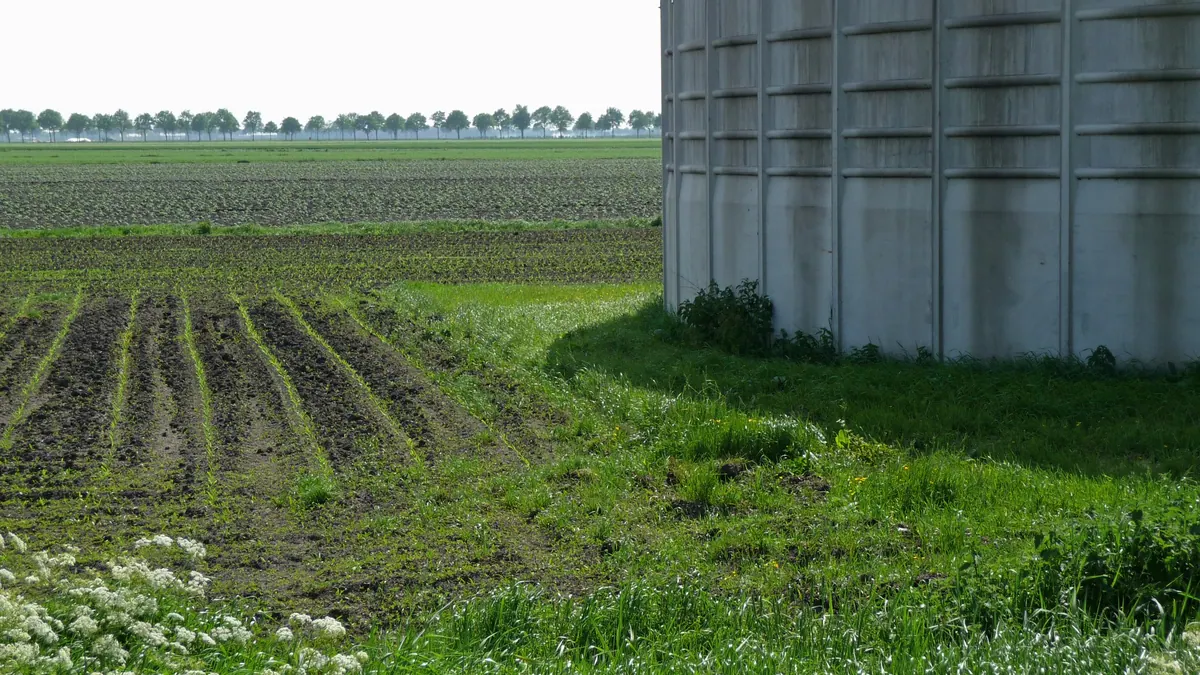
- storage capacity — tanks for liquid natural fertilisers must have a capacity corresponding to 6 months, and slabs and sites for solid fertilisers — 5 months;
- the nitrogen fertilisation plan — prepared every year, separately for each agricultural plot;
- restrictions on the timing and methods of application of nitrogen fertilisers, including natural fertilisers;
- a limit on the dose of nitrogen from natural fertilisers of 170 kg N/ha per year, resulting from the directive.
Why this matters for biogas plants
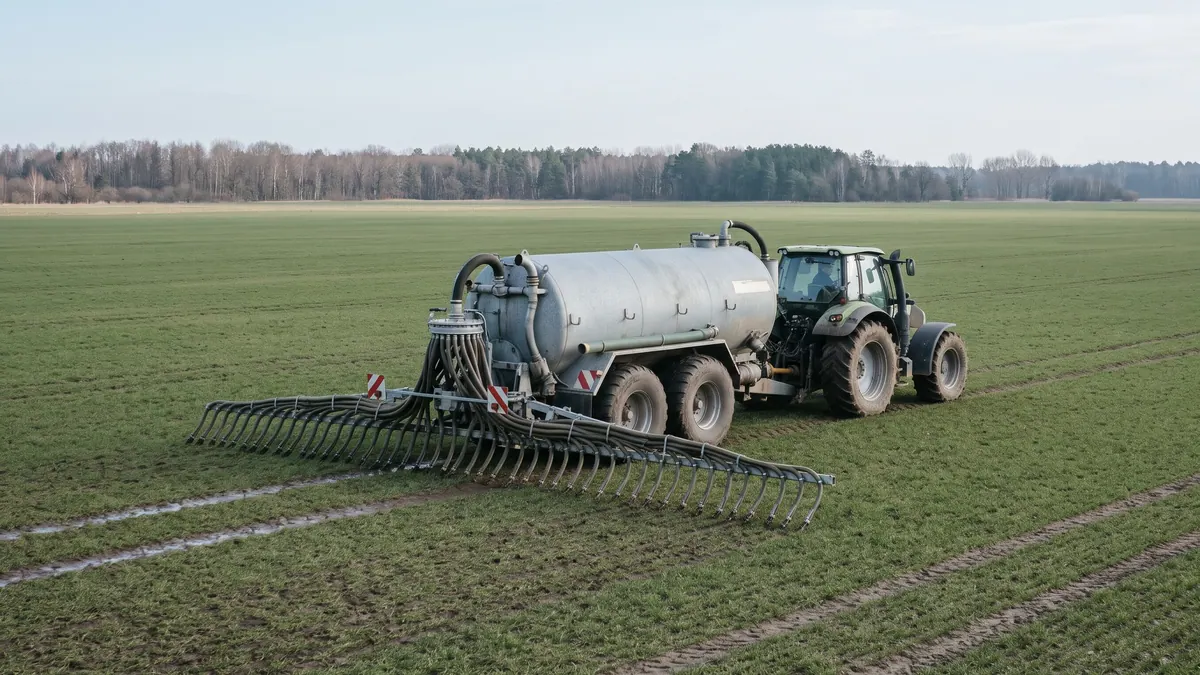
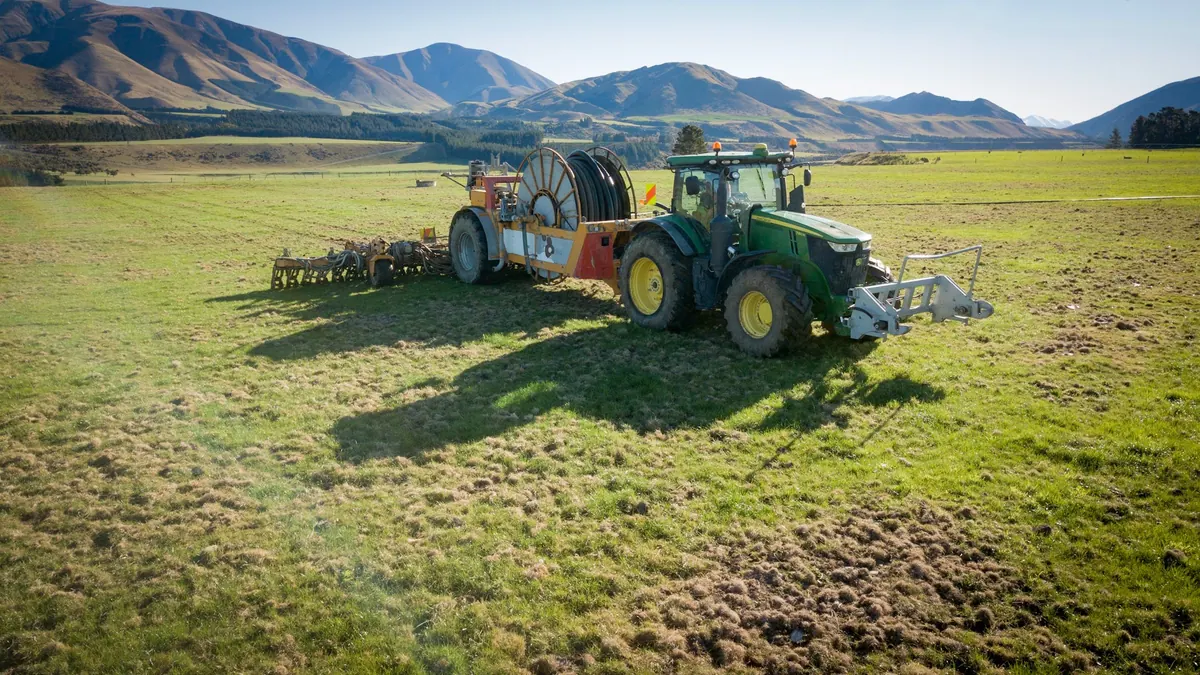
An agricultural biogas plant usually closes the nutrient cycle: it takes in slurry or manure and returns digestate to the fields. The rules of the nitrates programme specify when and in what quantities it can be applied, and what storage capacity must be provided. Increased capacity requirements mean that investors must plan digestate tanks that can hold the output from the period when application to fields is impossible.
How digestate is treated — as a natural fertiliser, an organic fertiliser or a waste applied on the basis of a decision — depends on the type of substrates and on the waste or fertiliser regulations. For this reason, when designing digestate management several legal acts have to be analysed at the same time.
What next
For farmers the programme meant the need to adapt infrastructure, and for agricultural advisers — new training tasks. For biogas plants it meant the need to confront nutrient balances and storage capacity with the requirements of the programme. These solutions affected the planning of lagoons, tanks and agreements on the collection of digestate by neighbouring farms.
A tip for investors
When planning a new agricultural biogas plant, it is worth calculating already at the concept stage how much digestate will be produced per year, what area of land will allow it to be used in line with the nitrogen limit, and what tanks need to be built. The lack of such analyses is one of the more common causes of delays in obtaining environmental decisions.
What changed in farm practice
Extending the programme to the whole country meant that rules which had previously applied only to selected municipalities became the standard for all farms. For farmers approaching livestock density limits or with limited storage capacity, this required investment planning, and for agricultural advisory services — preparing training. From the perspective of a biogas plant it is important that the nitrogen balance on a farm also takes into account nitrogen from digestate.
Sources
Questions and answers
How does the nitrates programme relate to digestate from biogas plants?
The rules on timing, doses and storage of nitrogen fertilisers affect how farms can use digestate as a fertiliser. The details depend on the classification of the digestate and the substrates used for digestion.
Related articles