Digestate and fertilisersEvent
The Commission adopted an amendment to the Nitrates Directive: RENURE as an alternative to mineral fertilisers
On 9 February 2026 the European Commission formally adopted an amendment to Annex III of the Nitrates Directive allowing the use of RENURE – recovered nitrogen from manure – above the manure limit. Use is voluntary for states.
Other language versions: polski.
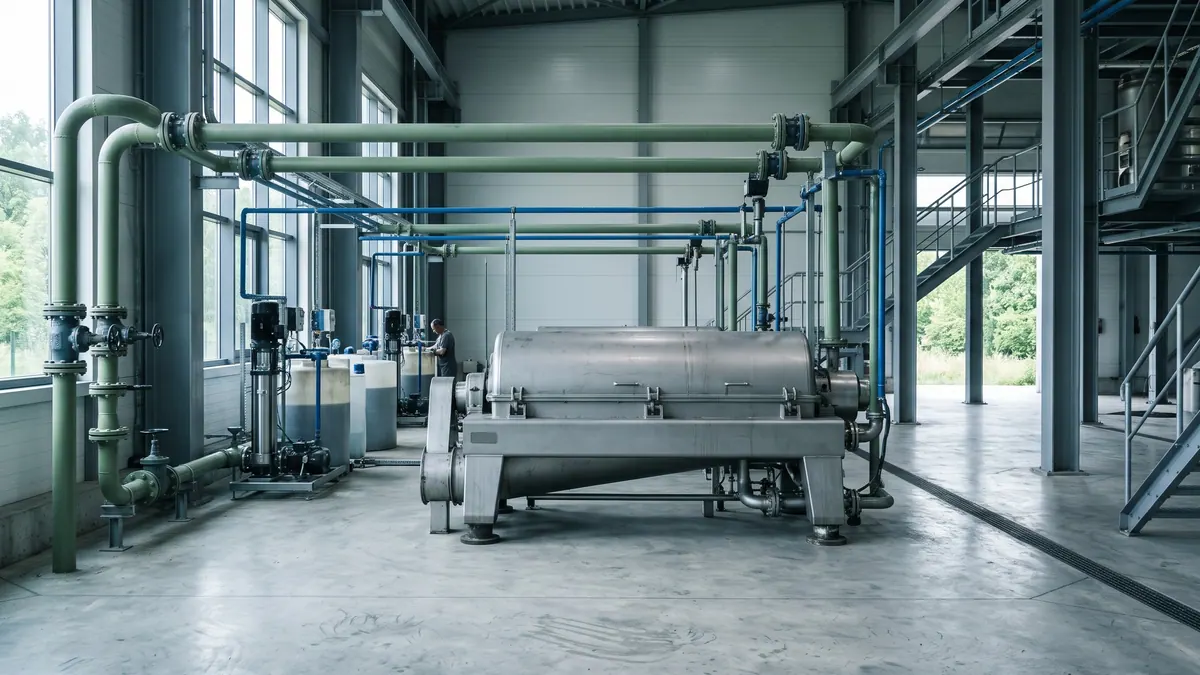
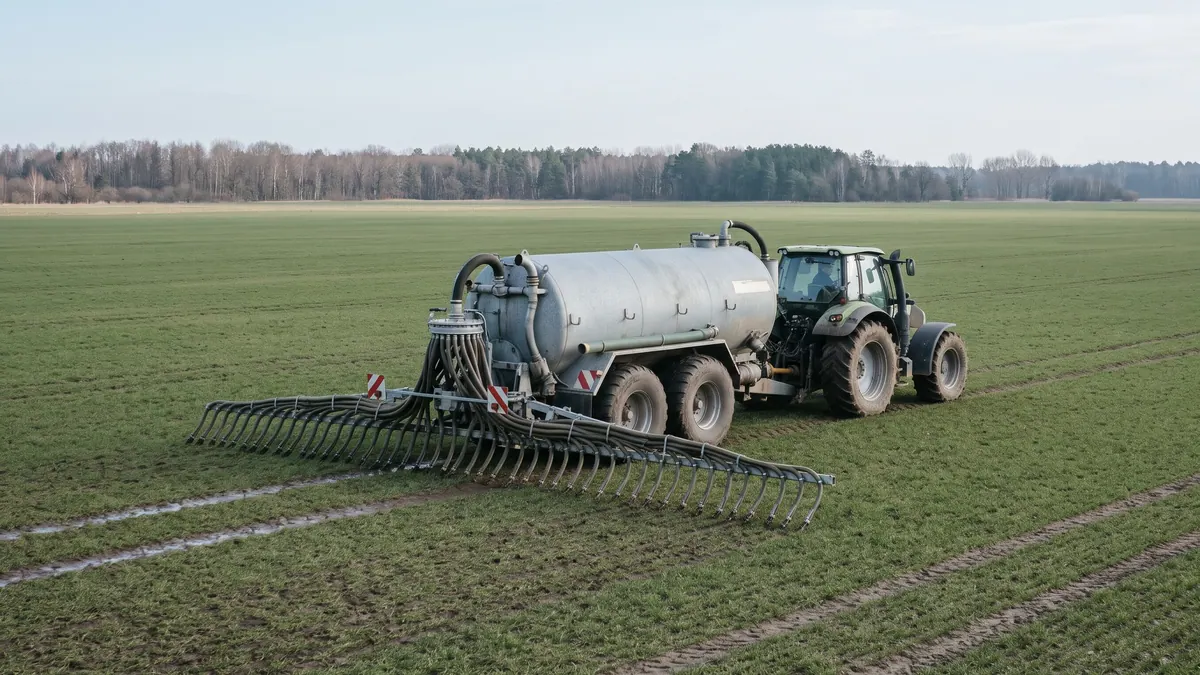
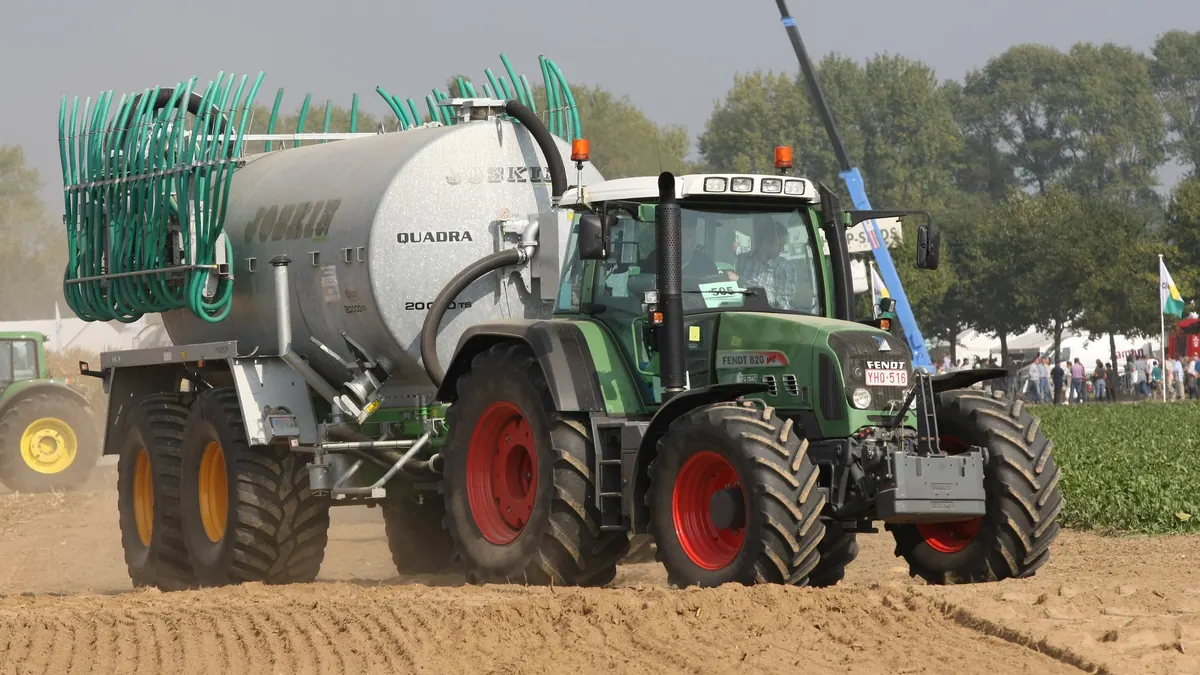
The European Commission formally adopted on 9 February 2026 an amendment to Annex III of the Nitrates Directive, which introduces the category of RENURE (REcovered Nitrogen from manURE), that is, recovered nitrogen from manure. As a result, fertiliser products from processed manure will be able to be applied above the limit that applies to manure and processed manure, which is intended to allow farmers to replace mineral fertilisers. The Commission presents this as a shift from waste to value.
What RENURE is
RENURE is fertilisers made from manure using advanced processing techniques in which nutrients are converted into forms readily available to plants. According to the Commission, their use carries a lower risk of water pollution than the use of raw manure. The condition is that environmental safeguards are applied, mainly protecting waters from nitrates from agriculture.
Procedure: the Nitrates Committee, with representatives of the states, voted in favour of the amendment on 19 September 2025, and the European Parliament and the Council then examined it under the comitology procedure. The amendment is optional in nature – only states that decide to allow RENURE must apply it, and they transpose it into national law. Commissioner Jessika Roswall said that the EU is "turning waste into value". The aim is to reduce dependence on imported fertilisers, lower farmers' costs and strengthen strategic autonomy. The source does not give numerical values of the limits or savings.
Relationship with biogas and digestate
RENURE essentially concerns products from manure, while digestate from biogas plants is a related but separate stream. During the work, European organisations, including the European Biogas Association, called for extending the RENURE criteria to digestate, because the fermentation and separation process (e.g. recovery of ammonium nitrogen) leads to similar products. The Commission does not refer to digestate in its communication on adopting the amendment, which means the extension is a subject for future decisions.
Significance for the industry in Poland
Poland is a large producer of manure and slurry, and the Nitrates Directive limits the application of natural fertilisers to 170 kg N/ha per year in areas covered by programmes. RENURE may open the way to a more rational use of nutrients recovered in biogas plants and separation installations, but the decision on allowing it rests with the state. For the Ministry of Agriculture it means a choice between the advantages (substitution of mineral fertilisers, development of manure processing) and the risks (water monitoring, controversy among environmentalists). Copa-Cogeca criticised the limit of 100 kg N/ha per year for RENURE proposed in the course of the work, considering it scientifically unjustified, and environmental organisations opposed the weakening of the rules.
What to watch
The act itself does not automatically change farm practice: national regulations, a register of products and control are needed. Investors in nitrogen recovery technologies (stripping, separation, membranes) should follow the Polish government's decision on allowing RENURE.
Sources
Related articles