Waste-to-energyAnalysis
Energy from waste: comparing the routes — digestion, incineration, pyrolysis and landfill gas
For biowaste digestion is better, for residual waste incineration, for selected fractions RDF, pyrolysis or gasification. We compare the routes by feedstock, product, maturity and legal conditions.
Other language versions: polski.
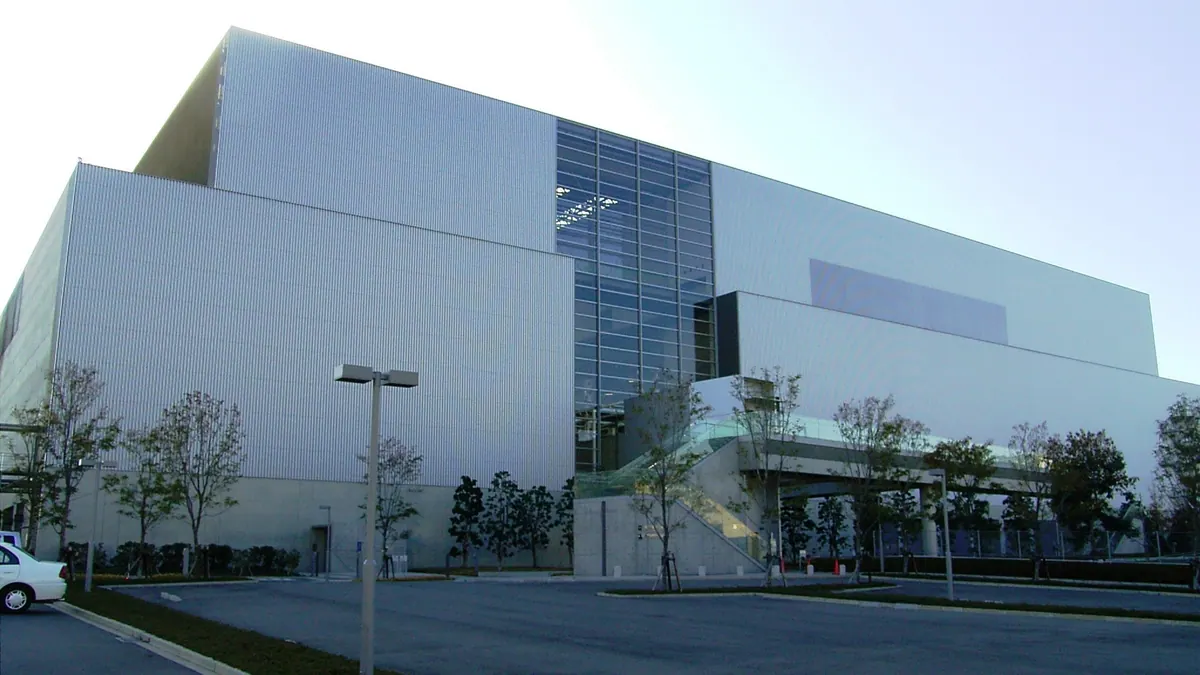

There is no single best route for recovering energy from waste: for the organic fraction anaerobic digestion is appropriate, for residual waste thermal treatment, for the separated high-calorific fraction RDF and co-incineration, and pyrolysis and gasification remain niche solutions. A separate case is landfill gas, which is not a choice but a consequence of earlier landfilling and is subject to an obligation of control. All these routes rank below recycling and prevention in the waste hierarchy.
The starting principle: the hierarchy, not the technology
Directive 2008/98/EC sets the order: prevention, preparing for re-use, recycling, other recovery (including energy recovery), disposal. For biowaste the Directive requires separate collection or recycling at source (deadline: the end of 2023), which opens the way for digestion and composting. The Landfill Directive, in turn, sets a limit of 10% landfilling of municipal waste by 2035. Energy from waste should therefore manage what cannot sensibly be recovered as material.
Comparison of the routes
| Criterion | Anaerobic digestion | Incineration (ITPOK) | RDF and co-incineration | Pyrolysis / gasification | Landfill gas |
|---|---|---|---|---|---|
| Feedstock | biowaste, sludges, food waste | mixed residual waste | combustible fraction after treatment | homogeneous plastics, tyres, biomass | deposited biodegradable waste |
| Product | biogas / biomethane, digestate | electricity, heat, slag, flue gas cleaning waste | thermal energy in a cement plant or boiler | gas, oil, char | gas for an engine or flare |
| Maturity | high | high | high, depending on the market | low–medium | high |
| Position in the hierarchy | organic recycling (together with compost or fertiliser) | energy recovery (R1) or disposal (D10) | energy recovery | depends on the use of the products | mandatory control |
| Key requirements | sanitary conditions, digestate quality | IED, BAT, R1, permits | fuel specification, co-incineration limits | waste status of the products, IED | Landfill Directive, landfill regulation |
| EU taxonomy | digestion of biowaste recognised as qualifying | not among qualifying activities | no separate activity | no separate activity | landfill gas capture and utilisation |
| EU ETS | outside the system | MRV from 2024; assessment of inclusion under way | cement plants in the ETS | depending on the installation | outside the system |
How to match the route to the stream
- Organic fraction (biowaste, sludges, food waste). Digestion, and where the material has a low energy value, composting. Requires separate collection without contaminants.
- Residual waste. Thermal treatment with energy recovery (heat + electricity). A well-located installation will meet the R1 threshold.
- Separated combustible fraction. RDF for cement plants or boilers; the specification and an alternative outlet are key.
- Narrow, homogeneous streams (tyres, selected plastics, biomass). Pyrolysis or gasification, provided there is a reference feedstock and an outlet for the products.
- A landfill with biodegradable waste. Degassing and energy use or burning in a flare.
Legal and technical criteria worth checking
- Classification of the installation. Whether it is an incineration plant, a co-incineration plant, or a waste processing installation (determined by whether the resulting substances are subsequently burned).
- Permits and environmental decisions. Depending on capacity and type of waste.
- Emission standards and BAT.
- Support rules. Biogas, including landfill gas, may be covered by the renewable energy rules; waste incineration is governed by its own rules.
- Regulatory costs: the landfill fee, the ETS, gate fees.
- Mass and energy balance for the actual stream.
The most common errors in comparisons
- Putting a mature route next to a pilot technology without taking the risk into account.
- Comparing efficiencies without accounting for differences in feedstock.
- Overlooking side streams: digestate, slag, flue gas cleaning waste, char.
- Ignoring the local heat customer, which often decides profitability.
- Treating energy from waste as a substitute for separate collection.
Practical conclusion
Local systems are best built in layers: first prevention and recycling, then digestion of biowaste, next thermal treatment of residual waste and, as a supplement, RDF, and finally niche solutions for selected streams. For each link, check the availability of a customer for the product and the regulatory costs. A well-done mass and energy balance saves more than the best technology chosen intuitively.
An example of selection for a municipality
A medium-sized municipality collects waste in four streams: dry recyclables, glass, biowaste and residual waste. The biowaste goes to a digestion installation or a composting plant, where digestion produces biogas used in cogeneration or upgraded to biomethane, and the digestate returns to the fields once the requirements are met. The residual waste goes to a regional thermal treatment installation, which delivers heat to the network. The high-calorific fraction from the sorting plant can be sent to a cement plant as RDF, and the old landfill can be equipped with degassing and an engine. Pyrolysis could be considered only for a narrow stream, e.g. used tyres, if there is a reference installation and a customer for the products.
Risks that carry over between routes
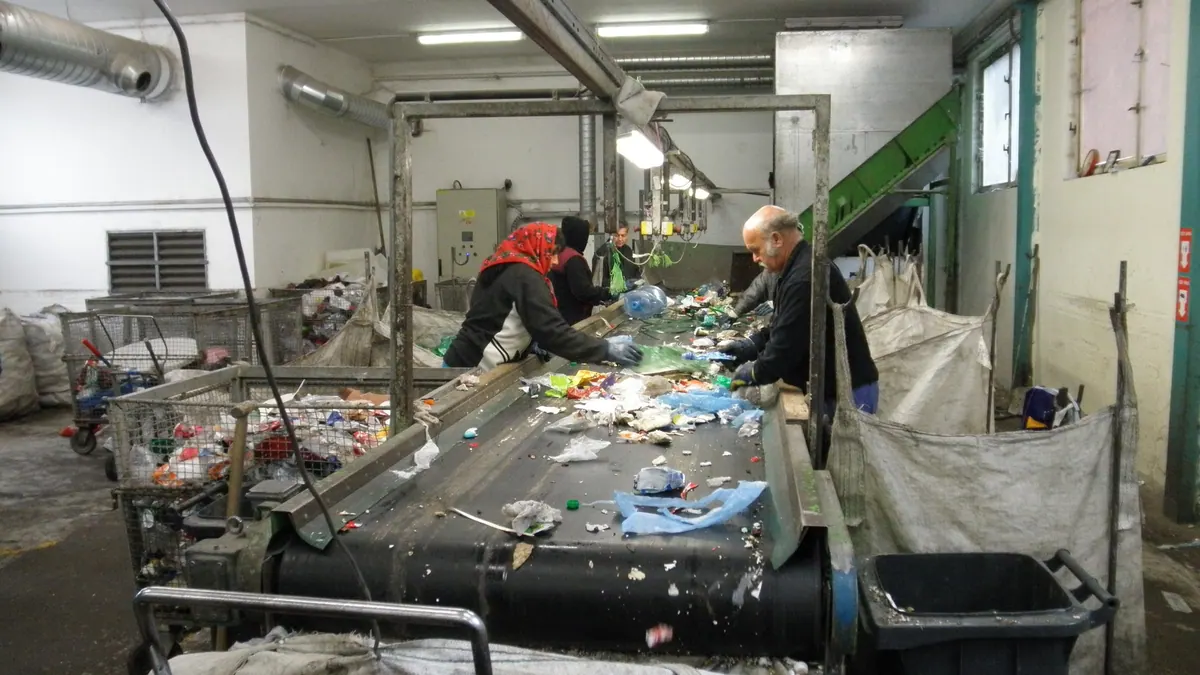
- Quality of biowaste. Contamination with plastics worsens the quality of digestate and compost and lowers the energy yield.
- Overcapacity. Too large a capacity of an incineration plant or cement plant relative to the waste stream encourages the acceptance of waste that is better recycled.
- Regulatory costs. Landfill fees, the ETS and BAT requirements change the cost relations between the routes.
- Dependence on a single customer. A cement plant or a district heating network is a single point of failure.
This text is for information purposes only and does not constitute legal advice; before an investment or formal decision, check the current wording of the legislation and consult a lawyer or the competent authority.
Sources
Questions and answers
Can pyrolysis replace an incinerator?
In practice, rarely. It requires a homogeneous, prepared feedstock, and the products have to be managed. For mixed municipal waste, an incinerator is the more mature solution.
Which energy route is best for waste?
There is no single one. For biowaste, digestion or composting; for residual waste, thermal treatment; for clean fractions, recycling. The composition of the stream and the waste hierarchy decide.
Related articles