Waste-to-energyAnalysis
Waste incineration plants and the EU taxonomy: the DNSH principle and public financing of ITPOK
A waste incineration plant is not an activity supported by the EU taxonomy, and the DNSH principle and exclusions in the cohesion funds limit public financing of new capacity. What does this mean for an investor?
Other language versions: polski.

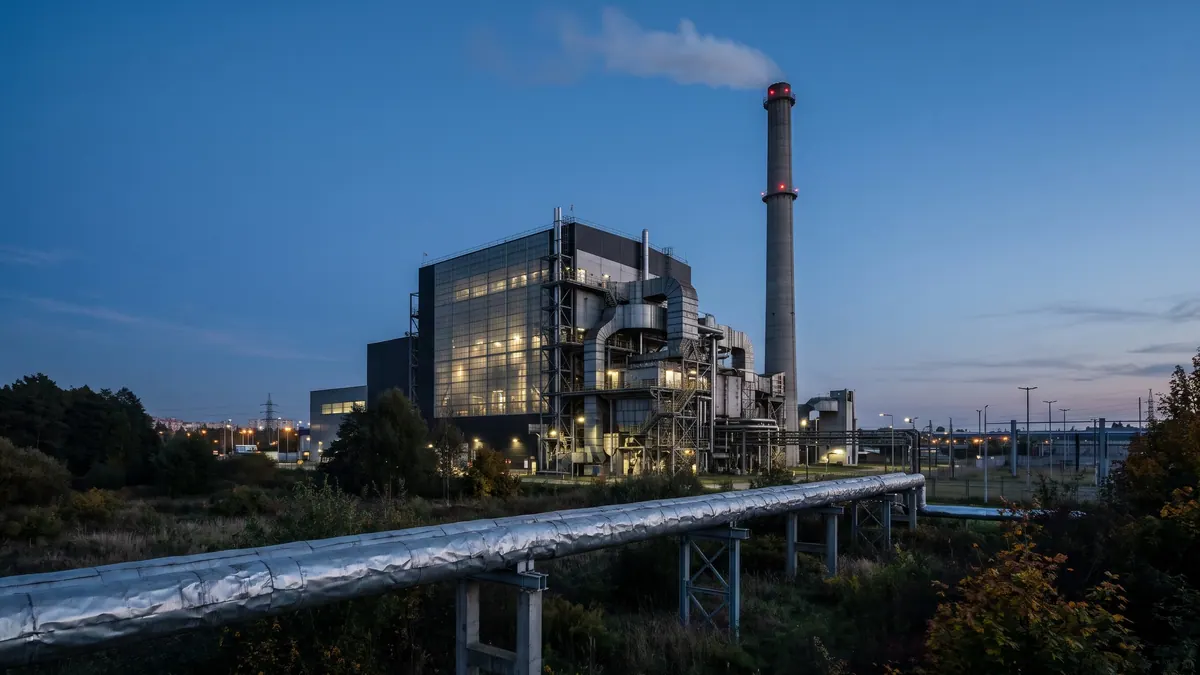
A municipal waste incineration plant is not, in the EU taxonomy, an activity that makes a substantial contribution to environmental objectives, and the rules on financing from EU funds in 2021–2027 restrict support for new capacity for processing residual waste. This is not a ban on building ITPOK (municipal waste thermal treatment installations), but a change in the structure of incentives: these installations must increasingly rely on national funds and commercial loans, and their designers must demonstrate compliance with the waste hierarchy.
What the taxonomy says
Regulation 2020/852 specifies when an economic activity can be regarded as environmentally sustainable: it must make a substantial contribution to one of the objectives (including climate change mitigation, the circular economy), do no significant harm to the other objectives (DNSH), meet minimum social safeguards and comply with the technical criteria from the delegated acts. For the circular economy objective, Article 17 provides, among other things, that an activity does significant harm if it leads to a significant increase in the generation, incineration or disposal of waste, with the exception of incineration of non-recyclable hazardous waste.
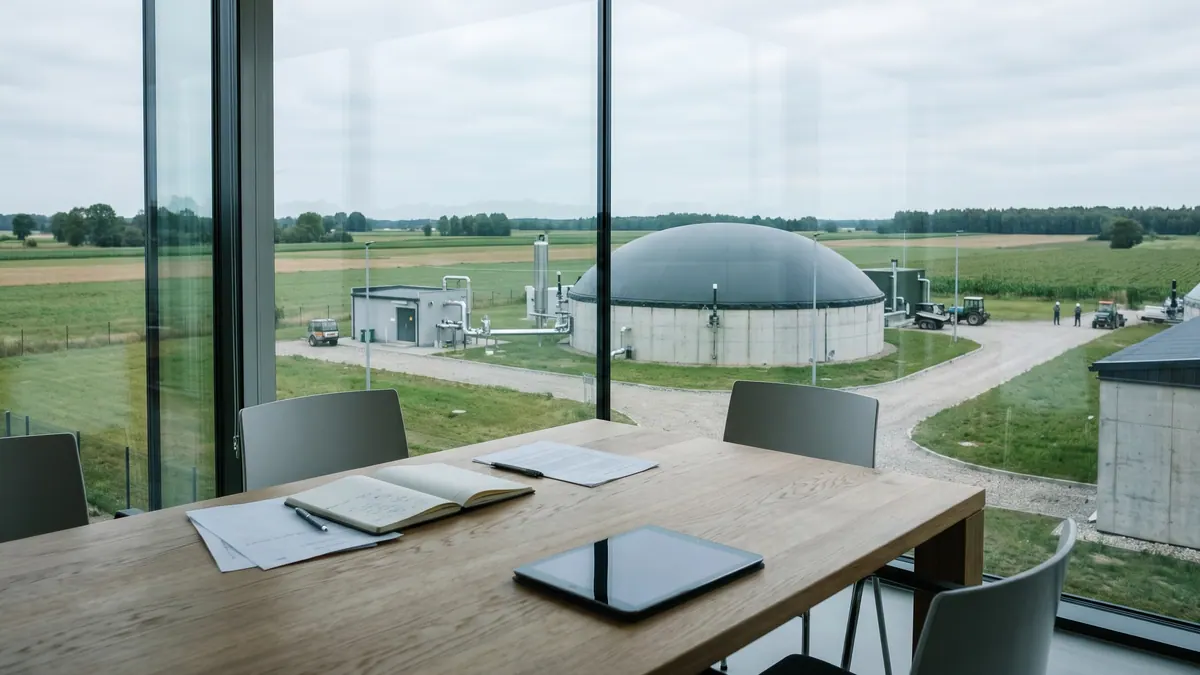
In the delegated acts to the taxonomy (including Delegated Regulation 2021/2139 on the climate objectives), the activities qualifying in the waste sector include: collection and transport of separately collected non-hazardous waste, anaerobic digestion of biowaste, composting, material recovery from non-hazardous waste, and landfill gas capture and utilisation. The incineration of mixed municipal waste is not there as a separate qualifying activity. For investors this means it is not possible to show that a project is "green" under the taxonomy, which matters for some funds, banks and thematic bonds.
DNSH in EU funds
The DNSH principle is a horizontal condition for funds from EU programmes, including the Recovery and Resilience Facility, whose technical guidance (Commission Notice 2021/C 58/01) refers the assessment to Article 17 of the taxonomy. In the area of the circular economy this means that a project cannot lead to a significant increase in waste incineration. The guidance does not give one answer for every case: the assessment depends on the scale of the project, the type of waste and the impact on recycling targets.
In cohesion policy, Regulation 2021/1058 is decisive. Under its Article 7(1)(g), the ERDF and the Cohesion Fund do not support investments that increase the capacity of installations for processing residual waste, with the exception of the outermost regions in justified cases and investments in technologies recovering materials from residual waste for circular economy purposes. In parallel, point (f) excludes investments in waste landfilling, with exceptions for the closure or securing of existing landfills without increasing their capacity.
How existing ITPOK were financed
In earlier perspectives, EU support for thermal treatment of waste was available and many Polish installations were built with its participation. The example of the Port Czystej Energii in Gdańsk (data on costs and financing after the opening of the installation) is described in the update. This is a model in which an EU grant and a national loan or grant cover most of the outlay.
In the 2021–2027 perspective this model is no longer automatic. For new capacity, the following mainly remain:
- National funds (NFOŚiGW, ministerial programmes) — with the proviso that national programmes must fall within the State aid rules.
- Commercial loans and local government investments — often in the form of municipal companies or public-private partnership.
- Gate fee revenues — repaying the investment over time.
- Financial instruments of banks and international institutions — provided that their own lending policies do not exclude such projects.
What this means for projects
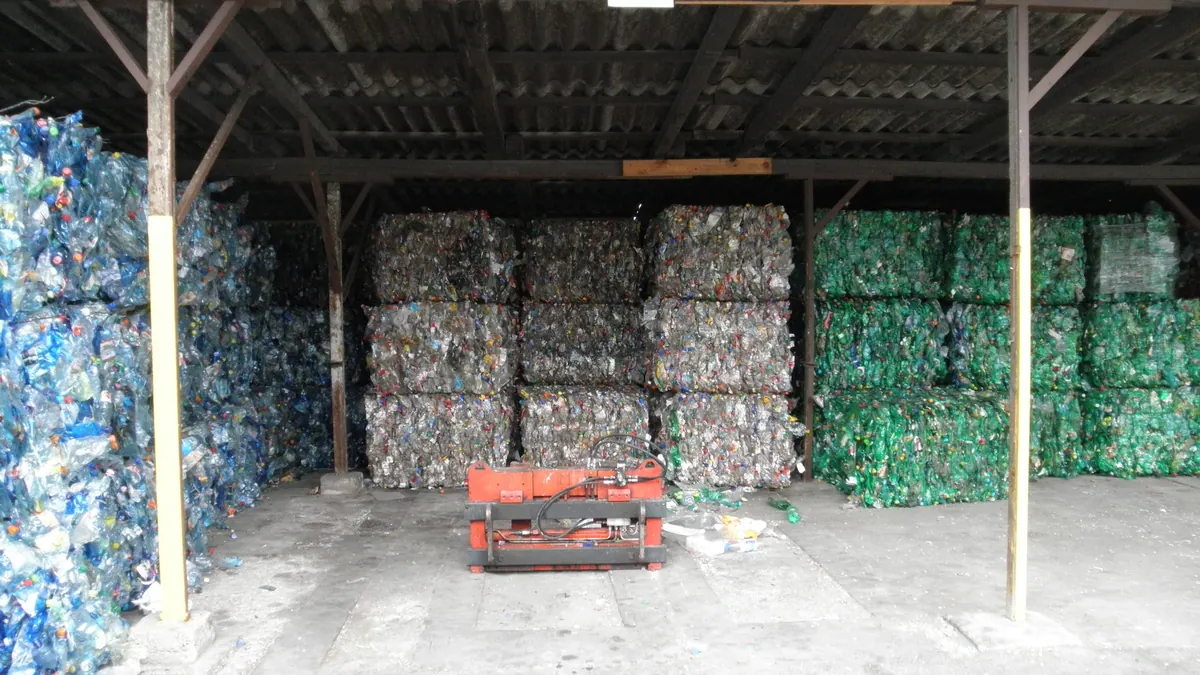
- Justification of need. The investor should show that the capacity of the incineration plant corresponds to the stream of residual waste after separate collection and recycling, and does not compete with recycling. Waste management plans indicate how much waste will need to be managed in meeting the 2030–2035 targets, including the landfilling limit of 10% of municipal waste generated in 2035.
- Flexibility of capacity. An installation that is too large risks being underloaded as recycling grows; it is worth considering modules.
- Energy efficiency. A high R1 indicator and heat offtake improve the environmental argument.
- ETS costs. The prospect of including incineration plants in the emissions trading system affects the financial model.
- Consistency of documents. Funding applications must demonstrate DNSH compliance in the assessment of the documentation, and the decisions of the financing institution may differ.
The dispute over interpretation
The waste industry argues that the taxonomy does not distinguish incineration with energy recovery from disposal, and that incinerating waste that cannot be used as material is better than landfilling. Environmental organisations point out that with high incineration capacity there is a lack of incentives for waste prevention and recycling. Both sides agree that the waste hierarchy is key; they differ in their assessment of the scale of capacity needed.
What to do first
- Establish which source of financing is realistic for your location, and check the call rules for exclusions.
- Prepare a waste balance and evidence that the planned capacity concerns only the residual fraction.
- Plan the DNSH assessment together with an analysis of alternatives (recycling, anaerobic digestion, landfilling).
- Build a financial model with an ETS cost variant.
- Consult the financing institution before you design the installation.
This text is for information purposes only and does not constitute legal advice; before an investment or formal decision, check the current wording of the legislation and consult a lawyer or the competent authority.
Sources
Questions and answers
Does the EU taxonomy ban the construction of incinerators?
No. The taxonomy is not a ban but a classification system that determines whether an activity can be considered environmentally sustainable. An incinerator can be built, but it will not benefit from the preferences provided for qualifying activities.
What does the abbreviation DNSH mean?
“Do no significant harm” is the principle of not causing serious damage. An investment financed with EU funds must meet its main objective without causing significant harm to the other environmental objectives, including the circular economy.
Related articles