The Green Deal Investment Plan: EUR 1 trillion and the Just Transition Mechanism
The Commission announced the mobilisation of at least EUR 1 trillion of investment over the decade and presented the Just Transition Mechanism with the Just Transition Fund.
Other language versions: polski.
On 14 January 2020 the European Commission presented the Green Deal Investment Plan (COM(2020) 21), whose aim is to mobilise at least EUR 1 trillion of sustainable investment over the decade. Part of the package was the Just Transition Mechanism, designed for the regions that will feel the move away from fossil fuels most strongly — including Polish coal regions.
What the plan covers
The investment plan answers the question of where to find the money for the goals adopted in the Green Deal. It rests on three pillars:
- financing — use of the EU budget (including the future 2021–2027 multiannual budget), national and private funds, and guarantees under the InvestEU programme;
- the investment environment — incentives for public and private investors, including common rules on sustainable investment (the taxonomy) and green public procurement;
- practical support — technical assistance for public authorities and project promoters to facilitate the preparation of projects.
The Just Transition Mechanism is to support the regions and sectors most dependent on fossil fuels and high-emission processes. It assumes the mobilisation of at least EUR 100 billion in 2021–2027, and one of its elements is the Just Transition Fund. Poland was among the countries for which the initial allocation was one of the largest.
Significance for biogas and waste
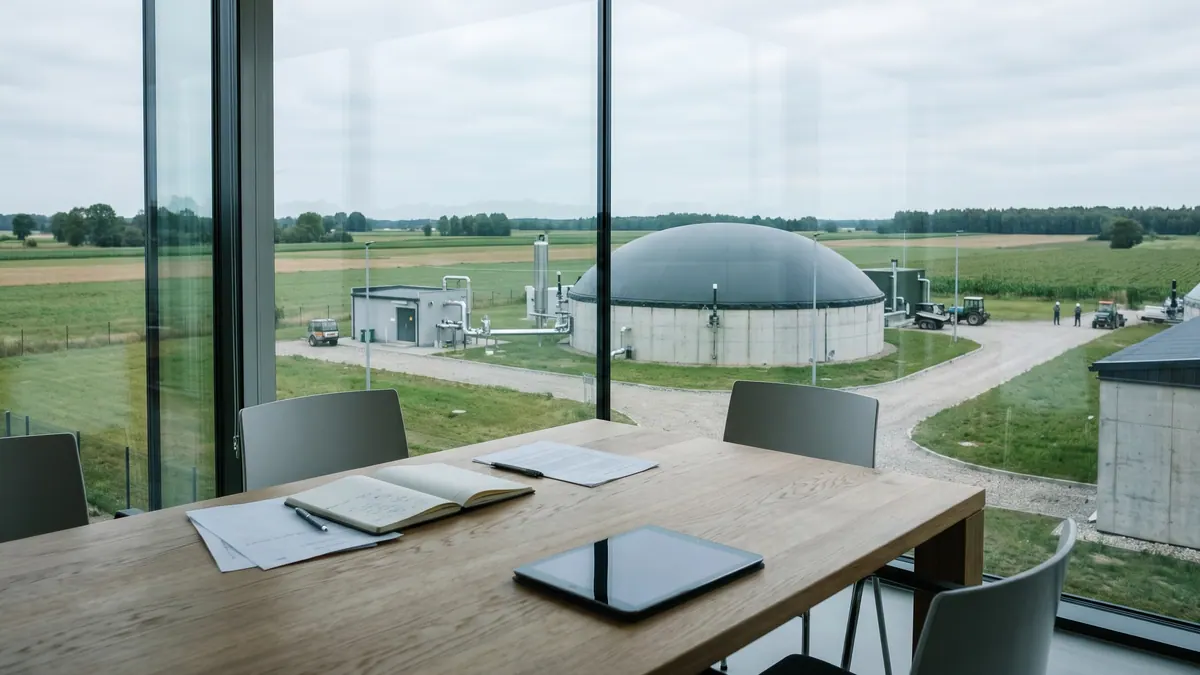
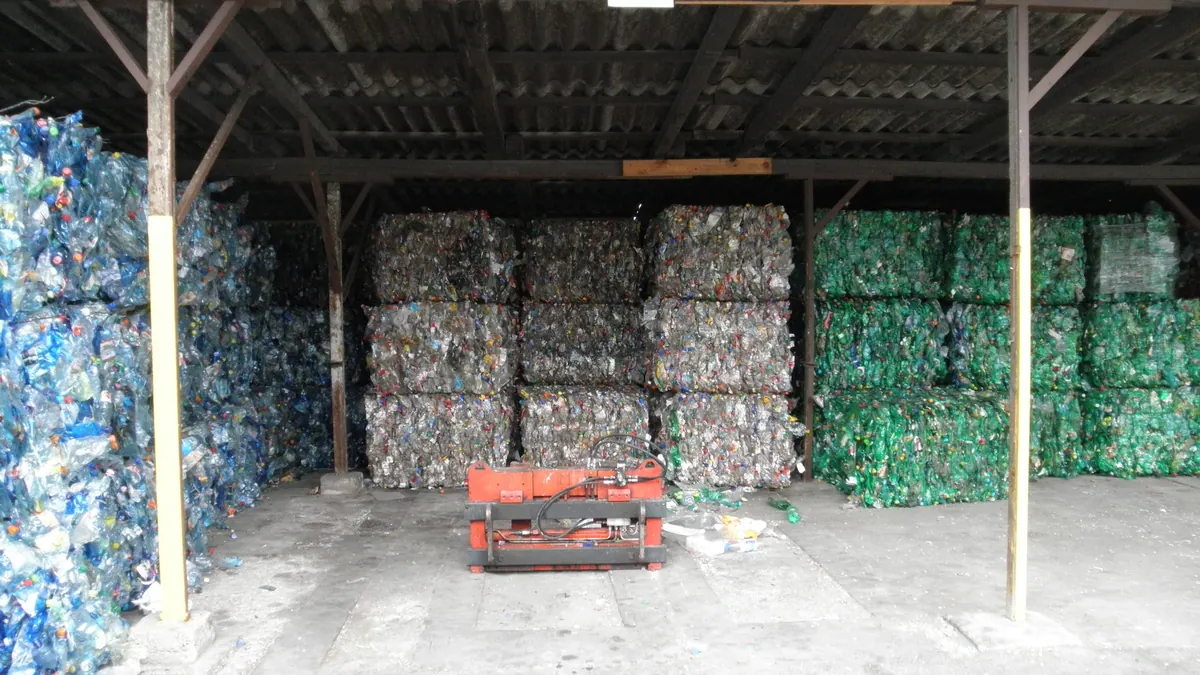
The plan in itself does not finance specific biogas plants, but it creates a framework within which such projects can apply for support. Investment in renewable gases, the circular economy, waste treatment and distributed energy falls within the catalogue of sustainable activities. For mining regions such as Silesia or Lesser Poland, the development of local energy sources and waste processing is sometimes one of the proposals for diversifying the economy.
An ancillary aspect is also important: the plan provided for advisory support for local governments and other public bodies, which are often investors in waste management and in installations processing biowaste, and which do not have their own teams to prepare complicated applications.
What next
The plan still required negotiations in the European Parliament and the Council, especially on the multiannual budget and the size of allocations for individual states. The details of the distribution of Just Transition Fund resources and the rules for using InvestEU were to be worked out in the following months. For investors it was important whether projects from the biogas and waste sector would be explicitly named in the support rules, or would have to compete with other low-carbon technologies.
What the plan did not settle
The communication did not indicate what part of the investment would go to individual technologies or how funds would be divided between states. This was left to the budget negotiations. For the biogas industry this meant that the actual chances of co-financing depended on national and regional programmes that were yet to be created on the basis of EU funds.
Sources
Related articles