Waste and circular economyEvent
EU summit: the budget, the recovery fund and the levy on non-recycled plastic packaging waste
On 21 July 2020 EU leaders agreed the multiannual budget and Next Generation EU. A new source of revenue will be a levy of EUR 0.80 per kilogram of non-recycled plastic packaging waste.
Other language versions: polski.

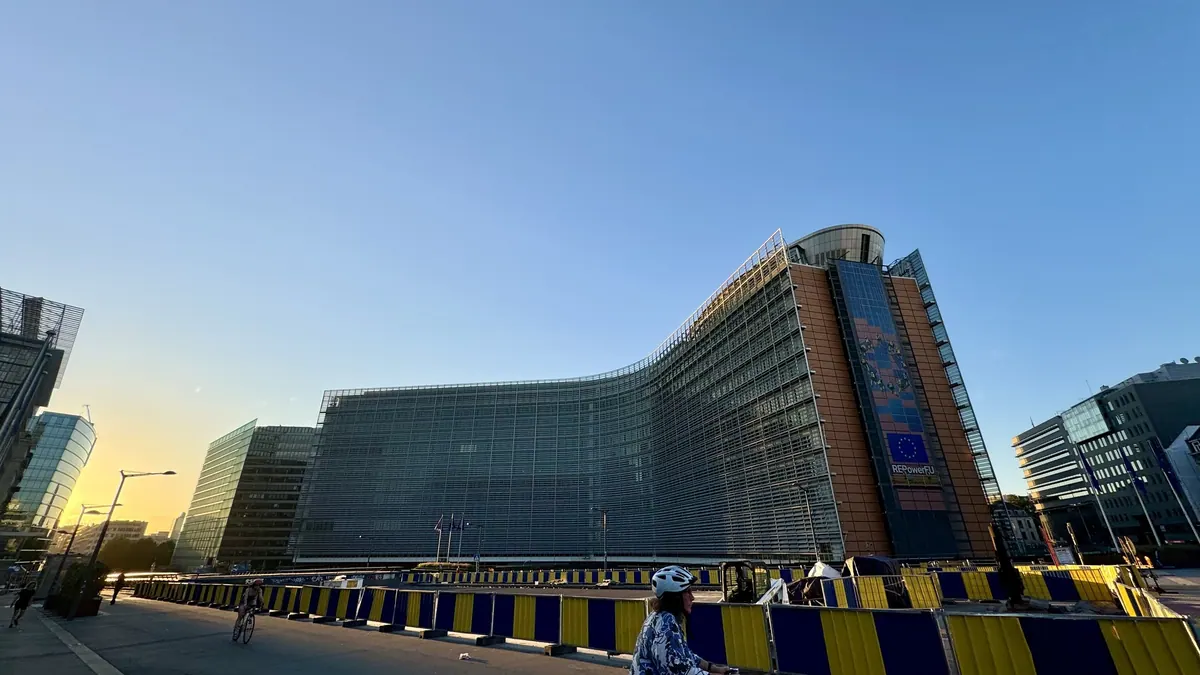
On 21 July 2020 the European Council ended a five-day summit with an agreement on the EU multiannual budget for 2021–2027 and the Next Generation EU recovery instrument, worth EUR 750 billion: EUR 390 billion in grants and EUR 360 billion in loans. For the waste sector it is significant that among the new sources of budget revenue is a levy on non-recycled plastic packaging waste.
What was agreed
The most important findings of the leaders:
- Next Generation EU — EUR 750 billion, of which EUR 390 billion in the form of grants and EUR 360 billion in the form of loans, financed by Commission borrowing on the capital markets;
- the 2021–2027 multiannual budget — agreed together with the recovery instrument;
- climate goals — at least 30% of expenditure is to support climate action;
- the Just Transition Fund — intended for the regions most dependent on fossil fuels, at the level of EUR 17.5 billion;
- own resources — the introduction from 1 January 2021 of a levy on non-recycled plastic packaging waste of EUR 0.80 per kilogram, with a mechanism to mitigate the effects for lower-income states.
The levy on plastic waste
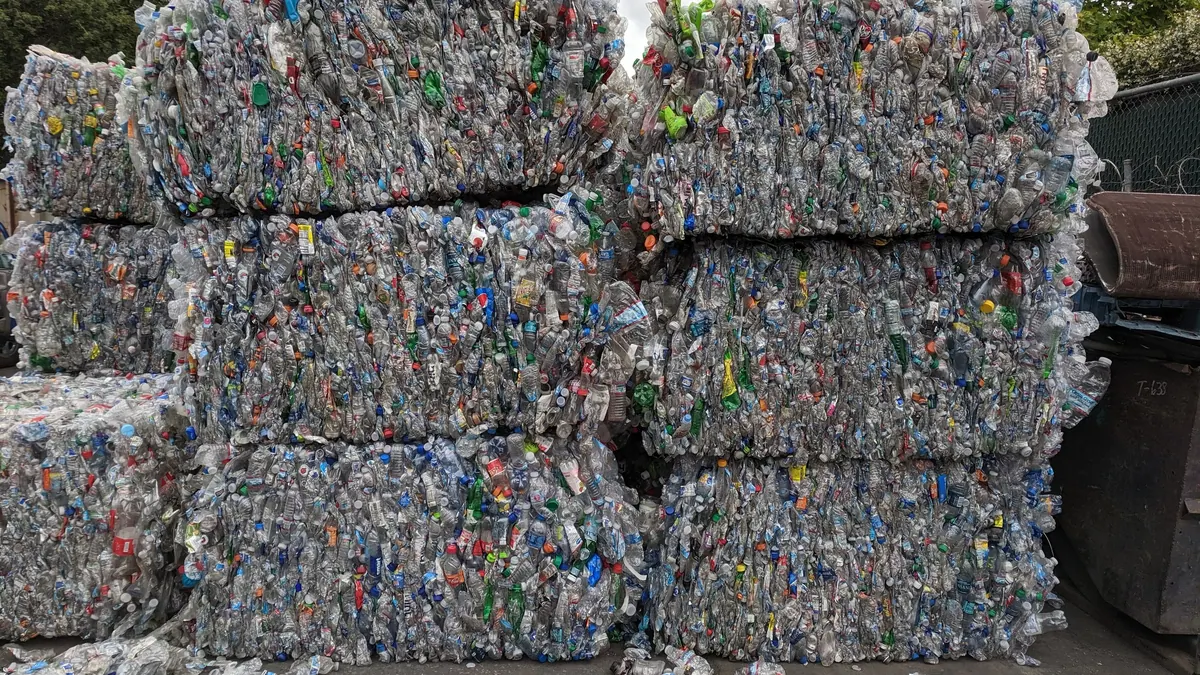
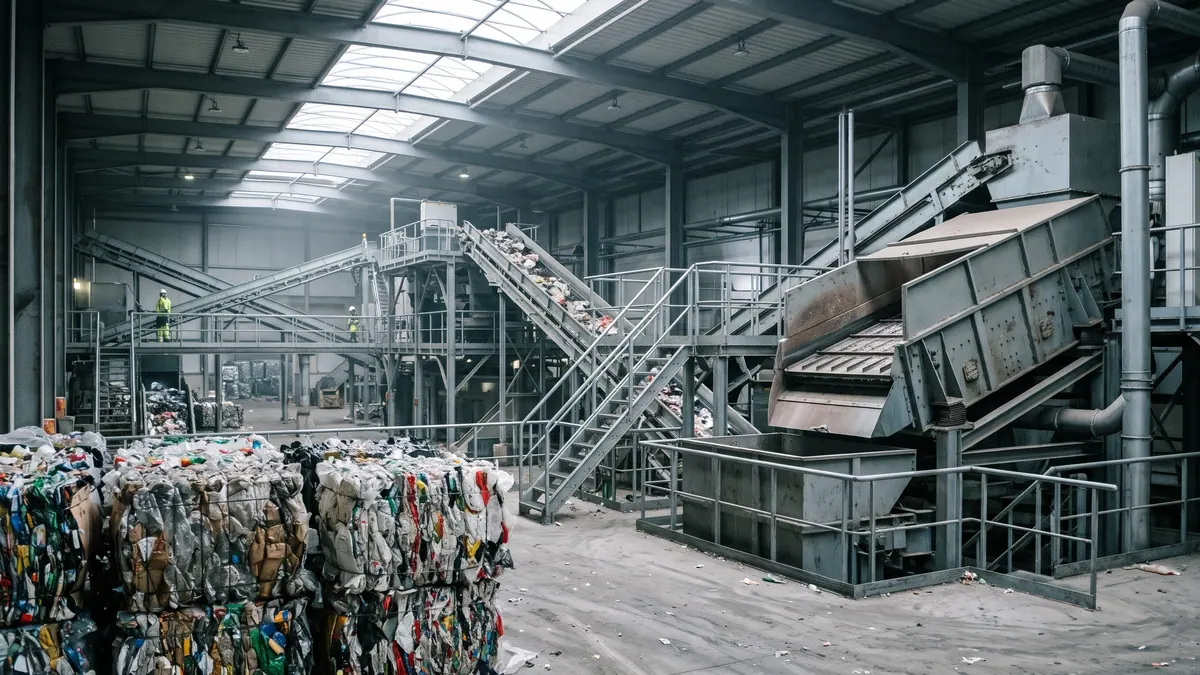
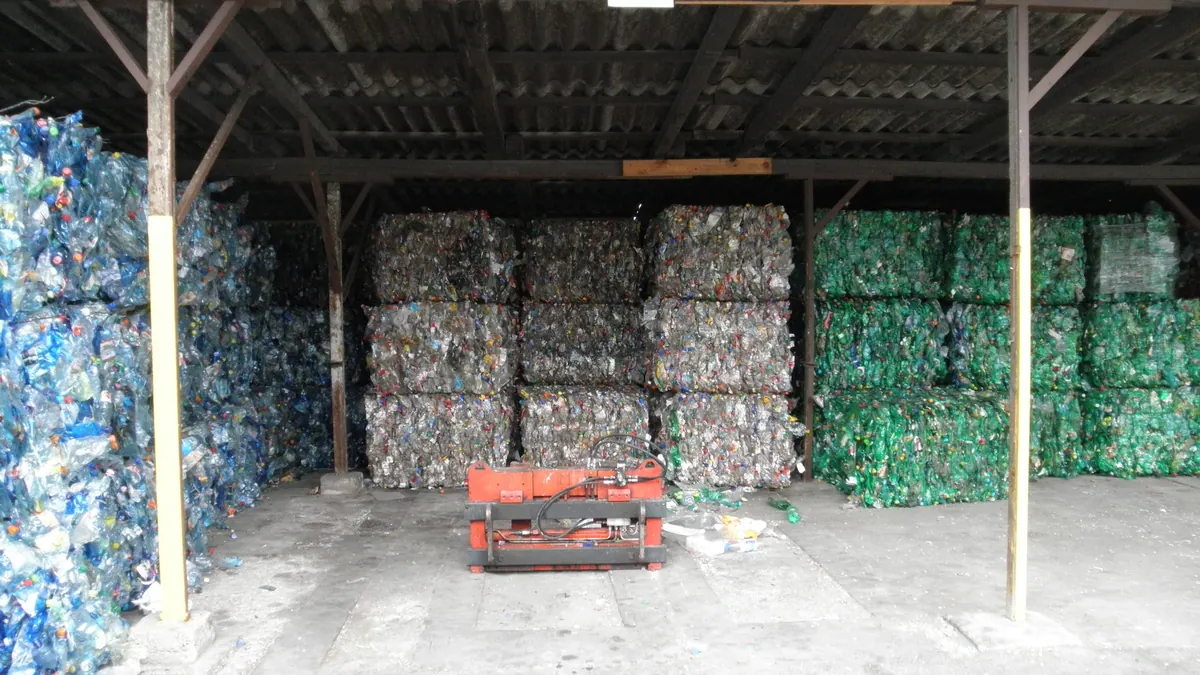
The levy concerns plastic packaging that has not been recycled. It is paid by Member States from national budgets, but the rules do not dictate how it is to be passed on to businesses or municipalities. It is meant to motivate increased recycling and a reduction in the use of single-use packaging. For Member States this meant an additional incentive to expand separate collection and sorting installations.
Significance for the waste and energy sector
The agreement does not directly concern biogas, but it affects the financial and regulatory environment. The recovery fund is to support investment in the circular economy and renewable energy, and the plastics levy — strengthen the case for modernising waste systems. For installations processing biowaste this means growing pressure on the quality of separate collection, because contamination with plastics lowers the value of the feedstock.
What next
The agreement still required the consent of the European Parliament and the ratification of the own resources decision in the Member States. Also key was the linking of payments to the rule of law, on which a separate debate was under way. For Poland and other states the most important thing became the preparation of national recovery plans and the identification of investments that could benefit from the funds.
How the plastics levy works
The levy is calculated on the difference between the mass of plastic packaging waste generated and the mass of waste that has been recycled. This means that every kilogram of packaging sent for recycling reduces the state's contribution. States do not have to pass the cost on to municipalities or businesses, but the very design gives an incentive to develop the extended producer responsibility system and to reduce single-use packaging.
Sources
Related articles