Waste and circular economyExplainer
The deposit return system in Poland: how it works from 1 October 2025 — deposits, shops, operators
From 1 October 2025 a deposit of 50 gr is paid for PET bottles up to 3 l and cans up to 1 l, and PLN 1 for reusable glass bottles up to 1.5 l. We explain the rules, shop obligations and the 2026 changes.
Other language versions: polski.
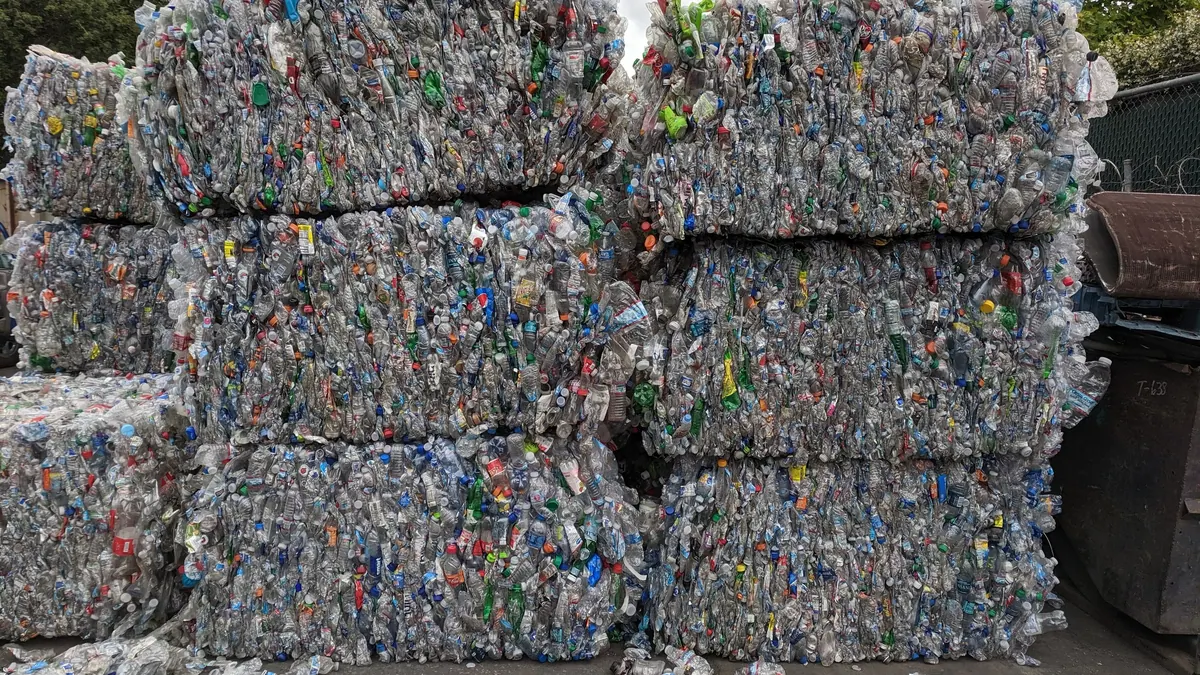

The deposit return system in Poland has operated since 1 October 2025: when a beverage is bought in packaging bearing the system mark, a deposit is charged — 50 gr for a PET bottle up to 3 l and a metal can up to 1 l and PLN 1 for a reusable glass bottle up to 1.5 l — and it is refunded when the empty packaging is returned at any collection point, without a receipt. According to the Ministry of Climate and Environment, 2.3 billion packages had returned to the system by the end of June 2026.
Legal basis
The deposit return system was introduced by an amendment to the Act of 13 June 2013 on packaging and packaging waste management (the Act of 13 July 2023), supplemented by the Act of 21 November 2024 and a further one of 9 January 2026. The EU basis is Directive 2019/904 (SUP), which requires separate collection of plastic bottles. The amount of the deposit is set by the regulation of the Minister of Climate of 8 July 2024.
What the system covers
| Packaging | Deposit |
|---|---|
| plastic (PET) bottles up to 3 l, together with caps | 50 gr |
| metal cans up to 1 l | 50 gr |
| reusable glass bottles up to 1.5 l | PLN 1 |
The obligation to achieve separate collection levels does not apply to those placing on the market beverages that are milk, yoghurt or another drinkable dairy product. Packaging in the system bears the deposit return system mark; in the transitional period (until stocks ran out, but no later than the end of 2025) beverages of the same company could appear in packaging with and without a deposit.
Who collects packaging
- Shops over 200 m² that offer beverages in packaging covered by the system are mandatory collection points.
- Shops up to 200 m² collect packaging if they have joined the system or sell beverages in reusable glass bottles (mainly beer).
- Reverse vending machines and other collection points, also outside shops.
- The operator (the representing entity) must provide at least one stationary collection point in every municipality.
All retail units offering beverages in packaging covered by the system charge the deposit, regardless of floor area — what counts is the product, not the shop’s profile. The Ministry recommends not crushing packaging before returning it.
Operators and financing
The operators are representing entities, created by those placing beverages on the market, which organise the collection, pick-up, transport and settlement of deposits. The Act allows several operators. The system is financed by those placing beverages on the market (in line with the EPR principle), as well as by unreturned deposits and the sale of recycled materials; funds from unclaimed deposits and from the sale of raw materials are allocated to financing the system.
Settlement of deposits
Those placing beverages on the market who participate in a given system pass the collected deposit to the representing entity by the following deadlines: by the 7th day of the month for the period from the 15th to the last day of the previous month, and by the 21st day of the month for the period from the 1st to the 14th day of the month. An entity that has refunded the deposit to the end user receives a refund from the representing entity that took the packaging from it. Thanks to this the shop does not finance the system out of its own pocket.
Targets
Producers are to achieve separate collection of packaging at the level of 77% in 2025 (and until 2028) and 90% from 2029. For single-use plastic bottles (with caps) a minimum recycled content share applies: 25% from 2025 and 30% from 2030.
Changes from 2026
The Act of 9 January 2026 changed several key rules:
- for beverages in reusable glass bottles (item 3 of Annex 1a) joining the deposit return system created by a representing entity is voluntary until 31 December 2028 — a producer may instead run its own collection system for these bottles and achieve the levels independently; PET bottles and cans remain in the deposit return system;
- in its own system a shop selling such beverages is to accept empty bottles and return the amount, without a requirement to show proof of purchase;
- businesses that created their own collection system for reusable bottles before the entry into force of the 2023 Act may run it on the existing rules until 31 December 2028, after notifying the minister of the intention by 31 March 2026.
A producer that has not joined the deposit return system and does not achieve the required levels pays the product fee; check the current text of the packaging act for the detailed rules on how it is calculated.
What this means for waste
For the waste industry the system means the expected shift of PET bottles and cans from municipal streams into a separate, high-quality stream of raw materials. Packaging waste from the system is treated as packaging waste from households (for the purpose of fulfilling the obligation under Article 20(4) of the packaging act), and the recycling confirmation document (DPR) for waste solely from the deposit return system is prepared by the recycler at the request of the representing entity through a BDO account.
Typical pitfalls
- returning packaging without the system mark — you will not recover the deposit;
- small shops do not know that selling beer in returnable glass bottles also obliges them to accept packaging;
- producers do not distinguish the deposit return system from their own collection system.
What to do first
- Shop: check the floor area, the beverage range and the status of joining the system.
- Beverage producer: join the operator’s system (PET bottles and cans remain in the deposit return system); only for beverages in reusable glass bottles can you run your own collection system until 31 December 2028; mind the notification deadlines.
- Consumer: return packaging bearing the mark, without crushing it.
This text is for information only and does not constitute legal advice; before an investment or formal decision, check the current wording of the regulations and consult a lawyer or the competent authority.
Sources
Questions and answers
Is a receipt needed to return packaging?
No. According to the ministry's communication, a receipt is not required when returning packaging to reclaim the deposit, and packaging should not be crushed before it is handed in.
Will I get a deposit back for packaging without the deposit scheme mark?
No. The deposit can be reclaimed only for packaging bearing the deposit scheme mark. During the transitional period until the end of 2025, shops could stock one company's drinks both in packaging with a deposit and without one.
Related articles