Waste and circular economyEvent
Commission proposes a packaging regulation (PPWR): reduction targets, deposits and compostable packaging
On 30 November 2022 the European Commission proposed a regulation on packaging and packaging waste (PPWR): reduction targets, recycling requirements, deposit return systems and rules for compostable packaging.
Other language versions: polski.
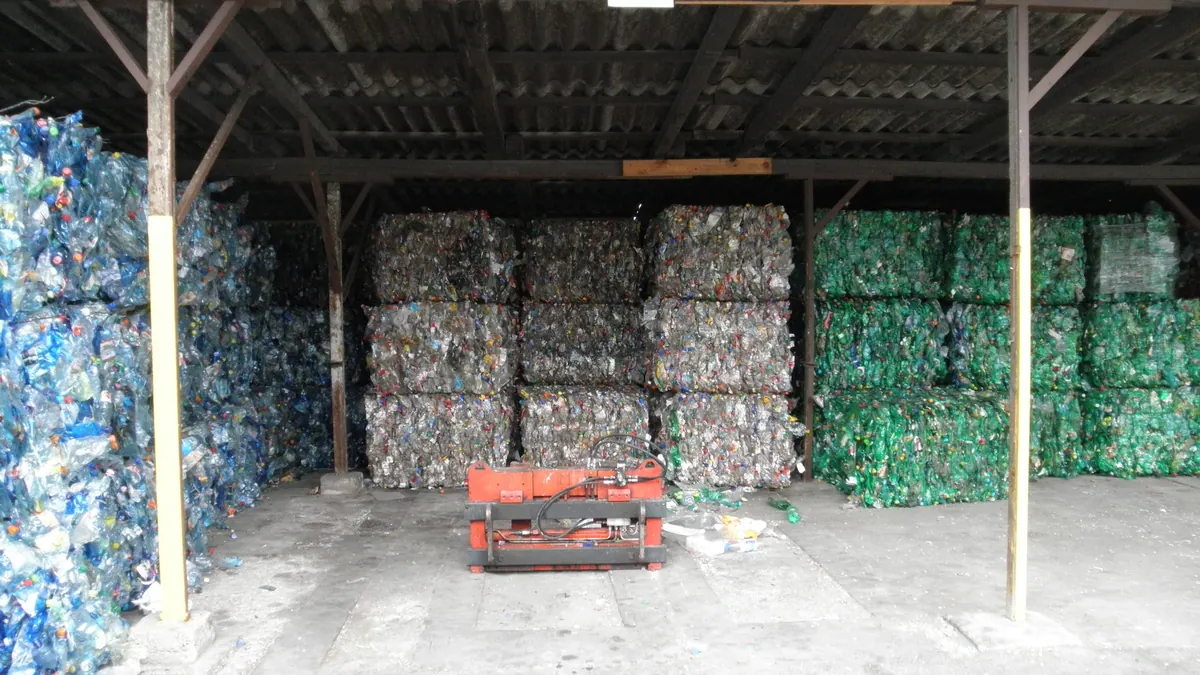

On 30 November 2022 the European Commission proposed a regulation on packaging and packaging waste (PPWR), which is to replace Directive 94/62/EC. The proposal introduces targets for reducing packaging waste per capita (5% by 2030, 10% by 2035 and 15% by 2040), packaging recyclability criteria, requirements on the share of recycled content in plastic packaging, an obligation to introduce deposit return systems for plastic bottles and metal cans, and rules for biodegradable and compostable packaging. It is one of the biggest legislative challenges in the area of waste management.
What is changing
A regulation, unlike a directive, applies directly in all Member States, which is meant to harmonise the rules on the internal market. The proposal covers, among other things:
- targets for reducing packaging waste and restrictions on selected single-use packaging,
- an obligation for all packaging to be recyclable, according to criteria set in implementing acts,
- a minimum share of recycled material in plastic packaging,
- deposit return systems for single-use plastic bottles and metal cans, unless a country achieves a high level of separate collection,
- a compostability requirement for certain packaging, e.g. tea bags, coffee pods and stickers on fruit and vegetables.
The rules on compostable packaging are particularly important for the biowaste sector, because such packaging ends up in the biowaste stream together with kitchen waste.
Significance for the industry in Poland
For Poland the proposal means the need to adapt the packaging management system, including the deposit return system, on which legislative work is under way. For installations processing biowaste, composting plants and biogas plants, what matters is that the introduction of compostable packaging changes the composition of the stream and requires verification of whether such packaging actually decomposes in industrial processes.
Biowaste fermentation plants have long struggled with contamination by waste, especially films and packaging. Clear rules on the labelling and certification of compostable packaging may make the work easier, provided they are actually enforced.
Links with biogas
The packaging regulation is linked with biogas in two ways. First, better separate collection and deposits limit the contamination of biowaste with plastics and metals, which facilitates fermentation and improves the quality of digestate. Second, compostable and biodegradable packaging changes the composition of the stream reaching a composting plant or biogas plant; operators must know how such materials behave in their technology and what tests confirm it.
What next
The proposal goes to the European Parliament and the Council, and the discussion of the details will take at least a year. The waste industry and packaging producers will lobby for, among other things, changes concerning reuse, the definition of recycling and deadlines. Operators of biowaste installations should follow the provisions on compostability, because they may affect feedstock quality and processing costs.
Sources
Related articles