Waste and circular economyEvent
The deposit return system in Poland launched on 1 October 2025. Rules and the first days
On 1 October 2025 the deposit return system for PET bottles up to 3 l and cans up to 1 l started in Poland; the deposit is 50 groszy, and PLN 1 for reusable glass bottles. Shops above 200 m² must accept packaging.
Other language versions: polski.
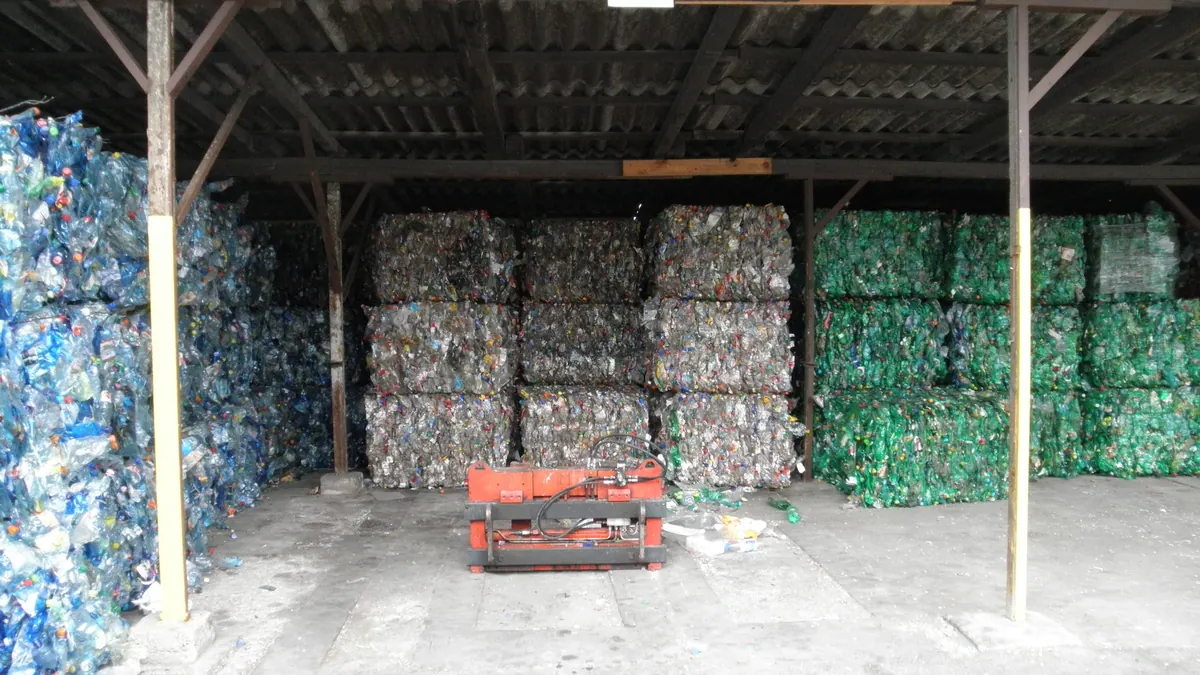

In Poland a deposit return system has applied since 1 October 2025. Consumers pay a deposit when buying a drink in packaging covered by the system and get it back by returning the empty container to a shop. The Ministry of Climate maintained to the end that the launch would take place according to schedule, despite concerns from part of the industry. For waste management it is the biggest change in packaging collection for years.
What the system covers
According to the descriptions presented before the launch, the system applies to:
- PET plastic bottles up to 3 l and metal cans up to 1 l – a deposit of 50 groszy,
- reusable glass bottles up to 1.5 l – a deposit of PLN 1.
Under the rules, shops with an area above 200 m² must accept packaging covered by the system from the first day. Smaller shops may join voluntarily; if they sell drinks in PET or cans, they must at least collect the deposit, and returns are optional. Shops selling drinks in reusable glass must collect and return the deposit and take back empty bottles. The system is managed by operators – in mid-July 2025 the Minister of Climate granted permits to seven entities. It is financed by drinks producers under extended producer responsibility; uncollected deposits go to the operator.
The assumed targets are 77% separate collection of packaging in 2025 and 90% from 2029. The first three months were set as a transitional period, during which packaging marked with the new symbols will be placed on the market gradually.
Why this matters
The deposit return system implements the EU Single-Use Plastics Directive (of 2019), which requires collection of 77% of bottles by 2025 and 90% by 2029. Its main advantage is the high quality of the collected material: PET bottles and cans arrive separately, without contamination by bio-waste, which improves the profitability of recycling. At the same time, taking valuable fractions out of the municipal waste stream changes the economics of municipal systems, because revenue from selling the material is lost.
Significance for the industry in Poland
For operators of installations processing municipal waste and bio-waste, the deposit return system means that the share of bottles and cans in mixed waste and in separate-collection bins will fall. For bio-waste biogas plants this is beneficial: less packaging contamination hindering unpacking and the work of agitators. For municipalities it is important how waste collection fees will be recalculated, given that part of the fractions will go to a separate cycle.
It is also worth noting that the new system operates in parallel with the reform of extended producer responsibility for packaging resulting from the EU PPWR regulation.
What to watch
In the first months the key points will be: the availability of machines and return points, the level of handling fees for shops (operators offered 3–10 groszy per bottle for manual collection and 10–12 groszy for machines; the Polish Chamber of Commerce considered these rates too low), and also certainty that producers label packaging correctly. Consumers should check the system symbol on the label.
Sources
Related articles