Waste and circular economyEvent
Sejm passes the deposit return system act: deposit of up to PLN 2, collection targets of 77–90%
The act of 13 July 2023 introduces a deposit return system in Poland for plastic bottles, cans and returnable glass bottles: a deposit of up to PLN 2, collection levels from 77% in 2025 to 90% in 2029.
Other language versions: polski.
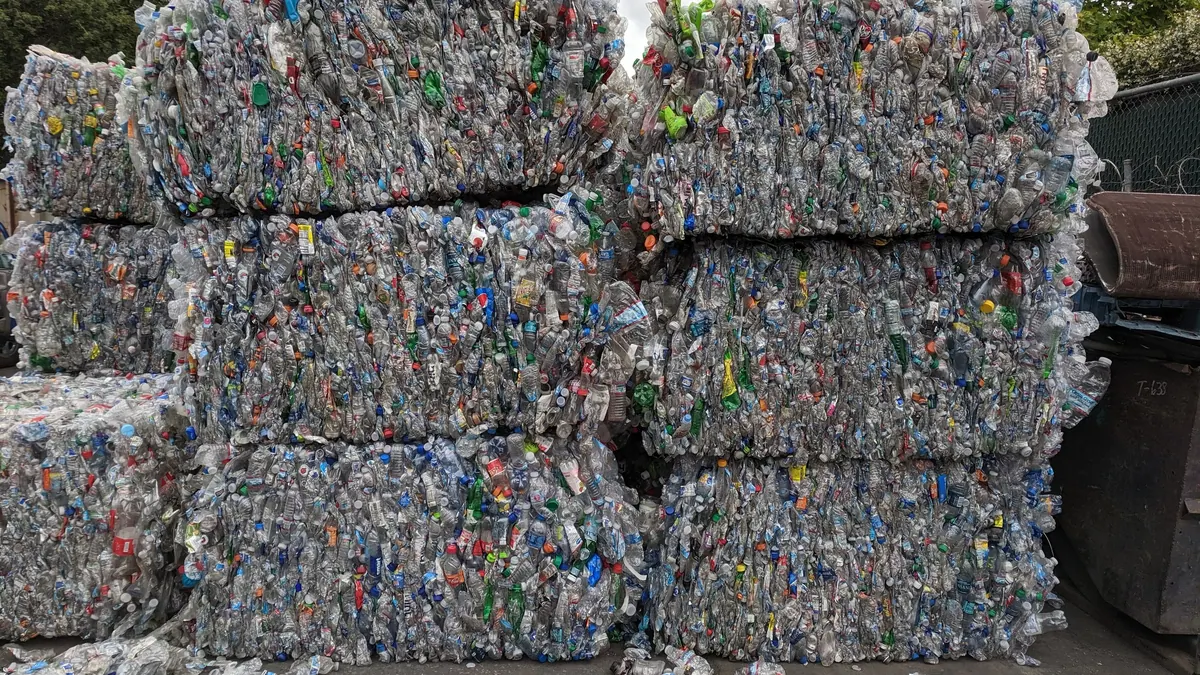

The act of 13 July 2023 amending the act on packaging and packaging waste management and certain other acts introduces a deposit return system in Poland. It covers single-use plastic bottles of up to 3 l (including caps), single-use metal cans of up to 1 l and returnable glass bottles of up to 1.5 l. The maximum deposit is PLN 2 per package, and the minimum separate collection levels rise from 77% in 2025 to 90% from 2029. The system is meant to improve the quality and quantity of recycled raw materials and to reduce littering.
What is changing
The act provides for several solutions:
- Operator: the entity representing producers must be a joint-stock company with its registered office in Poland, owned by producers or their organisations, with share capital of at least PLN 5 million; it needs a permit from the minister responsible for climate for a period of no more than 10 years.
- Collection targets: 77% (2025), 81% (2026), 84% (2027), 87% (2028) and 90% (from 2029) – for plastic bottles, cans and returnable glass bottles.
- Deposit: no more than PLN 2; charged on sale and refunded on return; proof of purchase is not required.
- Shops: outlets of more than 200 m² are obliged to accept returns; smaller ones may join the system voluntarily; shops of more than 2000 m² also collect other packaging.
- Fees: a product fee applies for failing to meet the targets, up to a maximum of PLN 25/kg; penalties for breaches range from PLN 500 to PLN 1,000,000.
The act also introduces changes to value added tax (VAT), to the waste rules and to the rules on keeping municipalities clean.
Significance for the industry in Poland
The deposit return system matters for the whole of waste management, including biowaste. Effective collection of bottles and cans in a separate stream reduces the amount of packaging in mixed waste and in dry-fraction containers and improves the quality of the raw material. Fewer contaminants in waste streams is a benefit for sorting plants, recycling installations and, indirectly, for installations processing biowaste, where foil and metal contaminants lower the quality of compost and digestate.
For local authorities, the change means a smaller stream of packaging waste and the need to update municipal systems.
What to pay attention to
Businesses should check whether their products are covered by the system, whether they have concluded agreements with the operator and whether their data in the Database on Products and Packaging and on Waste Management (BDO) are up to date. Shops should prepare return logistics and labelling. It is also worth getting to know the transitional provisions, which specify until when existing systems may operate and how to account for packaging placed on the market before 2025.
What next
The act will go to the Senate, then to the President, and will then be published. After it enters into force, the climate ministry will issue implementing regulations, including on the amounts of the deposit, and producers will begin setting up the system operator.
Sources
Related articles