Waste and circular economyAnalysis
Challenges for recycling and waste management in Poland: EPR, infrastructure and new waste streams
Growing waste volumes, infrastructure gaps, illegal landfills and new streams (batteries, photovoltaics) are the main challenges. An overview of the tools: EPR, the deposit return system and the Batteries Regulation.
Other language versions: polski.

The Polish waste management sector is struggling with several parallel challenges: waste volumes are rising, and infrastructure and law enforcement are not keeping pace, so environmental education alone is not enough; systemic mechanisms are needed. The overview below describes them as of information from October 2023.
Growing waste volumes and product design
Consumption, the growth of online retail and a culture of disposability mean that, despite educational campaigns, the amount of waste remains high. Many products are not designed with recycling in mind: multi-material packaging and composites make sorting and processing difficult. The response is ecodesign rules and extended producer responsibility (EPR): manufacturers and importers finance the collection and recycling of the products they place on the market, and fee rates can reward products that are easier to process. The legal status of EPR in Poland is described in the article Extended producer responsibility (EPR) in Poland. For beverage packaging, the amendment of 13 July 2023 provides for a deposit return system, implementing Directive 2019/904.
Infrastructure gaps
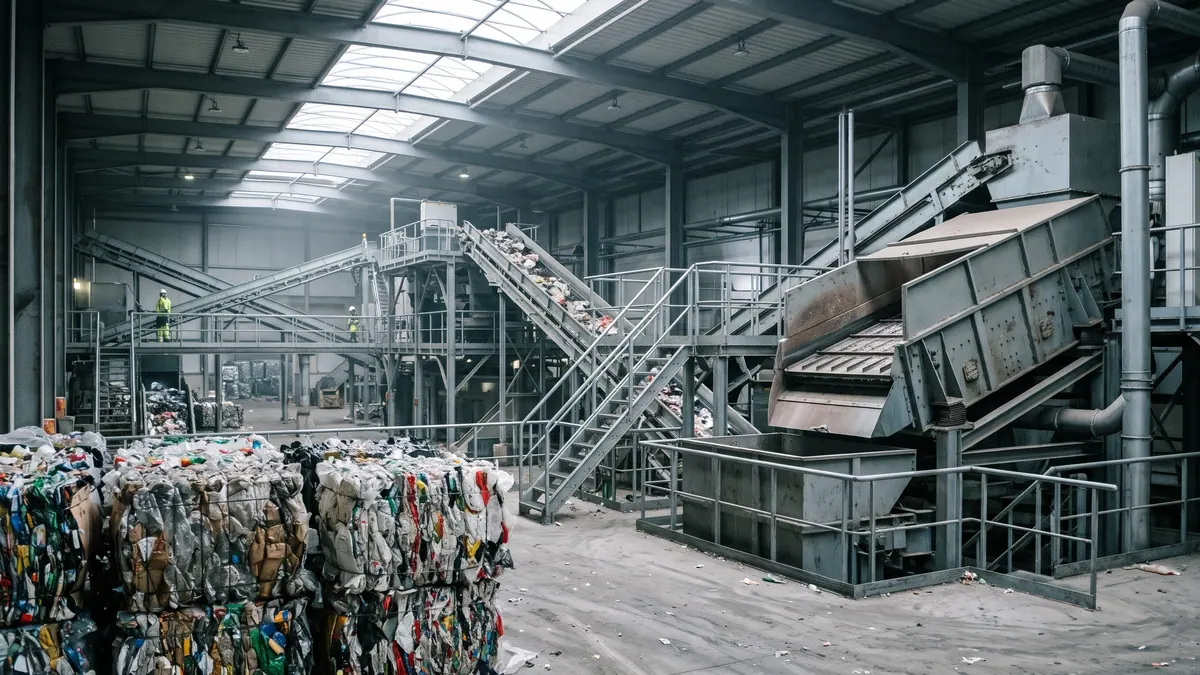
Modern sorting plants with automatic material recognition are lacking, and some facilities run on outdated solutions. The shortage of facilities for processing organic waste is particularly acute. Composting plants and biogas plants could make use of a significant share of biodegradable waste as energy and fertiliser; in the meantime part of the organic fraction still ends up in landfills, where it decomposes anaerobically, emitting methane. The plan for the network of municipal facilities (formerly RIPOK) and its role: RIPOK and WPGO.
Law enforcement and illegal landfills
The legal system is extensive, but effectiveness depends on inspections. The reasons cited for the persistence of illegal landfills include an insufficient number of inspectors, penalties disproportionate to potential profits and lengthy administrative procedures. Modern monitoring tools help (drones, satellite imaging, tracking waste transport in the waste database (BDO)). The consequences of neglect are illustrated by the article Fires at landfills and illegal waste stores.
New streams
The growing number of electric vehicles, energy storage systems and photovoltaic installations means new waste streams requiring specialised processing. Lithium-ion batteries contain valuable raw materials (lithium, cobalt, nickel, manganese), and their recovery is important both environmentally and strategically. The European Union regulated the subject in Regulation (EU) 2023/1542 on batteries, adopted in 2023, which sets out, among other things, requirements for collection, recycling and recycled content. Photovoltaic panels and wind turbine blades have yet to see recycling chains built on a larger scale.
Organic waste as an opportunity
The organic fraction is a particular opportunity: kitchen waste and residues from food processing and catering can be converted into biogas and digestate (which can be used as fertiliser once legal requirements are met) through methane fermentation. A BMP test makes it possible to estimate the energy potential of specific wastes (What is a BMP test). Poland, as a country with a strong agri-food sector, has large resources of substrates whose proper management could at the same time solve part of the waste problem, improve energy security and reduce emissions.
Conclusions
- Increasing education alone will not stop the growth in waste volumes without systemic tools (EPR, ecodesign, the deposit return system).
- Infrastructure must be built in parallel with separate collection, especially for bio-waste.
- Law enforcement and monitoring are as important as the regulations.
- New streams (batteries, PV) need planning before they become mass-scale.
Where to look for further data
For a reliable assessment of progress, it is worth using official statistics: Eurostat (recycling and landfilling rates), Statistics Poland (GUS) (the quantity and manner of waste management), the waste database (BDO) register and the reports of the Chief Inspectorate for Environmental Protection (GIOŚ). Rates calculated under national rules for municipalities may differ from the data reported to Eurostat, which should be borne in mind in international comparisons. A summary of current targets and data is given in a separate article, Recycling and landfilling rates for municipal waste.
The role of consumers
Consumers influence the system through purchasing choices (products in recyclable packaging, repair instead of replacement) and through reliable segregation. Without properly segregated waste even the best sorting plant achieves lower results, so education remains a complement to, not a substitute for, systemic solutions.
Sources
Questions and answers
What is extended producer responsibility (EPR)?
Extended producer responsibility (EPR) is the principle that producers and importers who place products on the market are financially and organisationally responsible for managing the waste from them, e.g. packaging, after the end of use.
Related articles