Waste and circular economyEvent
The transposition deadline for the EU waste package passes: recycling targets and biowaste in national law
On 5 July 2020 the transposition deadline for Directives 2018/849–852 expired. The package introduces recycling targets of 55/60/65%, a landfill limit of 10% and an obligation to collect biowaste separately by the end of 2023.
Other language versions: polski.
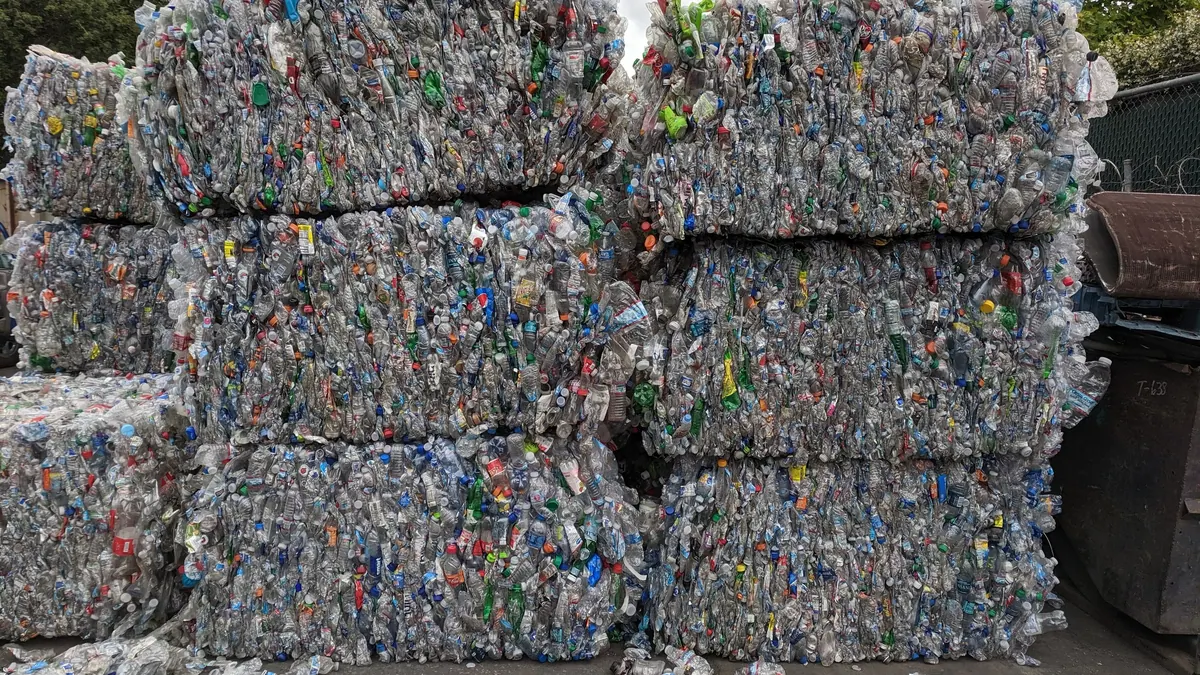

On 5 July 2020 the deadline expired by which Member States were to transpose the 2018 package of waste directives into national law. Directive (EU) 2018/851 amended the Waste Framework Directive, Directive (EU) 2018/850 the rules on landfilling, and Directive (EU) 2018/852 the rules on packaging. The package sets new, higher recycling targets and an obligation of separate collection of biowaste, which is of direct significance for digestion and composting plants.
The most important changes
For municipal waste, rising targets for preparation for reuse and recycling were set: 55% by 2025, 60% by 2030 and 65% by 2035. At the same time, the share of municipal waste going to landfill is to fall to a maximum of 10% by 2035. For packaging, recycling targets rise to 65% by 2025 and 70% by 2030.
| Area | Requirement |
|---|---|
| Recycling of municipal waste | 55% (2025), 60% (2030), 65% (2035) |
| Landfilling of municipal waste | at most 10% by 2035 |
| Biowaste | separate collection or recycling at source by 31 December 2023 |
| Textiles and hazardous household waste | separate collection from 1 January 2025 |
| Extended producer responsibility | minimum requirements for EPR schemes |
Significance for biowaste and biogas plants
The obligation of separate collection of biowaste is one of the most important changes for the biogas industry. In Poland a significant part of the organic fraction today ends up in mixed waste, and municipalities must build or expand collection systems and processing installations. Anaerobic digestion of biowaste makes it possible to produce biogas and digestate, and is often combined with composting of the residues. The growing mass of separately collected biowaste is a potential feedstock for waste-treatment biogas plants, but also a quality challenge — contaminants such as plastics can lower the value of the feedstock and the quality of the digestate.
The situation in Poland
On the day the deadline expired, national regulations had not yet been fully adapted. The draft amendments to the waste act and other acts remained in the legislative process, and local governments, waste collection companies and installation owners were waiting for the final wording of the rules. The lack of timely transposition entails the risk of the European Commission opening infringement proceedings, which usually begin with a letter of formal notice.
What next
For investors in biowaste processing, the most important questions concern the definition of biowaste, the way separate collection systems will be financed and the rules for accounting for recycling targets. Until national regulations are adopted, the planning of new installations is based on the directives, whose assumptions remain unchanged: more separate collection, less landfilling and a greater share of organic recycling.
Why deadlines matter for investors
Recycling targets and the obligation of separate collection of biowaste translate into the investment plans of municipalities and inter-municipal associations, which decide on building sorting plants, composting plants and digestion plants. The later the national rules are precisely defined, the harder it is to make firm assumptions about waste streams, and thus also about the substrate balance for waste-treatment biogas plants. The directives, however, operate independently of national delays: the targets stem from EU law and will be assessed on the basis of Member States' reports.
Sources
Questions and answers
From when has separate collection of biowaste been mandatory in the EU?
Directive 2018/851 requires biowaste to be collected separately or recycled at source (e.g. composted at home) by 31 December 2023 at the latest.
Related articles