Waste and circular economyEvent
Regional waste management plans: new regulation requires a map of installations, including biogas plants and incinerators
The Regulation of the Minister of Climate and Environment of 23 November 2023 sets out how to prepare regional waste management plans and the investment plan: a 12- and 6-year horizon, and a map of biowaste, digestion and thermal treatment installations.
Other language versions: polski.
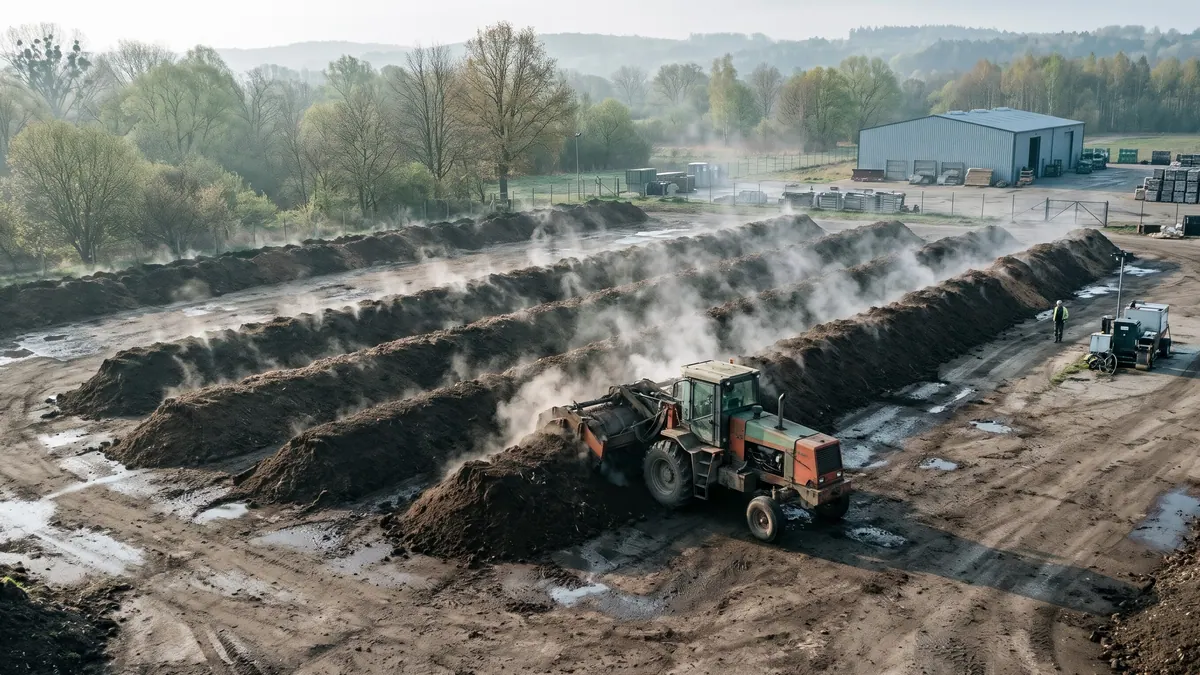
The Minister of Climate and Environment has issued a regulation on the preparation of regional waste management plans and the investment plan template (Journal of Laws (Dz.U.) 2023, item 2574). Published on 28 November 2023, it enters into force on 13 December 2023. The document defines the form and content of plans that indicate where a region sees a need for waste treatment installations. For waste-treatment biogas plants, composting plants, MBT (mechanical-biological treatment) installations and incinerators, the map in the regional plan matters because it shows where the region sees a need for investment.
What is changing
The regulation requires a regional plan to contain:
- a strategic programme for at least 12 years and an action plan for at least 6 years,
- a multi-stage procedure, repeated cyclically, including a strategic environmental assessment (or a documented decision to waive it) and public consultation,
- a map showing the location of installations, including sorting plants for separately collected waste and recycling installations for plastics, glass, paper, metals and wood,
- on the map, existing and planned installations for biowaste treatment (composting and digestion), MBT installations, landfills, thermal treatment installations for municipal waste, installations producing alternative fuels, and installations for treating medical, veterinary and hazardous waste,
- an investment plan following the template annexed to the regulation.
Plans in force on the date the regulation enters into force must be adapted within three years.
Significance for the industry in Poland
Regional plans determine which installations are "needed" in a given region, which matters when obtaining permits and funding. For investors in biogas plants processing biowaste and for composting plants, this is an important document: having an installation in the plan makes it easier to argue its case in procedures and when applying for funds. For local authorities, it is a tool that links the obligation to collect biowaste separately with the appropriate infrastructure.
Showing digestion, composting and thermal waste treatment installations in a single document makes it easier to assess whether a region strikes a balance between biological and energy-based processing.
What to look out for
Businesses planning new installations should submit their projects for consultation when plans are updated, so that they are included on the maps. It is also worth tracking the deadlines for drawing up and reviewing plans in the given voivodeship.
Why the plans matter in practice
Regional plans are the basis for assessing whether a given waste management investment matches the region's needs. They influence the issuing of permits and the eligibility of projects for funding. For a biogas plant processing biowaste, this is therefore not just a formal document but also an argument when seeking public funds.
What next
Voivodeship boards will update the plans in the coming years, taking into account the requirements of the new regulation, recycling targets and the obligation to collect biowaste separately. For the industry, this means a window to get investments in biogas plants and composting plants written into the plans.
Sources
Related articles