Waste and circular economyExplainer
Landfill ban on waste with a calorific value above 6 MJ/kg: what exactly Annex 4 says
Since 1 January 2016 selected wastes with codes 19 08 05, 19 08 12, 19 08 14, 19 12 12 and from group 20 may go to landfill only if their calorific value is below 6 MJ/kg TS. We explain the scope and the consequences.
Other language versions: polski.
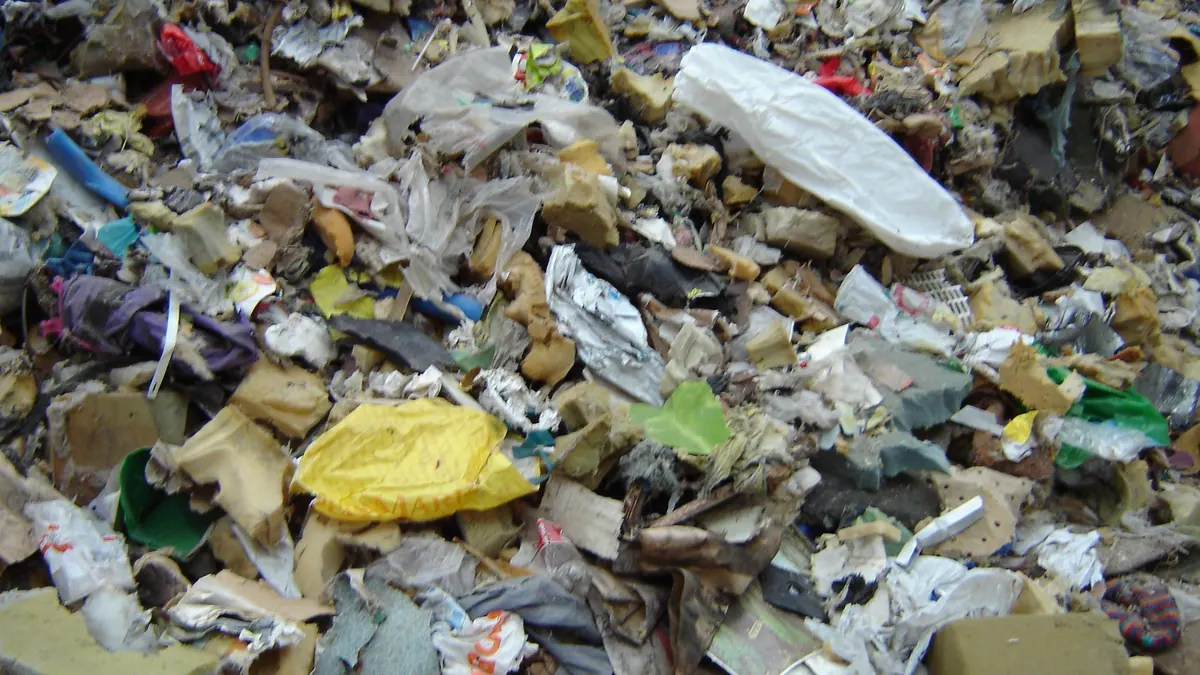

From 1 January 2016, wastes with codes 19 08 05, 19 08 12, 19 08 14, 19 12 12 and from group 20 may be landfilled in a landfill for waste other than hazardous and inert only if they meet the criteria in Annex 4 to the regulation of the Minister of Economy of 16 July 2015. One of them is a calorific value below 6 MJ/kg of dry matter. In practice this means a ban on landfilling fractions with a high calorific value; such wastes are directed to energy recovery.
Where to find the provision
The regulation on the admission of waste to landfills was issued on the basis of Article 118 of the Act on Waste (ustawa o odpadach). Its § 3(3) states that the scope of testing and the criteria for admitting wastes with the listed codes to a landfill for waste other than hazardous and inert are set out in Annex 4. That paragraph entered into force on 1 January 2016, and the rest of the regulation 14 days after publication in September 2015.
What is in Annex 4
| Parameter | Limit value |
|---|---|
| Total organic carbon (TOC) | 5% of dry matter |
| Loss on ignition (LOI) | 8% of dry matter (for code 19 08 14 from inorganic chemicals production: 30%) |
| Calorific value | 6 MJ/kg of dry matter |
Wastes outside this list of codes are subject to other annexes: inert waste — Annex 2, waste other than hazardous and non-municipal — Annex 3, hazardous waste — Annex 5, and solid, non-reactive hazardous waste — Annex 6.
What these codes are
- 19 08 05 — stabilised municipal sewage sludge;
- 19 12 12 — other wastes (including mixtures of materials) from the mechanical treatment of waste, e.g. sorting residues;
- 19 08 12 and 19 08 14 — sludges from industrial wastewater treatment (from biological treatment and from treatment other than biological, respectively), other than hazardous;
- group 20 — municipal waste, including mixed waste (20 03 01) and separately collected fractions.
Where this provision comes from and why only 2016
According to the ministry’s explanation, the criterion was introduced into the landfill regulations in mid-2007, was originally to enter into force on 1 January 2013, and the date was postponed to 1 January 2016. The aim was twofold: environmental (energy recovery is considered more beneficial than landfilling) and economic (energy production from waste). All of this fits into the waste hierarchy, in which landfilling is the last choice.
How to read “calorific value below 6 MJ/kg TS”
The value refers to dry matter, so moisture does not “improve” the result, and testing determines whether the criterion is met. The scope of the tests referred to in Article 117 of the Act is set by the regulation, and they are carried out by an accredited laboratory. For example, a fraction from sorting mixed waste, with a lot of plastics and paper, usually has a clearly higher calorific value than waste with a high share of mineral matter. That is why different batches of the same code 19 12 12 may turn out differently, and sending to landfill requires a result for the specific batch or a well-justified testing cycle.
The broader policy context
The criterion works “at the entrance” to the landfill, but it fits into the policy of reducing the landfilling of municipal waste provided for in EU law. The ban for the combustible fraction forces a direction (energy recovery instead of landfilling), while the end result is accounted for at other levels — in January 2021, for municipal waste, what mainly counts are the recycling levels and the reduction of the mass of biodegradable waste in the Act on Maintaining Cleanliness and Order in Municipalities.
Consequences in practice
- Sorting plants and MBT installations — fractions with a high calorific value must have a recipient for energy recovery (alternative fuel, incinerator, co-incineration). The TOC, LOI and calorific value parameters themselves are checked by testing, so it is worth having regular laboratory reports.
- Sewage sludge — stabilised municipal sludge does not go to landfill if it exceeds the criteria; alternatives include anaerobic stabilisation, composting and thermal treatment.
- Biowaste and biogas — fermentation and composting reduce the content of the biodegradable fraction, and digestate or compost can go to recovery on land or to further processing instead of landfill.
- Prices and availability of installations — restricting landfilling strengthens demand for thermal treatment and waste-derived fuel production capacity, but does not solve the lack of installations in a given region; that is a task for waste management plans.
Decision scenario for a producer of the combustible fraction
- Test the batch (TOC, LOI, calorific value) and compare with the thresholds.
- If the result is above the threshold, assess whether the calorific value can be reduced or a fraction separated for alternative fuel (e.g. additional separation).
- Secure a recipient: alternative fuel, co-incineration, municipal waste incinerator.
- If the result is within the threshold and the waste has a code from the list, check the remaining criteria of Annex 4 (TOC and LOI) before choosing a landfill.
- Document the result and the decision — for the landfill this is the basis for admitting the waste.
What must not be distorted
The provision does not say that “every combustible waste is prohibited”. It concerns the admission criteria for the indicated codes and landfill type, checked by testing. On the other hand, it is not enough to argue that the share of combustible parts is “small” — what counts are the parameters from the test of the waste sent to landfill.
What to do first
- Check whether your waste has one of the codes from § 3(3).
- Commission TOC, LOI and calorific value tests in an accredited laboratory.
- If the parameters exceed the threshold, plan an energy recovery recipient or other treatment.
- Keep the reports for landfill inspections and for reporting.
This text is for information only and does not constitute legal advice; before an investment or formal decision, check the current wording of the regulations and consult a lawyer or the competent authority.
Sources
Questions and answers
Does the ban apply to every waste that contains a lot of energy?
No. The criteria from Annex 4 refer to wastes with specific codes (19 08 05, 19 08 12, 19 08 14, 19 12 12 and group 20) landfilled at a landfill for non-hazardous and non-inert waste. Other wastes are subject to the criteria from the other annexes.
Why was the threshold of 6 MJ/kg of dry matter set?
According to the ministry, the criterion was meant to ensure that combustible fractions would not be landfilled but would go to incineration plants, where energy recovery is considered more beneficial for the environment than landfilling. The criterion was introduced into the landfill regulations in mid-2007.
Related articles