Waste-to-energyEvent
MBP after the amendments: a 100 mm screen, biodrying and an adjustment deadline at the end of 2024
The regulation of the minister of climate of 17 November 2023 changes the rules for mechanical-biological treatment of municipal waste: a 100 mm screen, biological treatment of the undersize fraction and fuel from biodrying. It enters into force on 7 December.
Other language versions: polski.
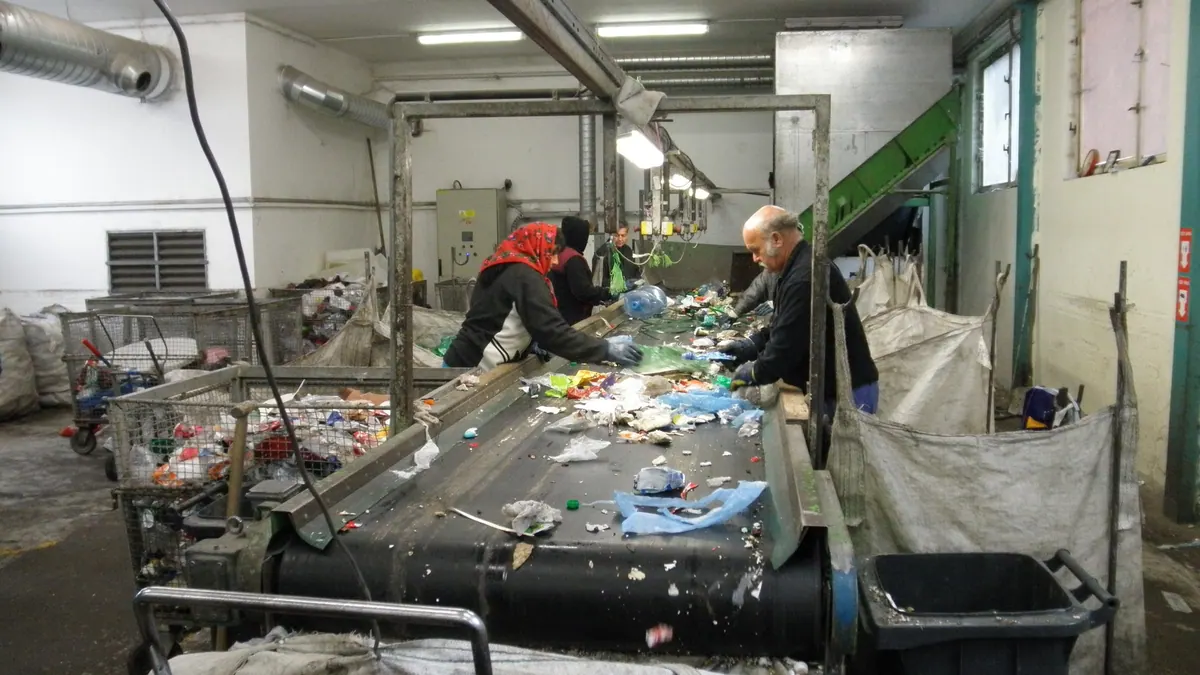

The regulation of the Minister of Climate and Environment of 17 November 2023 (Journal of Laws (Dz.U.) 2023, item 2524) changes the rules for the mechanical-biological treatment (MBP) of unsegregated municipal waste. It enters into force on 7 December 2023. The amendment, issued less than a year after the base regulation was introduced, clarifies, among other things, how fractions are separated on the screen, the requirements for biological treatment and the classification of products, including fuel from biodrying.
What is changing
The most important changes:
- waste sent for biological treatment is separated on a screen with a mesh of no more than 100 mm; a larger mesh may be used only until 31 December 2024; the undersize fraction receives code 19 12 12,
- unloading and mechanical processing take place in a closed building with a sealed floor, leachate control, and air ventilation and treatment,
- the undersize fraction is biologically treated in a closed reactor or hall with aeration until AT4 below 10 mg O₂/g TS is reached (finishing in windrows is permitted if AT4 is below 20 mg O₂/g), loss on ignition below 35%, organic carbon below 20%,
- the product of anaerobic fermentation must be aerobically stabilised,
- stabilised output of up to 20 mm may be used only at a landfill or at a facility for the disposal of extractive waste,
- in the part of the installation where the undersize fraction is processed, a separate process of biological treatment of separately collected biowaste may be run (the undersize fraction must not be mixed with separately collected waste), from which fertiliser products, fertilisers or plant growth aids meeting separate rules arise, or waste after composting or fermentation,
- biodrying produces fuel (19 12 10) directed to recovery R1 or disposal D10; residue that does not meet requirements after at least 4 weeks of aerobic processing may go to thermal treatment.
After three consistent tests under unchanged conditions the frequency of testing may be reduced to quarterly.
Significance for the industry in Poland
MBP installations are an important link in the Polish municipal waste management system: they separate raw materials, produce alternative fuel and stabilise the biological fraction before landfilling. The changes raise the requirements for the tightness and quality of the process, which means investment in halls, ventilation and biofilters. For installations with methane fermentation it has been clarified that the product must undergo aerobic stabilisation, which affects the whole technological system.
For waste-to-energy it is important that sending fuel from biodrying to energy recovery (R1) is explicitly provided for, which makes cooperation with cement plants, heating plants and incinerators easier.
What to pay attention to
Operators of installations without an integrated permit should adapt unloading, mechanical processing and screens to the new requirements by the end of 2024. Installations with an integrated permit follow its conditions until the permit is changed. It is worth arranging an accredited laboratory and a testing schedule.
What next
In the coming months, guidance from the inspection authorities should be expected. The development of the deposit return system and separate collection may over time change the composition of mixed waste and the load on MBP installations.
Sources
Related articles