Waste-to-energyExplainer
RDF and SRF: waste-derived fuels — waste codes, standards, quality classes and the market of recipients
RDF is a fuel from the high-calorific fraction of waste, SRF its standardised, better-described variety. We explain codes 19 12 10 and 19 12 12, classification by standard and who buys such fuel.
Other language versions: polski.
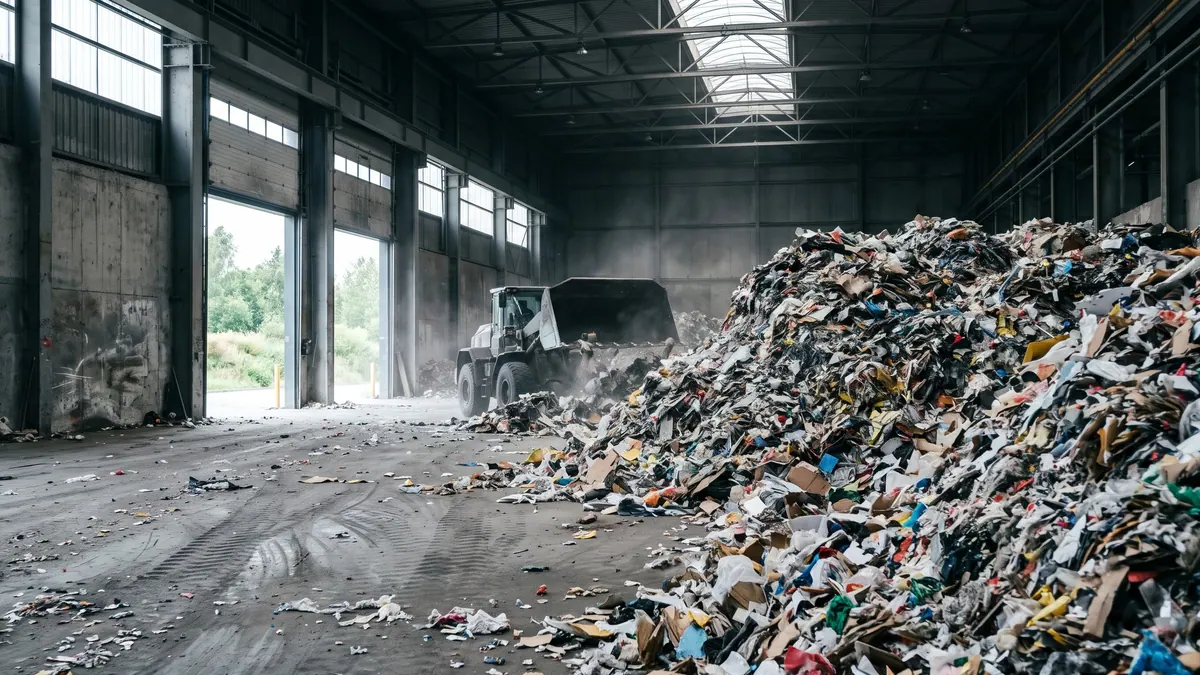
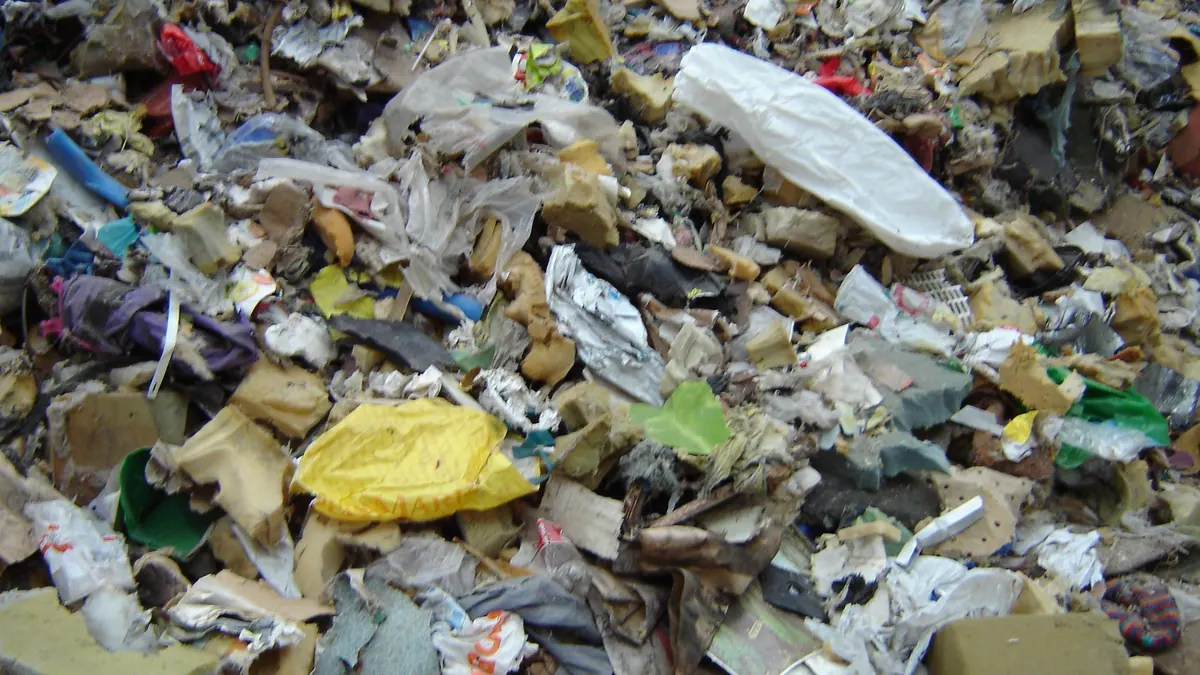
RDF (refuse-derived fuel) is a fuel obtained from the high-calorific fraction of waste after it has been mechanically separated and shredded, whereas SRF (solid recovered fuel) is a solid fuel from waste that meets the requirements of a technical standard and is classified according to strictly defined parameters. In practice many fuels called RDF in Poland do not have SRF status, because they are not produced and certified in accordance with the standard.
Where the combustible fraction comes from
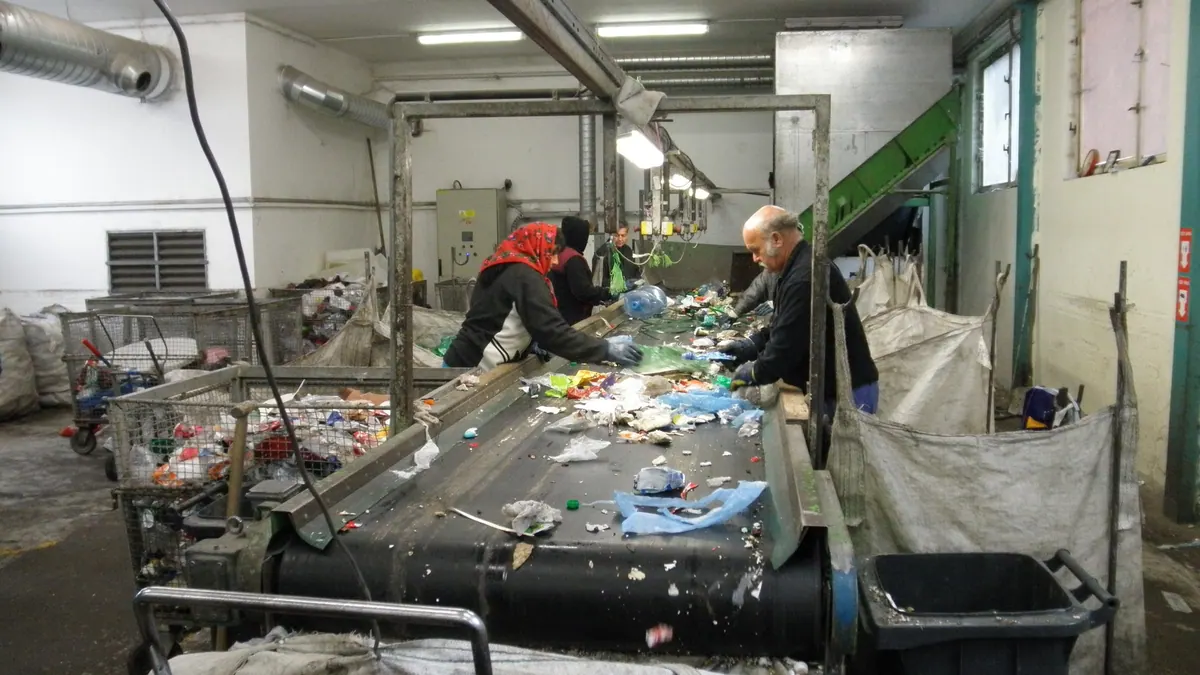
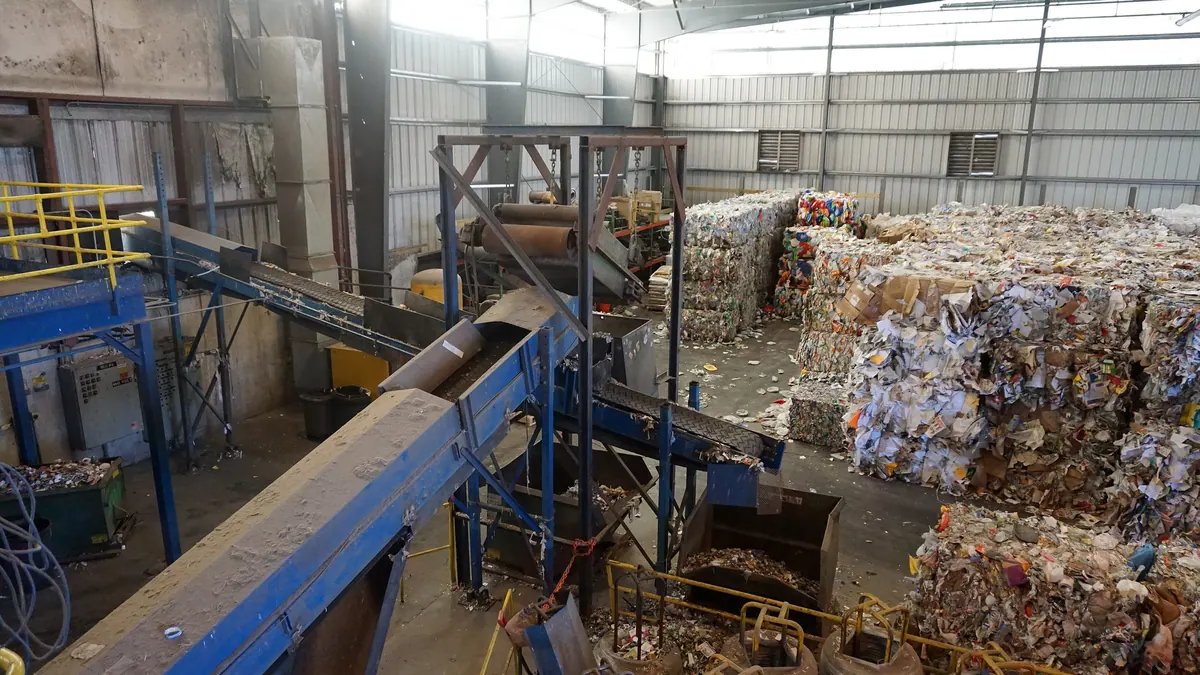
The raw material is most often mixed municipal waste and residues from the sorting of separately collected waste. In mechanical-biological treatment (MBT) installations or sorting plants, the oversize fraction — paper, textiles, plastics, wood, films — is separated on screens, ballistic and optical separators, with a calorific value usually clearly higher than that of mixed waste. Metals, glass and other inerts are then removed, and the material is shredded and optionally dried.
A fraction prepared in this way is classified in the waste catalogue, where for RDF the following are most often used:
| Code | Name in the catalogue | When |
|---|---|---|
| 19 12 10 | Combustible waste (refuse derived fuel) | combustible fraction separated in the installation, intended for energy use |
| 19 12 12 | Other wastes (including mixtures of materials) from mechanical treatment of waste other than those mentioned in 19 12 11 | treatment residues, also a combustible fraction of lower quality |
The choice of code depends on origin and process; it should be consistent in the contract, the waste transfer card and the permits of both parties.
Legal status: it is still waste
Fuel from waste usually remains waste until it meets the conditions for end-of-waste status. This means that the producer, the carrier and the recipient must have the appropriate permits and keep records in BDO, and the recipient must treat the installation as a co-incineration plant or an incinerator with the appropriate emission limits. The possibility, provided for in the Act on Waste (ustawa o odpadach), of setting end-of-waste criteria requires a separate procedure and in practice is rarely used for RDF.
SRF classification by standard
The EN 15359 standard (SRF) introduces three basic classification parameters — net calorific value, chlorine content and mercury content — and for each of them five or three classes:
| Parameter | Classes | Range |
|---|---|---|
| Net calorific value (as received) | 1–5 | from ≥ 25 MJ/kg (class 1) to ≥ 3 MJ/kg (class 5) |
| Chlorine (dry basis) | 1–5 | from ≤ 0.2% (class 1) to ≤ 3% (class 5) |
| Mercury | 1–3 | related to energy (mg/MJ), the median and the 80th percentile value separately |
The notation “NCV 3, Cl 2, Hg 2” tells the recipient at once what to expect. The standard also requires a quality management system at the producer, sampling and a declaration of properties. These requirements are the reason why SRF is easier to sell and may achieve a higher price than unclassified RDF.
Who buys such fuel
- Cement plants — the largest recipient, using fuels with a defined calorific value and low chlorine and mercury content.
- Waste incinerators — receive RDF as feedstock if their permits and their grate or fluidised-bed boilers are adapted to it.
- Combined heat and power plants and dedicated boilers — require fuel of well-defined quality; chlorine and alkalis are a limitation because of corrosion.
- Export — part of the stream used to be taken abroad; the rules on waste shipments are changing, so before planning such a direction the current requirements must be checked.
Why the RDF market can be unstable
- Demand depends on a few recipients. A maintenance shutdown of a cement kiln or a limit on intake immediately pushes fuel into stores.
- Landfill fees drive RDF production: the more expensive landfilling is, the greater the inclination to direct the combustible fraction to energy recovery.
- Gate fees change with the fossil fuel market cycle and with the supply of waste.
- Fire safety. Stores of waste-derived fuel are facilities with increased fire risk, so they require appropriate storage limits and fire protection installations.
Practical tips for the producer
- Start with analyses: calorific value, moisture, chlorine, mercury, particle size — in several series from different seasons.
- Set the target specification with the recipient before you build the process line.
- Plan at least two routes to market.
- Take care to store limited quantities and to monitor the temperature of the piles.
- Take care that documents agree: waste code, transfer card, permit.
A well-designed RDF/SRF chain reduces the amount of waste landfilled and replaces fossil fuels, but does not replace separate collection or recycling. Waste-derived fuel is a supplement to the system, which makes sense when it goes to an installation with the right emission standard.
What the price and profitability consist of
The calculation of a producer of waste-derived fuel rests on several items: revenue from receiving waste (the gate fee), the costs of mechanical processing (shredding, separation, drying), the costs of taking away residues that are unsuitable for fuel (ballast, fines), and the receipts or payments when the fuel is handed to the recipient. In practice the fuel price may be negative: the producer pays the recipient to take it, because the fuel is waste and not a commodity. The better the quality (higher calorific value, lower chlorine), the better the position in negotiations. That is why classification by the standard, regular testing and quality documentation are an investment, not a formality.
This text is for information only and does not constitute legal advice; before an investment or formal decision, check the current wording of the regulations and consult a lawyer or the competent authority.
Sources
Questions and answers
Is RDF a waste?
Yes, RDF is waste (usually with code 19 12 10) until it goes through the "end-of-waste" procedure; it becomes a fuel only when it meets the criteria of the law and standards, not merely because it is combustible.
How does RDF differ from SRF?
RDF is a fuel from waste of varying, often poorly defined quality, while SRF (solid recovered fuel) is a fuel produced according to the EN ISO 21640 standard, with defined quality classes (including calorific value, chlorine and mercury).
Related articles