Waste-to-energyEvent
New rules for processing mixed municipal waste (MBT): regulation in force from 24 January 2023
The Minister of Climate's regulation of 28 December 2022, published on 9 January 2023, sets requirements for mechanical-biological treatment of mixed municipal waste: fractions, stabilisation, fermentation and alternative fuel.
Other language versions: polski.
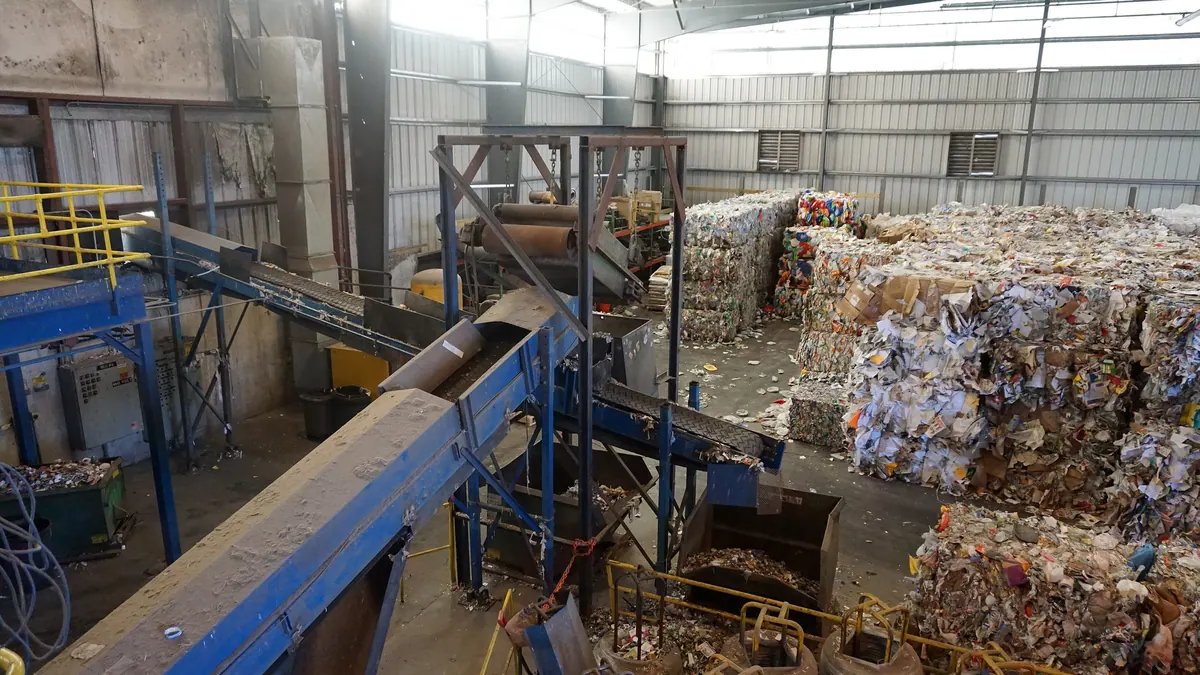

The regulation of the Minister of Climate and Environment of 28 December 2022 on mechanical-biological treatment of unsegregated (mixed) municipal waste was published on 9 January 2023 (Journal of Laws (Dz.U.) 2023, item 56) and enters into force on 24 January 2023. It sets out how the MBT process is to run, which fractions may be separated, how to carry out biological treatment and what criteria the stabilisate must meet. For biogas installations it is important that the regulation permits methane fermentation in the process line.
What is changing
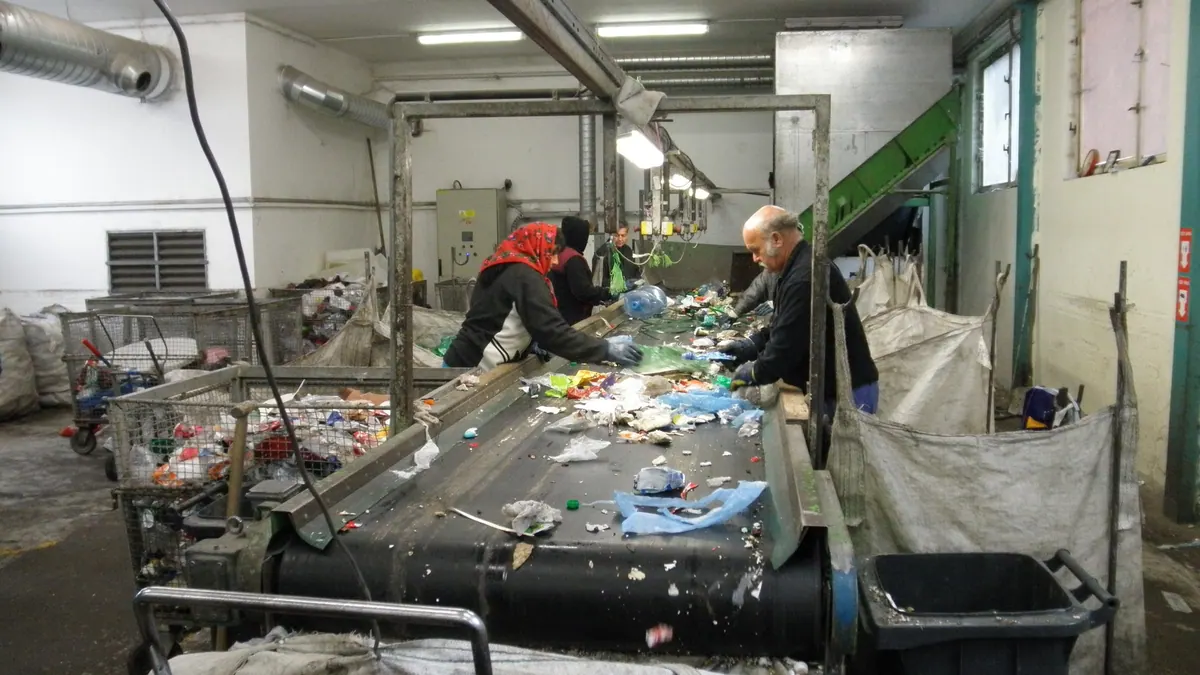
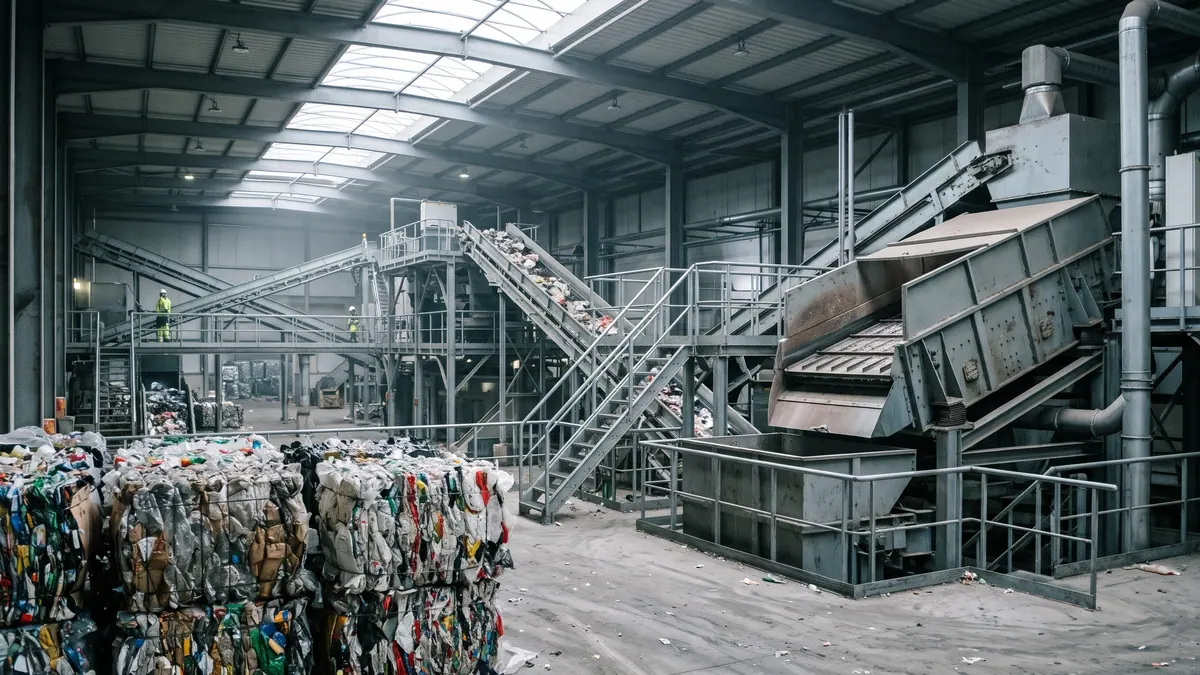
The MBT process combines mechanical and biological treatment in a single installation. Waste is unloaded in a closed building with a sealed floor, ventilation and dust emission control. Paper, metals, plastics, glass and textiles and fuel (code 19 12 10) are separated from the mixture; the fine fraction is divided into an under-sieve fraction (0–80 mm) and an over-sieve fraction. The fraction for biological treatment may be processed in a process that is:
- aerobic, single-stage (at least 4 weeks) or two-stage,
- anaerobic, methane fermentation for at least 20 days (mesophilic) or 12 days (thermophilic), followed by aerobic stabilisation for at least 2 weeks,
- biodrying, at least 7 days under aerobic conditions.
The stabilisate is deemed to meet the requirements when the respiration activity AT4 is below 10 mg O₂/g dry matter, and when it is sent to landfill also the loss on ignition is below 35% and the organic carbon content below 20% of dry matter (§ 7(1)). Fractions up to 20 mm in size may be used only at landfills or at extractive waste disposal facilities. Testing is carried out by an accredited laboratory, samples are taken after each cycle, not less often than four times a year.
Significance for the industry in Poland
The regulation puts the market of MBT installations in order; in the Polish waste management system they play an important role in processing mixed waste and producing alternative fuel (RDF). For operators who have anaerobic fermentation in their process line, the specified retention time and temperature parameters are a reference point in design and operation. From the energy perspective it is also important that fuel from waste can go to thermal treatment and biogas from fermentation to energy production.
The rules lack requirements on biogas yield: the regulation governs the waste process, not the energy one. Installations with fermentation must therefore separately meet the rules for biogas plants and for emissions to air.
What next
Existing plants without an integrated permit are to adapt to some of the requirements by 1 January 2024. Operators should prepare a schedule of modernisation works and check whether their process arrangement meets the requirements for closed halls, aeration and process air treatment.
Sources
Related articles