Waste and circular economyEvent
The Commission publishes guidelines for waste management during the COVID-19 pandemic
On 14 April 2020 the EC issued guidelines intended to ensure the continuity of waste collection and treatment during the epidemic, in line with EU waste law.
Other language versions: polski.
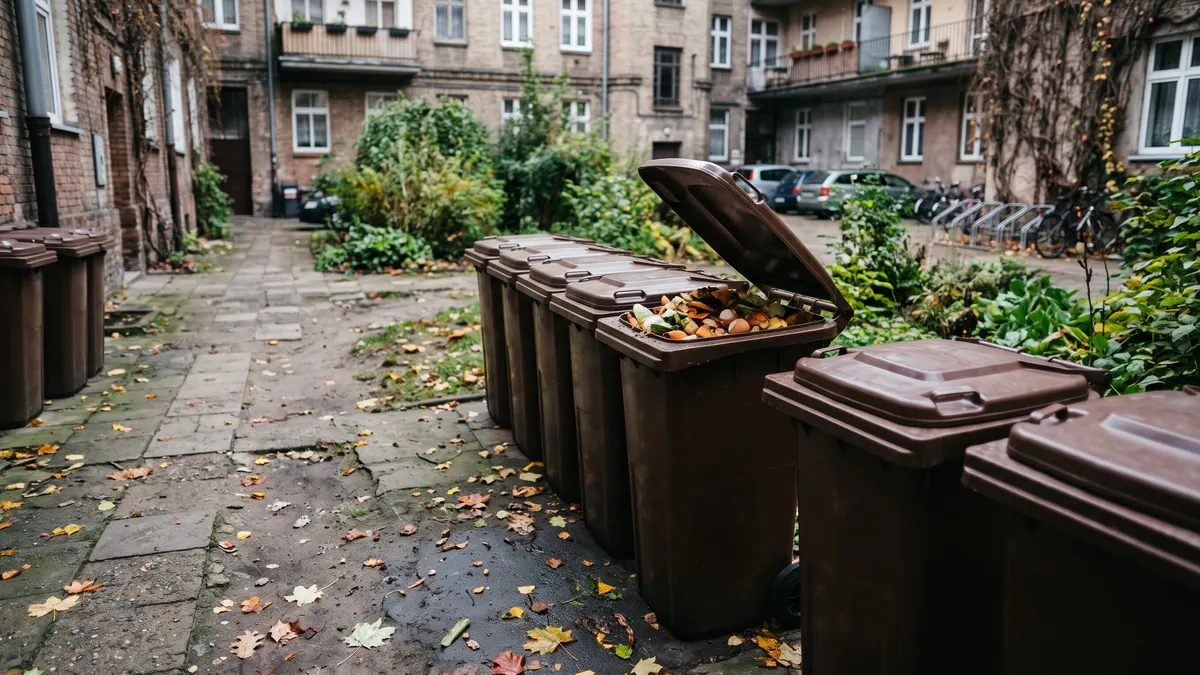
On 14 April 2020 the European Commission published guidelines on waste management in the context of the COVID-19 pandemic. The document was intended to help Member States maintain the continuity of waste collection and treatment in line with EU law at a time when the epidemic had disrupted the work of companies, changed the structure of waste and burdened installations.
Why the guidelines were needed
In spring 2020 households generated more waste, while industry and catering generated less. Questions arose about how to handle waste from the homes of infected people or people in quarantine, about the safety of workers at sorting plants and treatment facilities, and about whether to maintain separate collection. The guidelines were prepared after consultations with experts from the Member States and were meant to provide a common point of reference.
The Commission encouraged states to send information on the measures taken in the area of waste in response to the crisis, which was meant to allow the exchange of good practices and a quick response to problems.
Significance for Poland
In Poland, too, national guidelines appeared from the Ministry of Climate and the Chief Sanitary Inspector on the handling of waste generated during quarantine and isolation, which referred to the EU findings. For local governments and companies collecting waste this meant the need to introduce additional safety rules and to ensure the continuity of services that were recognised as crucial for public health.
Significance for biogas plants and biowaste facilities
The pandemic changed the substrate streams for biogas plants using waste. The closure or reduced operation of catering, hotels and some food processing plants meant less food waste. For waste-treatment installations whose revenues are based in part on gate fees for receiving waste, this could mean a fall in income and the need to look for alternative suppliers. At the same time, the increased amount of household waste increased the burden on municipal systems.
What next
The guidelines were ad hoc in nature, but they highlighted several lasting conclusions: the resilience of the waste collection and treatment system is an element of critical infrastructure, and spare capacity for processing biowaste and mixed waste matters in emergencies. In the following months these threads may return in discussions on the circular economy and on planning investment in installations.
What followed from the guidelines
The guidelines stressed that the collection and treatment of waste are essential services, and that the waste hierarchy should be maintained as far as possible, even in crisis conditions. They drew attention to the need to protect plant workers and to provide reserve processing capacity, so that interruptions in the work of some installations do not lead to waste accumulating in uncontrolled places.
Conclusions for the future
The epidemic showed that waste management systems need contingency plans: reserve processing capacity, procedures for workers and flexible contracts with recipients. Waste-treatment biogas plants, which depend on deliveries of waste from the food industry and catering, felt the volatility of demand more than installations based on agricultural substrates. Diversifying suppliers and long-term contracts increase resilience to similar disruptions.
Sources
Related articles