Waste and circular economyAnalysis
Composting or digestion of biowaste? A comparison of process, law and odour
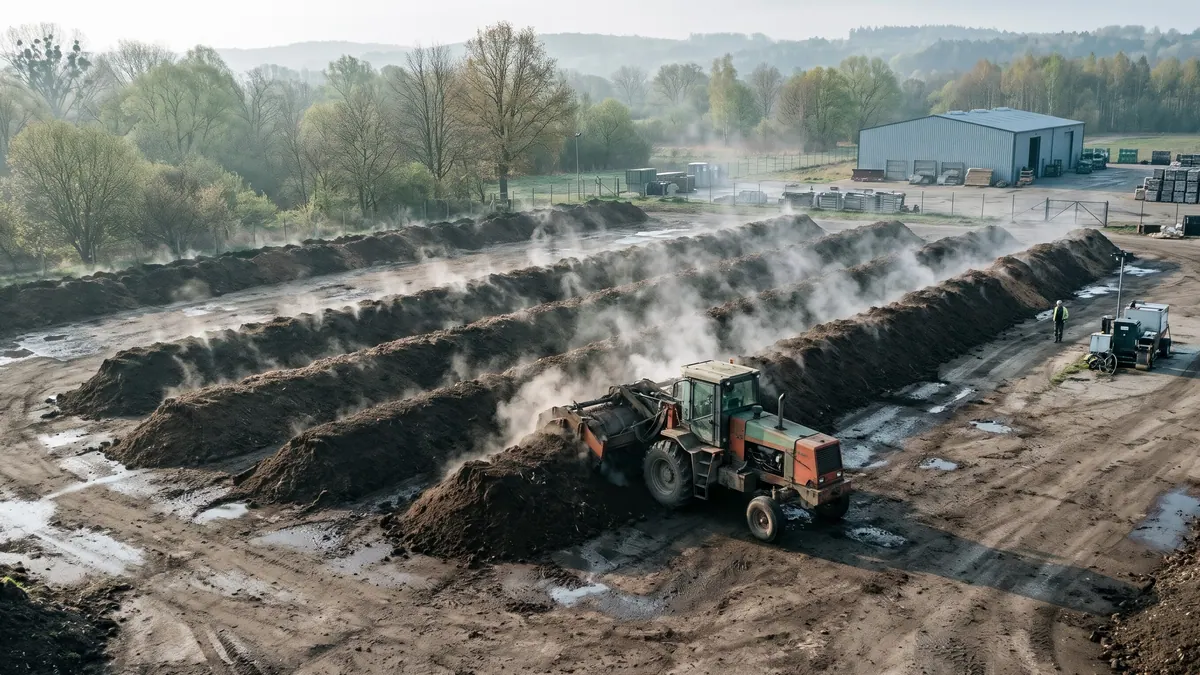
Composting is aerobic and yields compost; digestion is anaerobic and yields biogas and digestate. We compare the two processes in terms of law, animal by-products (UPPZ), the end product and odour nuisance.
Other language versions: polski.
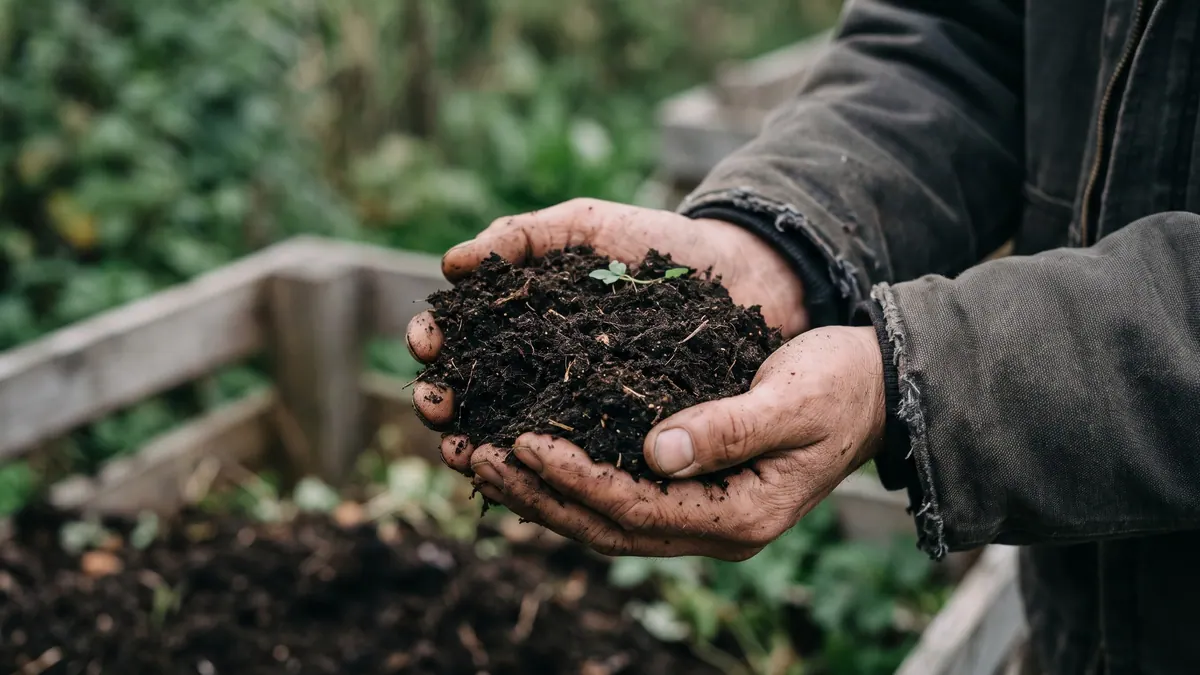
Digestion and composting are two routes of organic recycling of biowaste that lead to different products. Composting (an aerobic process) yields stable compost and consumes energy for aeration, while methane fermentation (an anaerobic process) produces biogas and digestate. The law treats both technologies similarly: the common core of requirements is a permit for waste processing, records in the BDO and — where the stream contains waste of animal origin — approval of the plant by the county veterinary officer. The differences arise from the type of waste, the enclosure of the installation and the status of the end product.
The process: what happens and what comes out
| Feature | Composting | Methane fermentation |
|---|---|---|
| Conditions | aerobic, with aeration and structural material (wood chips, green waste) | anaerobic, sealed reactor |
| Best feedstock | green waste, mixtures with kitchen waste | wet, easily degradable: kitchen waste, expired food, slurry, production waste |
| Products | compost, heat | biogas (CH₄ and CO₂), liquid or solid digestate |
| Energy balance | net energy consumer | net energy producer (after covering own needs) |
| Sensitivity | low to contaminants, high to odours | high to inhibitors (ammonia, fats, disinfectants) and to packaging |
| Area | large, especially in a windrow system | small, but a digestate store is needed |
The two methods are often combined in a single chain: digestate is separated into a liquid and a solid fraction, and the solid one is sent for compost maturation.
Requirements common to both technologies
- Act on waste (14 December 2012) — waste is processed in an installation covered by a waste processing permit (or an integrated permit, or a waste generation permit that includes processing). Waste holders are obliged to register in the BDO, and since 2020 waste records and waste transfer cards have been kept in that system.
- Separate collection — the Minister of Environment regulation of 29 December 2016 on the detailed manner of separate collection of selected waste fractions covers, among others, biowaste. This supplies the stream that goes to composting plants and biogas plants.
- Restriction on landfilling biodegradable waste — this is the main "driver" of building installations: biowaste is to be managed, not landfilled.
- UPPZ — if the feedstock contains kitchen waste or products of animal origin, Regulation (EC) 1069/2009 applies: both technologies require plant approval (Article 24(1)), and category 3 material is processed as standard at 70°C for at least 60 minutes, with particles up to 12 mm.
Technical differences directly from Regulation 142/2011: a biogas plant needs a pasteurisation/hygienisation module that cannot be bypassed, with continuous temperature recording; a composting plant needs a closed reactor or enclosed space with temperature monitoring. Other composting systems are permitted only where they meet the time and temperature parameters or process exclusively materials exempt from hygienisation.
What actually decides the choice
- Type of waste. Green and garden waste is the natural feedstock of a composting plant. Wet kitchen, catering and production waste is easier to handle in closed digestion, because it has high energy value and is unsuitable for windrows.
- Scale and location. A small municipality with a separate stream of green waste will rarely justify a biogas plant. A large agglomeration with kitchen waste — the opposite.
- The end product and its recipient. This is where many investments are decided (see below).
- Neighbourhood. Odour nuisance is often the main source of conflicts and protests.
End product: compost versus digestate
- Compost may be placed on the market as an organic fertiliser or soil improver after obtaining a permit from the Minister of Agriculture (Act of 10 July 2007 on fertilisers and fertilisation) or used in the R10 recovery process.
- Digestate from the digestion of waste is usually classified as waste (codes 19 06 04, 19 06 05, 19 06 06 in the waste catalogue). For agricultural use the R10 process regulation applies: the conditions depend on what was processed. For selectively collected waste, the requirements are sometimes equated with those for municipal sewage sludge and require testing of the waste and the soil in an accredited laboratory. If the feedstock was exclusively biomass and animal by-products, the requirements are lighter. An alternative is the fertiliser route with a permit.
In practice digestate has no single, simple route, and its overly densely planned "agricultural use" is often the bottleneck of the whole investment.
Odour nuisance
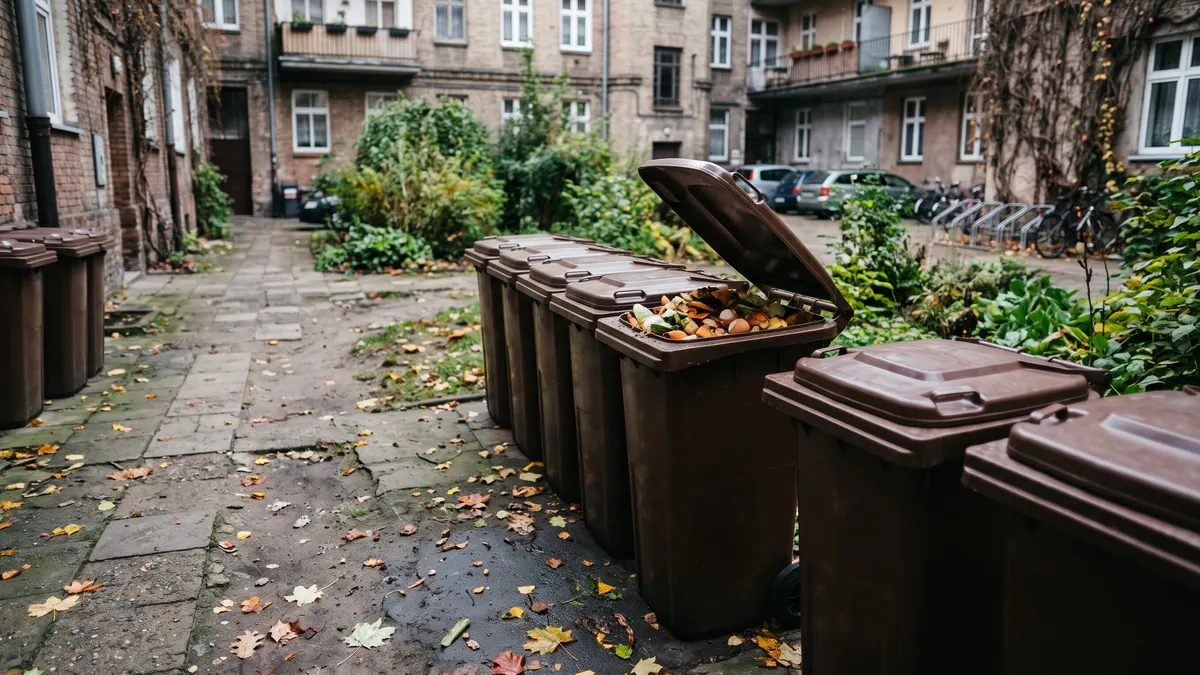
Odours arise mainly during unloading, storage of raw waste, in windrows when oxygen is insufficient and in open lagoons with digestate. Organisational and technical solutions are effective:
- unloading and buffering of the feedstock in a closed hall under negative pressure;
- a biofilter or scrubber on the air from halls and reactors;
- rapid processing of each delivery (Regulation 142/2011 requires processing of animal material without undue delay);
- covered digestate tanks, proper mixing of the structure in the composting plant;
- setting delivery routes and hours.
Polish regulations contain no single, universal odour limit for such installations. The requirements arise from the environmental decision and permits and from the BAT conclusions for waste treatment (Commission Implementing Decision (EU) 2018/1147), so it is worth designing odour protection from the start, not after complaints.
Three typical scenarios
A municipality with green and household kitchen waste. The feedstock is heterogeneous and seasonal, and kitchen waste is category 3 material within the meaning of the UPPZ provisions, so the composting plant must be enclosed and hygienised. A hybrid layout works well: digestion of kitchen waste, and composting of the green fraction and of the solid part of the digestate.
A food processor with production waste. Wet, energy-rich waste (pomace, whey, unsaleable products) is feedstock for digestion. Composting makes little sense, because it would require a lot of structural material, and biogas can cover part of the plant's energy needs.
A farm with slurry and crop residues. This is a classic agricultural biogas plant; composting concerns rather manure and field clamps. The rules here arise more from the nitrates programme and the fertilisers act than from waste regulation.
What the table does not show
The cost of an installation is not only the reactor or hall. There are also: shredding and removal of contaminants (plastic, glass, metals), air treatment, a storage facility for the end product large enough for the period when it may not be spread on fields, and a laboratory. A composting plant is usually cheaper to build but more expensive to maintain in terms of area and odour control. A biogas plant earns revenue from energy or gas but is sensitive to feedstock quality — one batch with a large amount of packaging or disinfectants can stop the process.
Checklist before the decision
- Do we have a stable source of feedstock and what is its quality (contaminants, packaging)?
- Does the feedstock contain material of animal origin and what category is it?
- Who will take the end product and on what legal basis (fertiliser, R10)?
- How will we enclose unloading and storage with regard to odours?
- Does the location allow the required distance from buildings to be maintained?
This text is for information purposes only and does not constitute legal advice; before an investment or formal decision, check the current wording of the provisions and consult a lawyer or the competent authority.
Sources
Questions and answers
Are windrows in the open enough for composting kitchen waste?
Generally no. Regulation 142/2011 requires, for material of animal origin (including kitchen waste), a closed reactor or enclosed space with temperature monitoring; other systems are possible only if the parameters are met or for strictly defined materials.
Which is more odorous: a composting plant or a biogas plant?
There is no rule. Odours are determined by the unloading method, hall enclosure, air filtration and storage time, not by the technology itself. Open windrows and uncovered digestate stores cause the most problems.
Related articles