Waste and circular economyGuide
Kitchen and catering waste: producer obligations and the route to a biogas plant
Restaurants and canteens must collect kitchen waste separately and pass it to an authorised collector. We describe the codes, the contract, the BDO, UPPZ requirements and the route to a biogas plant.
Other language versions: polski.
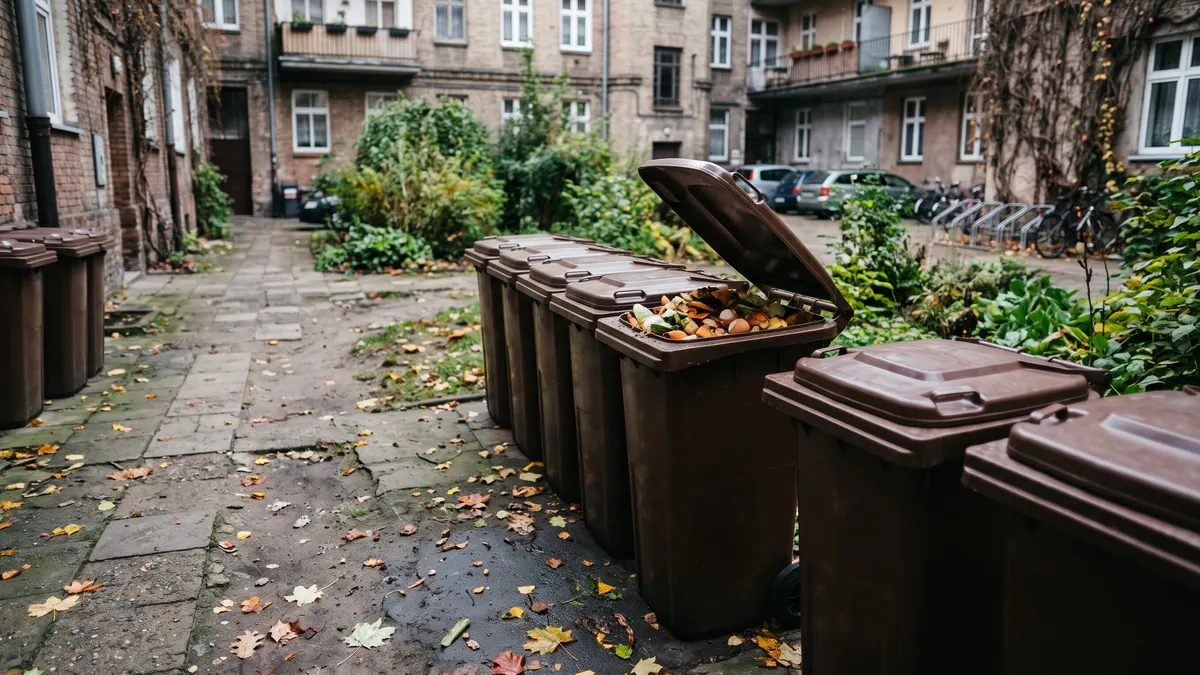
Restaurants, canteens and catering firms should collect kitchen waste separately and pass it only to an entity authorised to collect it. This waste is at the same time waste within the meaning of the Act on waste (usually as biowaste) and category 3 animal by-products, so two sets of provisions apply to it. The route leads from the container in the kitchen, through the collector, to the installation — most often a biogas plant or composting plant approved by the county veterinary officer.
How to classify catering waste
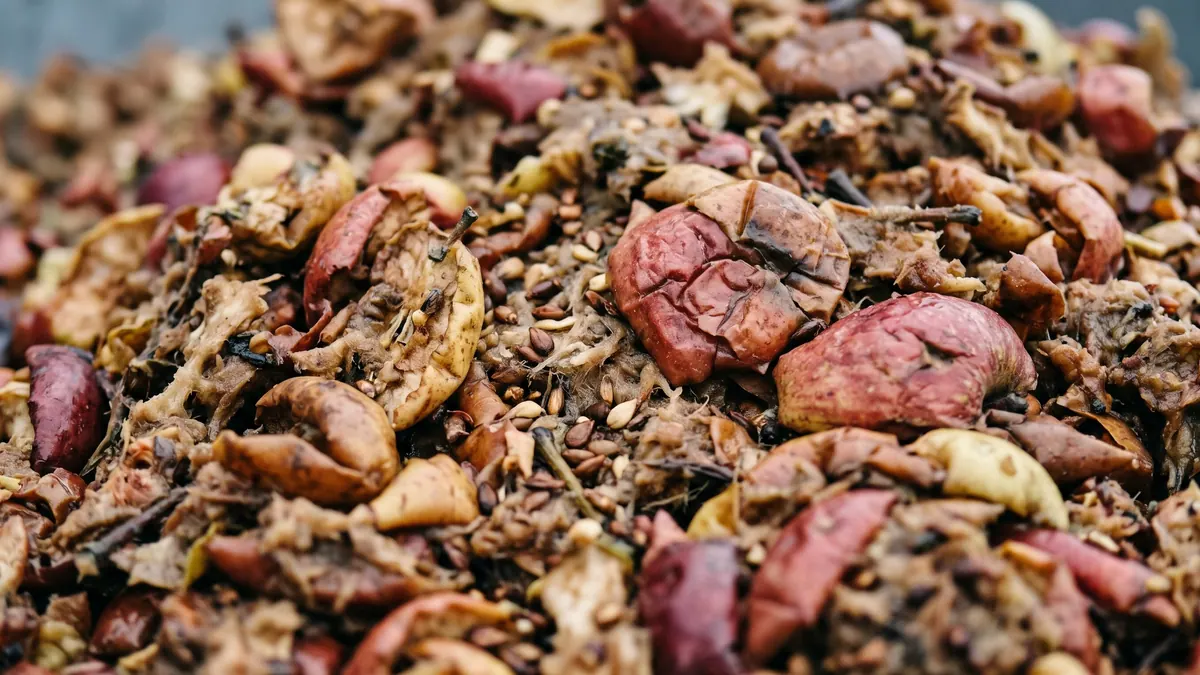
The Act on waste defines biowaste as biodegradable garden and park waste, food and kitchen waste from households, catering (including restaurants and canteens), offices, wholesale and retail, as well as similar waste from plants producing or placing food on the market. The waste catalogue includes, among others:
| Code | Waste |
|---|---|
| 20 01 08 | biodegradable kitchen waste |
| 20 01 25 | edible oils and fats (e.g. used cooking oil) |
| 19 08 09 | grease and oil mixtures from oil/water separation containing only edible oils and fats |
| 02 02 03, 02 03 04, 02 05 01, 02 06 01 | products unsuitable for consumption from production (processing plants) |
The final classification is determined by the producer and, in case of doubt, the collector; the code is entered in the documents.
Producer obligations
- Segregation at source. Kitchen waste is collected separately from mixed waste. The regulation on the manner of separate collection of selected waste fractions covers biowaste.
- Handing over to an authorised collector. The producer passes waste to an authorised entity (an entry in the register of regulated activity for collecting municipal waste from property owners, or a permit, and registration in the BDO). It is worth requesting copies of the documents.
- Contract and documentation. The contract specifies the collection frequency, containers and waste codes; after collection, the mass and code are confirmed.
- BDO and records. The scope of obligations (registration, quantitative records, transfer cards) depends on the type and quantity of waste and the producer's status; some waste and small quantities are excluded from records under an implementing regulation. Check your situation in the BDO.
- Used oil should be passed to a separate collector (code 20 01 25), not poured into the sewer.
UPPZ requirements
Kitchen waste (catering waste), other than that from international means of transport, is category 3 material (Article 10(p) of Regulation 1069/2009). The consequences:
- A ban on feeding farm animals (other than fur animals) with kitchen waste (Article 11).
- The waste must go to an approved plant processing UPPZ into biogas or compost (Article 24(1)(g)), where it undergoes hygienisation: 70°C for 60 minutes with particles up to 12 mm, or approved alternative parameters.
- Transport takes place with a commercial document, and carriers are subject to registration (Article 23) or approval.
- A catering establishment that generates UPPZ and is itself approved or registered as a food business does not need to register additionally in this respect under Article 23.
The route to a biogas plant step by step
- The producer segregates waste in the kitchen into leak-tight containers.
- The collector (with UPPZ registration and BDO) collects and transports it in a closed vehicle.
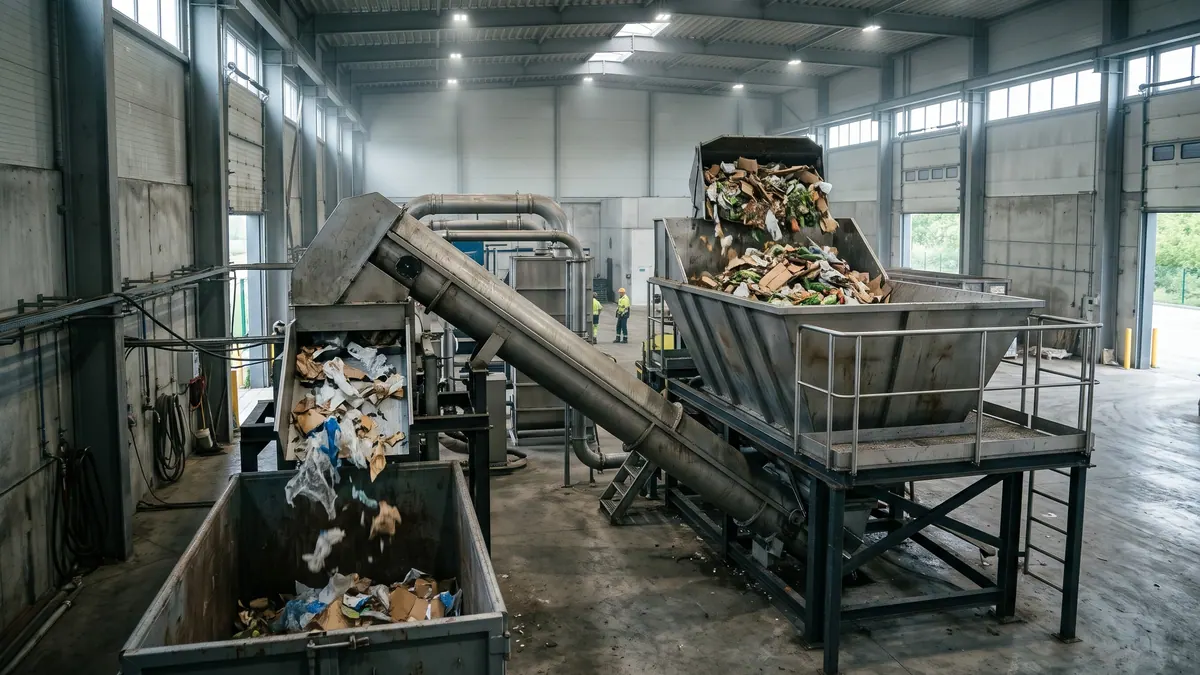
- The waste goes to an installation with a permit, the available codes and veterinary approval; it often undergoes depackaging and hygienisation.
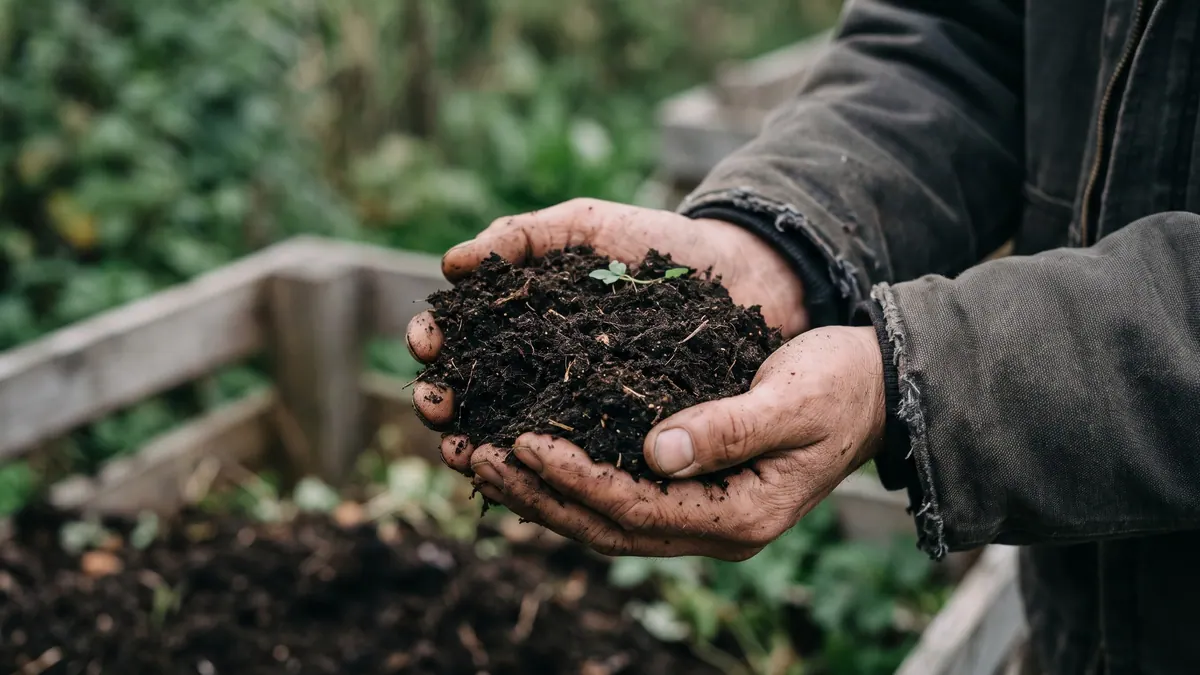
- Digestion yields biogas and digestate, which is subject to a separate legal route (R10 recovery or fertiliser).
How to make life easier
- Good segregation: without packaging, cutlery, film napkins and glass.
- Leak-tight containers and more frequent collections in summer, to limit odours and pests.
- Weighing or estimating quantities, to control costs.
- Staff training: what goes into the container and what does not.
- Choosing a collector with a confirmed place of final management.
Check questions for the collector
- Does the collector have an entry in the register of regulated activity or a permit for collecting and transporting waste, and registration in the BDO?
- Is it registered or approved for transporting UPPZ?
- Where does the waste go? Does the final installation have a permit, veterinary approval and the codes 20 01 08 or others included?
- How often does it collect and in what containers?
- Does it issue confirmations of hand-over and mass?
A sample implementation plan for a venue
- Designate collection points in the kitchen and by the dishwashing area (containers with lids).
- Label the containers and train the team.
- Decide what you do with oil, grease from the separator and packaging — separate streams.
- Conclude a collection contract with an authorised entity.
- Keep a short register (date of collection, quantity, collector) and store the documents.
- From time to time review the weight of waste and adjust the collection frequency — it often turns out that reducing food waste lowers costs more than negotiating prices.
Kitchen waste versus household waste
Kitchen waste from households is collected within the municipal system, while in a catering venue the producer is itself responsible for choosing the collector and for the documentation. This is an important difference: in the first case the municipality organises the system, in the second the business concludes a contract with an authorised entity and must prove, in the event of an inspection, to whom and when it handed over the waste.
Common mistakes
- Giving waste to a company without entries and permits.
- Mixing biowaste with oil or packaging.
- No contract or document confirming collection.
- Feeding or handing over waste "for feed" — this is prohibited.
This text is for information purposes only and does not constitute legal advice; before an investment or formal decision, check the current wording of the provisions and consult a lawyer or the competent authority.
Sources
Questions and answers
Can animals be fed restaurant leftovers?
No. Regulation 1069/2009 prohibits feeding kitchen waste to farm animals other than fur animals. It must go to an authorised recipient and be managed, e.g. at a biogas plant or composting plant after hygienisation.