Waste and circular economyEvent
European Parliament adopts its position on the Packaging and Packaging Waste Regulation (PPWR)
On 22 November 2023 the European Parliament adopted its position on the draft regulation on packaging and packaging waste (PPWR): waste reduction targets, bans on selected single-use packaging and rules for compostable packaging.
Other language versions: polski.
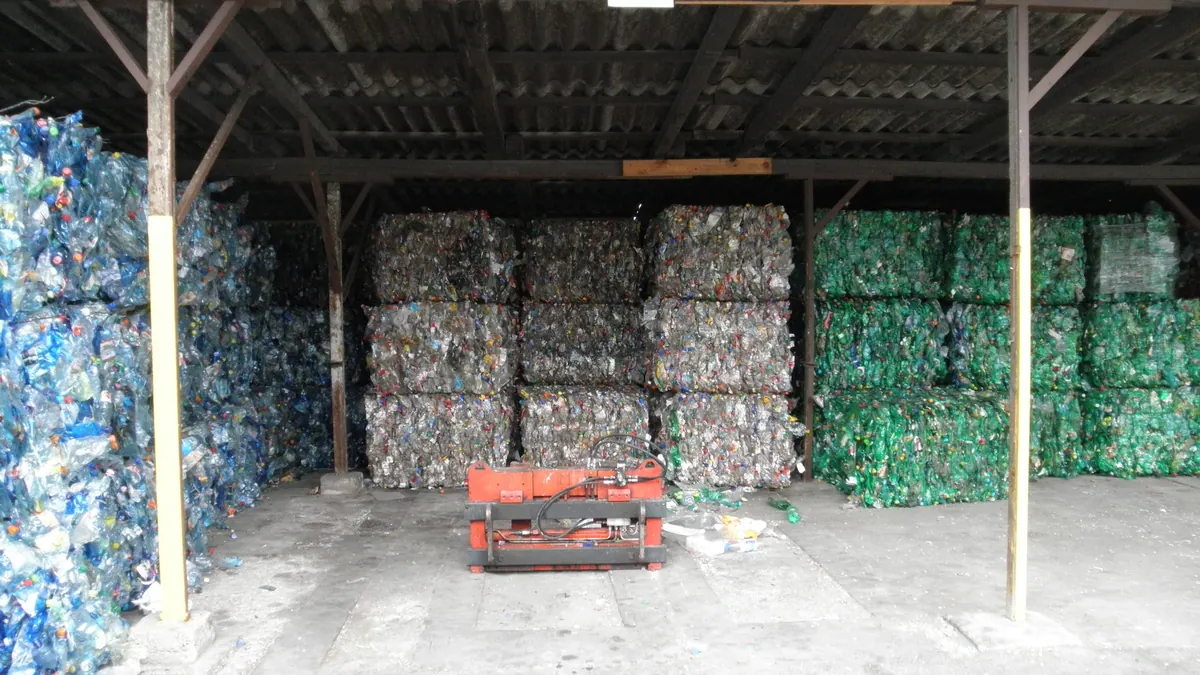

On 22 November 2023 the European Parliament adopted its position on the regulation on packaging and packaging waste (PPWR), proposed by the Commission a year earlier. The document is a mandate for negotiations with the Council of the EU. The draft aims to reduce the volume of packaging waste, increase recycling and reuse, and bring order to the rules on biodegradable and compostable packaging. This matters for the whole waste management sector, including biowaste treatment plants.
What is changing
The main elements of the draft, supported in various forms by Parliament, include:
- packaging waste reduction targets per inhabitant: 5% by 2030, 10% by 2035 and 15% by 2040 relative to 2018,
- a requirement that packaging be recyclable according to criteria set out in delegated acts,
- a minimum share of recycled content in plastic packaging,
- bans on certain single-use packaging in specified applications,
- deposit return systems for plastic bottles and metal cans,
- rules for compostable packaging, e.g. tea bags, coffee pods and stickers on fruit and vegetables.
Parliament also introduced its own emphases, including on reuse and on limiting hazardous substances in packaging. The details will be settled in negotiations with the Council.
Significance for the industry in Poland
Poland's packaging waste management system is in the middle of change: a deposit return system is being introduced and further regulations are being prepared. An EU regulation applies directly, so it will change the rules for producers, retail chains and waste operators. For biowaste installations, the provisions on compostable packaging are the key point. Operators of composting plants and biogas plants should know whether such packaging will be accepted in their technology and which standards it must meet.
For the separate collection system, quality is becoming more important: a clean biowaste stream means better compost and digestate. Reducing the amount of packaging in mixed waste lowers contamination and makes processing easier.
What to look out for
Packaging producers and retail chains should follow the final definitions and deadlines. Plant operators should analyse which of the new packaging types may end up in their stream and agree collection rules with municipalities.
Disputes around the draft
The draft is controversial: packaging producers fear costs and restrictions, some countries fear the impact on the food and beverage industry, and environmental organisations demand stricter targets. A compromise will have to take into account the differences between countries with developed and only emerging deposit return and separate collection systems.
What next
After Parliament's position, trilogue negotiations will begin. The final text may differ, particularly as regards reuse targets, exemptions for some sectors and application dates.
Sources
Related articles