Waste and circular economyEvent
Brazil: the new sanitation law (Lei 14.026) sets deadlines for closing illegal dumps
Law 14.026/2020 amended the National Solid Waste Policy: new deadlines for closing lixões (open dumps) were set for 2021–2024, depending on the size of the municipality.
Other language versions: polski.
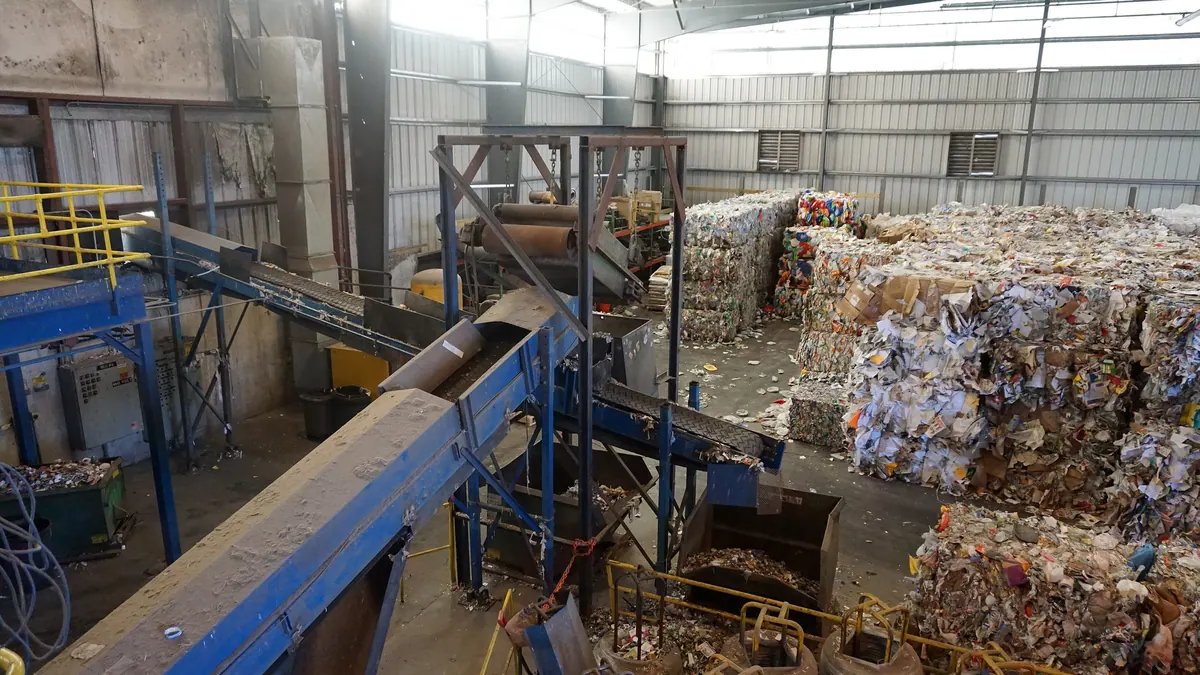

The President of Brazil signed in July 2020 Law 14.026/2020 – the new marco legal do saneamento (legal framework for sanitation), published in the Diário Oficial on 16 July. The law amends, among other things, Article 54 of the National Solid Waste Policy (Lei 12.305/2010), setting new deadlines for closing lixões, that is open dumps, in individual municipalities.
Why lixões are a problem
A lixão is a place where waste is dumped without ground protection, leachate control or degassing. This causes pollution of water and soil and uncontrolled methane emissions. According to Agência Senado, the original waste law of 2010 required final, environmentally sound disposal of waste by the end of 2014; in 2015 the general deadline was moved to 2020, and the new legal framework spread it over time.
Staggered deadlines
The principle of the new Article 54 is to differentiate deadlines according to the size of the municipality and whether it has prepared a waste management plan. The largest municipalities and metropolitan regions have the earliest deadlines and the smallest the latest; according to legal commentary the deadlines fall on 2 August 2021 (state capitals and metropolitan regions), 2022 (municipalities with more than 100 thousand inhabitants), 2023 (50–100 thousand) and 2024 (fewer than 50 thousand); we were unable to open the text of Article 54 in an official source.
What this means for landfill gas
Closing open dumps and directing waste to sanitary landfills creates conditions for capturing and using landfill gas. Brazil has experience with landfill gas power plants at the largest landfills, and introducing degassing systems in smaller towns is a task for consortia of municipalities.
Implementation challenges
Many municipalities do not have the funds to build sanitary landfills, so inter-municipal consortia and waste service concessions are sometimes the solution. Without funding and planning capacity, statutory deadlines remain a declaration.
The outlook for biogas recovery
For investors it matters that the closure of dumps does not automatically result in biogas projects. What is needed are: landfills with leachate control, a sufficient quantity of organic waste and a buyer for the energy or gas.
What this means for Poland and Europe
In the EU the equivalents are the Landfill Directive and landfilling reduction targets. The Brazilian experience shows that legal deadlines alone, without a financing mechanism and support for municipalities, are not enough, and that the leap from dumps to sanitary landfills is a prerequisite for biogas recovery.
Sources
Related articles