Law and regulationEvent
Brazil: Law 14.948/2024 creates a legal framework for low-carbon hydrogen — a 7 kg CO₂e/kg H₂ threshold
On 2 August 2024 the president signed Law 14.948 – the Marco Legal do Hidrogênio de Baixa Emissão de Carbono: a threshold of 7 kg CO₂e/kg H₂, SBCH2 certification and the Rehidro regime.
Other language versions: polski.

The President of Brazil signed on 2 August 2024 Law 14.948, establishing a legal framework for low-carbon hydrogen. Under the law, hydrogen whose lifecycle emissions according to an LCA have an "initial value" of no more than 7 kg of CO₂ equivalent per kilogram of H₂ is considered low-carbon (according to Mattos Filho, the bill originally assumed a limit of 4 kg). The law also creates a certification system and a special tax regime for infrastructure.
SBCH2 certification
The Sistema Brasileiro de Certificação de Hidrogênio (SBCH2) is to be a voluntary system based on emission intensity and lifecycle analysis. According to the text of the law, the certificate is issued by a certifying firm for hydrogen and its derivatives produced in Brazil and can be used for reporting and disclosure; the SBCH2 governance rules are mandatory for value chain entities that want to issue certificates. Mattos Filho notes that the regulatory body for certification was yet to be designated, and that the criteria will be set by regulation.
Rehidro
The main incentive instrument is the special Rehidro regime, modelled on the existing Reidi infrastructure regime. Rehidro is a special incentive regime for low-carbon hydrogen production; the presidential veto covered Articles 30–35 on the PHBC programme, and the details of the incentives must be checked in the text of the law and in implementing acts.
Vetoes and the PHBC
The president partially vetoed the law: the articles establishing and regulating the low-carbon hydrogen development programme (PHBC) were excluded. Under an agreement between Congress and the government, the system of tax credits for the PHBC was to be introduced by a separate bill, PL 3.027/2024. We have not established whether this bill was adopted.
Why a threshold of 7 kg CO₂e/kg H₂
The threshold covers a wider range of technologies than "green hydrogen" from electrolysis: hydrogen from gas reforming with CO₂ capture, from biomass and from biomethane can also qualify if it meets the threshold. A lifecycle emissions criterion instead of a "colour" makes it easier for technologies to compete.
Significance for biogas
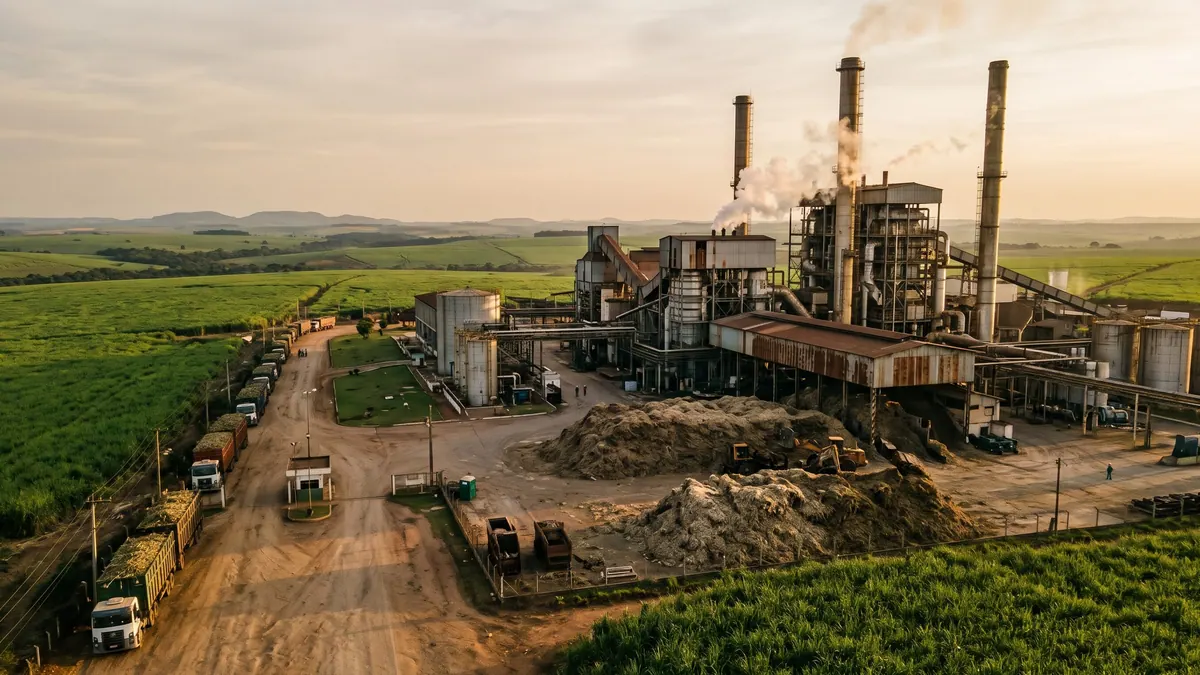
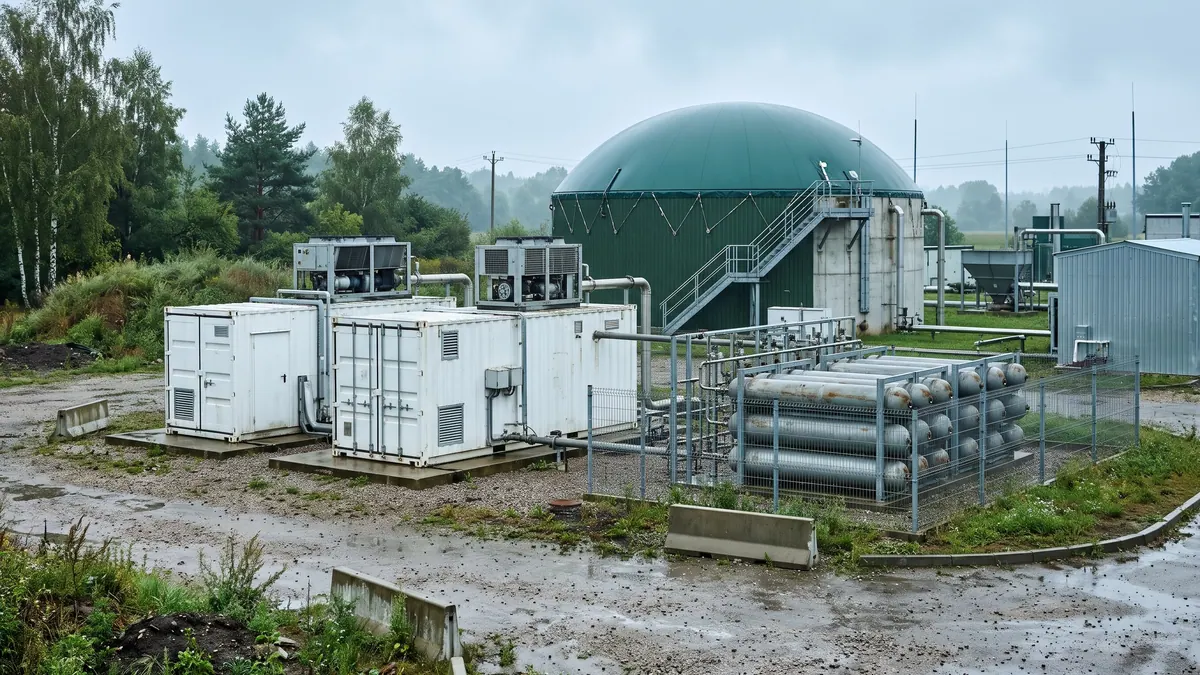
Biomethane from agricultural and municipal waste can be a feedstock for low-emission-intensity hydrogen production, and hydrogen from biomass is sometimes treated as a pathway with negative or very low emissions. Brazil, with a strong sugar-and-ethanol sector and agricultural waste, has a natural advantage here.
What this means for Poland and Europe
The Brazilian definition based on lifecycle emissions is close in spirit to the approach of the EU, which in its 2024 gas package defines low-carbon hydrogen through emission savings, though thresholds and methodologies differ. For exporters and importers it is important that certification systems are mutually recognised.
Sources
Related articles