BiogasEvent
NFOŚiGW consults on a programme for cogeneration from municipal biogas: up to PLN 2.5 billion
NFOŚiGW published for consultation (until 18 August 2024) a programme supporting high-efficiency cogeneration from municipal biogas: up to PLN 2.5 billion, including up to PLN 1 billion in grants and PLN 1.5 billion in loans.
Other language versions: polski.
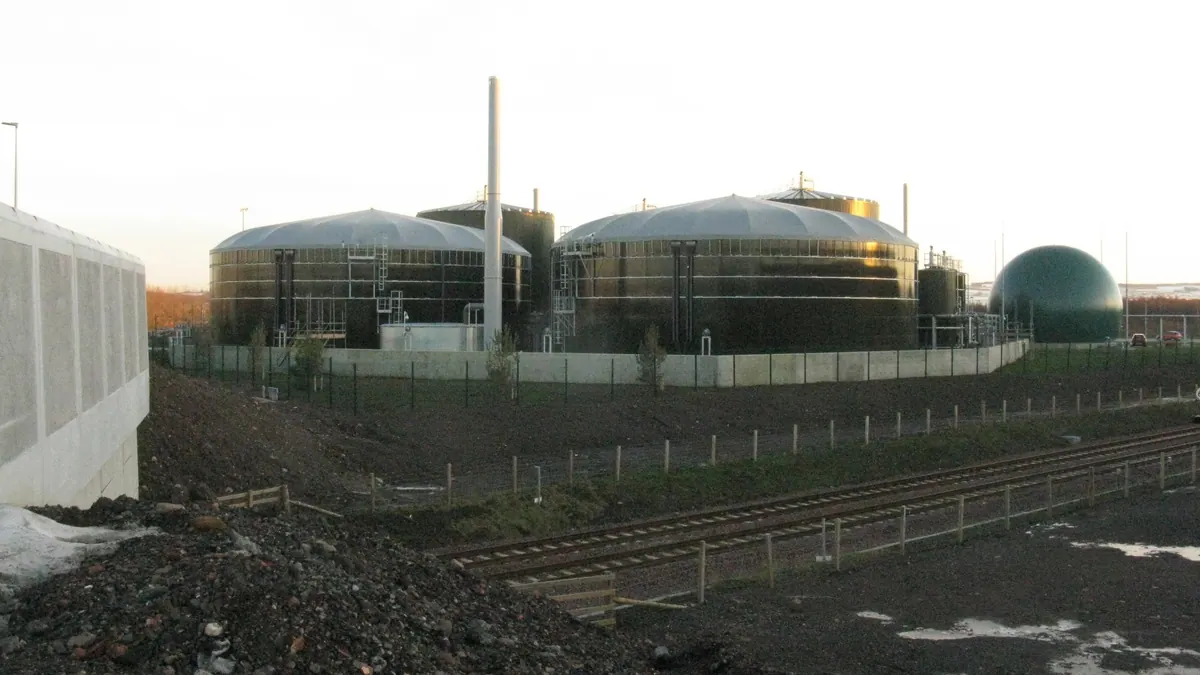

The National Fund for Environmental Protection and Water Management (NFOŚiGW) published for consultation in August 2024 a further part of the programme supporting cogeneration from municipal biogas. The project budget is up to PLN 2.5 billion, including up to PLN 1 billion in grants and up to PLN 1.5 billion in loans. For municipalities and municipal companies, as well as for private investors processing biowaste, this meant a possibility of financing new waste-treatment biogas plants.
Scope and conditions
The programme, provisionally named "Development of cogeneration based on municipal biogas, part 2) High-efficiency cogeneration from biogas", is an extension of an earlier priority programme. It supports the construction, expansion or modernisation of installations digesting: municipal biowaste, agri-food waste, kitchen and catering waste and inedible food, sewage sludge and category 2 and 3 animal by-products. Compared with the earlier version, wet digestion (not only dry) is also permitted and, where there is no local spatial development plan, a public-purpose location decision or development conditions.
The main access criteria:
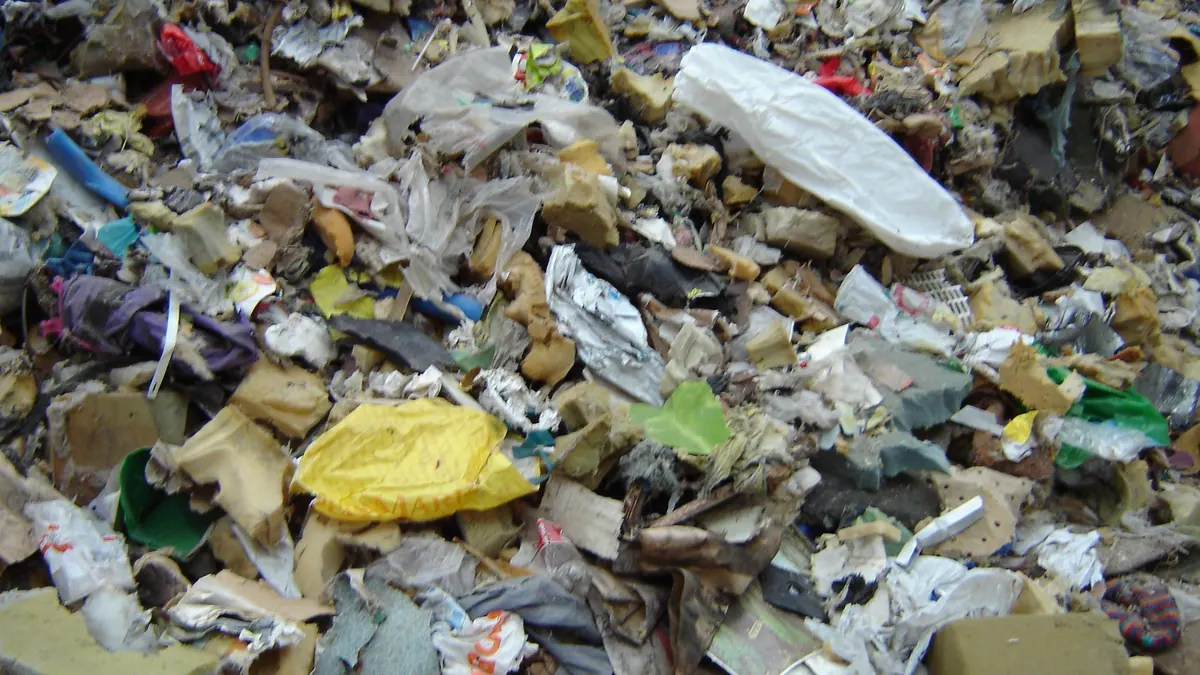
- at least 60% of the feedstock is separately collected municipal biowaste,
- an application for connection conditions is submitted (unless all the energy is consumed on site),
- the installation complies with the regional waste management plan (WPGO),
- the applicant has a final environmental decision,
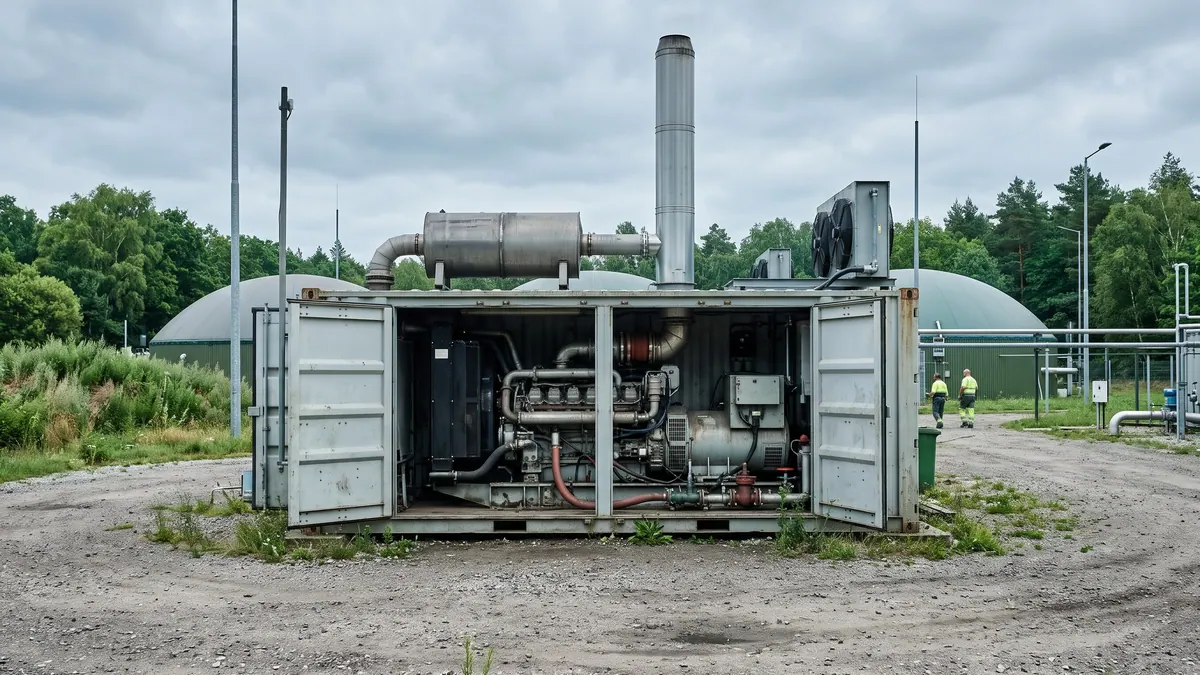
- all the biogas goes to high-efficiency cogeneration,
- points are awarded for cost-effectiveness, the amount of biogas in cogeneration and the ability to complete the investment by 30 September 2030.
Significance for the industry in Poland
The requirement of at least 60% separately collected municipal biowaste directs the programme to installations with secured supplies from municipalities. This addresses two problems at once: the management of biodegradable fractions and energy production. In Poland separate biowaste collection has been mandatory for years, but processing capacity is lacking, and part of the biowaste goes to composting in open windrows or – when quality is poor – into mixed waste.
The programme contrasts with the biomethane programme of July 2024: here cogeneration is preferred, not injection into the grid. Both reflect the dual-track nature of policy: support for electricity and heat biogas, and for biomethane.
What next
The article on the consultations did not give call dates. After the consultations end, NFOŚiGW will prepare the final version of the programme, which will require approval. For investors it is key to prepare the environmental decision and obtain connection conditions, because the possibility of applying for funds depends on them. Local authorities should in parallel check whether their collection systems will ensure at least 60% separately collected biowaste in the feedstock.
Sources
Related articles