Waste-to-energyEvent
The Polish Development Fund co-finances a thermal waste treatment plant in Olsztyn
The Polish Development Fund (PFR) provided mezzanine financing to the ITPO Olsztyn project: an installation with a throughput of at least 100 thousand tonnes per year, which is to supply the district heating network and replace a coal-fired source.
Other language versions: polski.
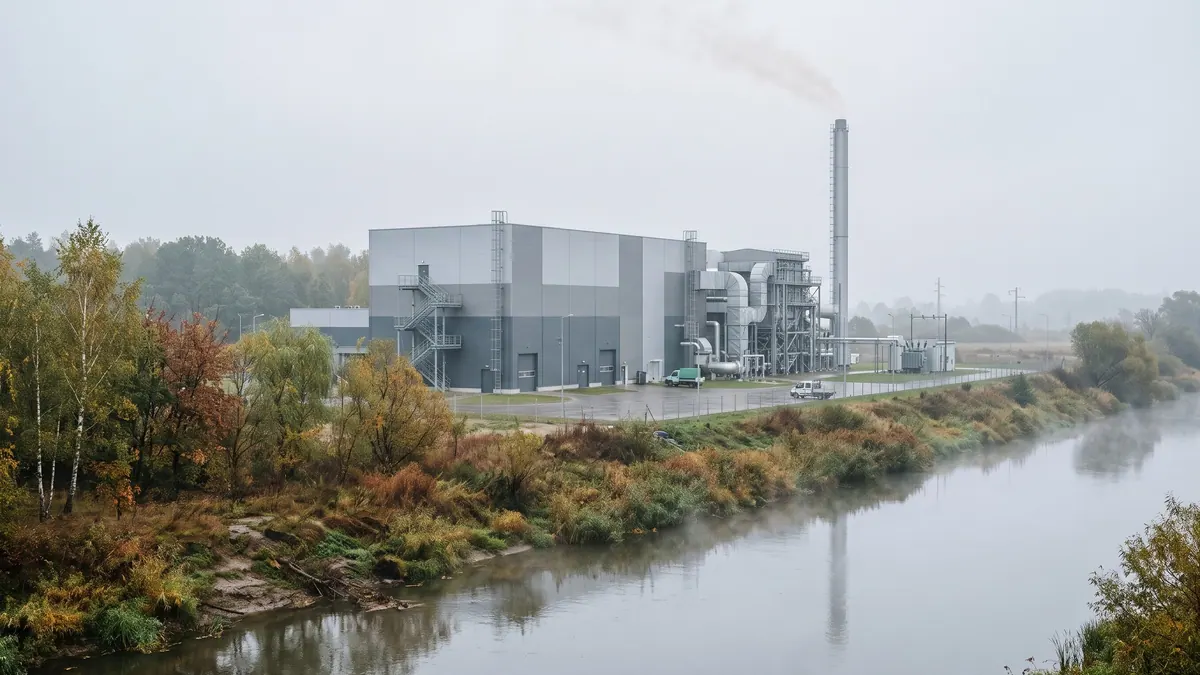
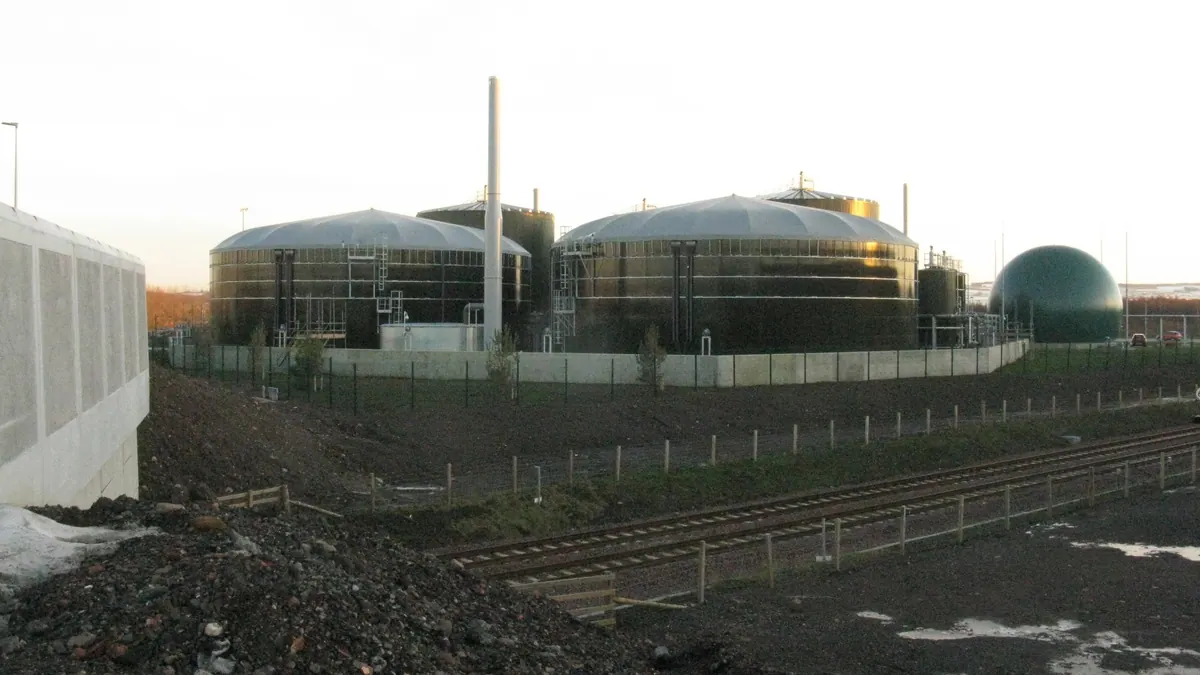
The Polish Development Fund (Polski Fundusz Rozwoju, PFR) announced on 30 April 2021 that it was co-financing the construction of a thermal waste treatment installation in Olsztyn (ITPO Olsztyn). The installation is to process at least 100 thousand tonnes per year of the combustible fraction of municipal waste, including pre-RDF and RDF fuel, and to supply heat to the city district heating network. It is to replace the coal-fired source at the EC Michelin combined heat and power plant, whose shutdown was planned for 2021.
Financing structure and owners
PFR became involved through mezzanine financing, i.e. subordinated debt provided in the form of a bond issue programme by the project company. The issuer is Dobra Energia dla Olsztyna, owned by Meridiam Eastern Europe Investments 3 SAS (95%) and Urbaser SAU (5%). Urbaser is to act as the operator of the installation, responsible for operation and maintenance. The project is also co-financed by the National Fund for Environmental Protection and Water Management (NFOŚiGW), which awarded an EU grant.
The amount of support was not disclosed. Neither the construction schedule nor the start-up date was given.
Technology and requirements
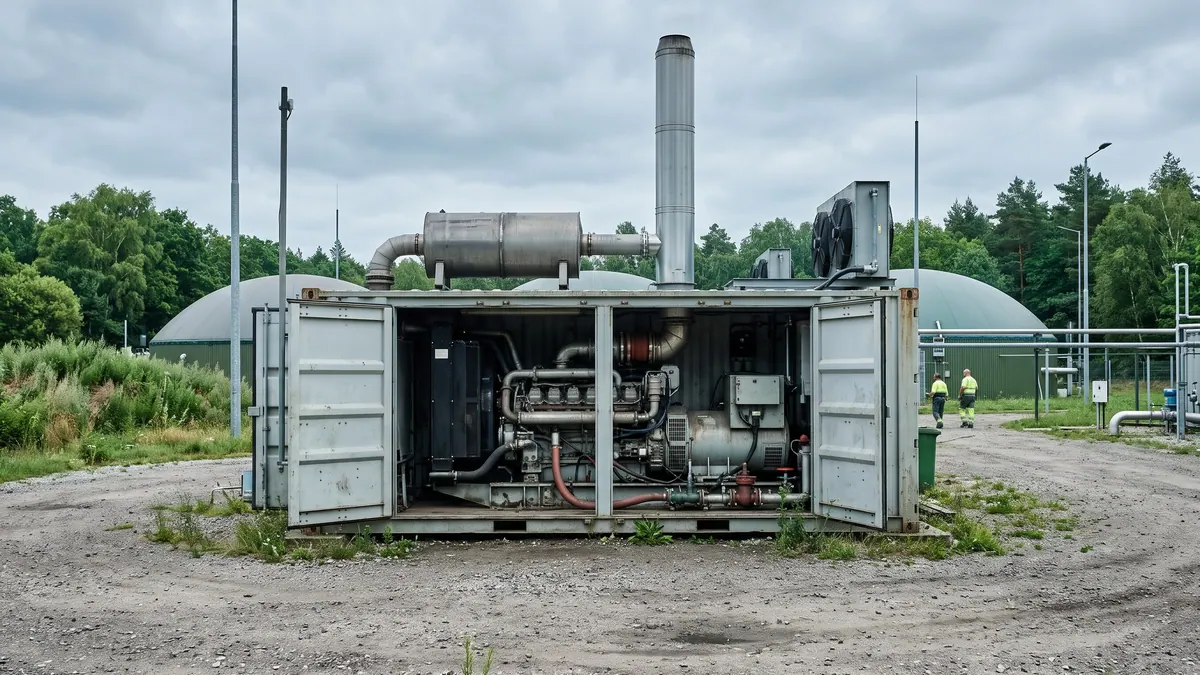
The installation is to use thermal waste treatment with energy recovery in high-efficiency cogeneration. As designed, it should meet the requirements of EU directives, including the current BAT (best available techniques) conclusions, and take into account future tightening of emission standards.
Context: waste and the hierarchy
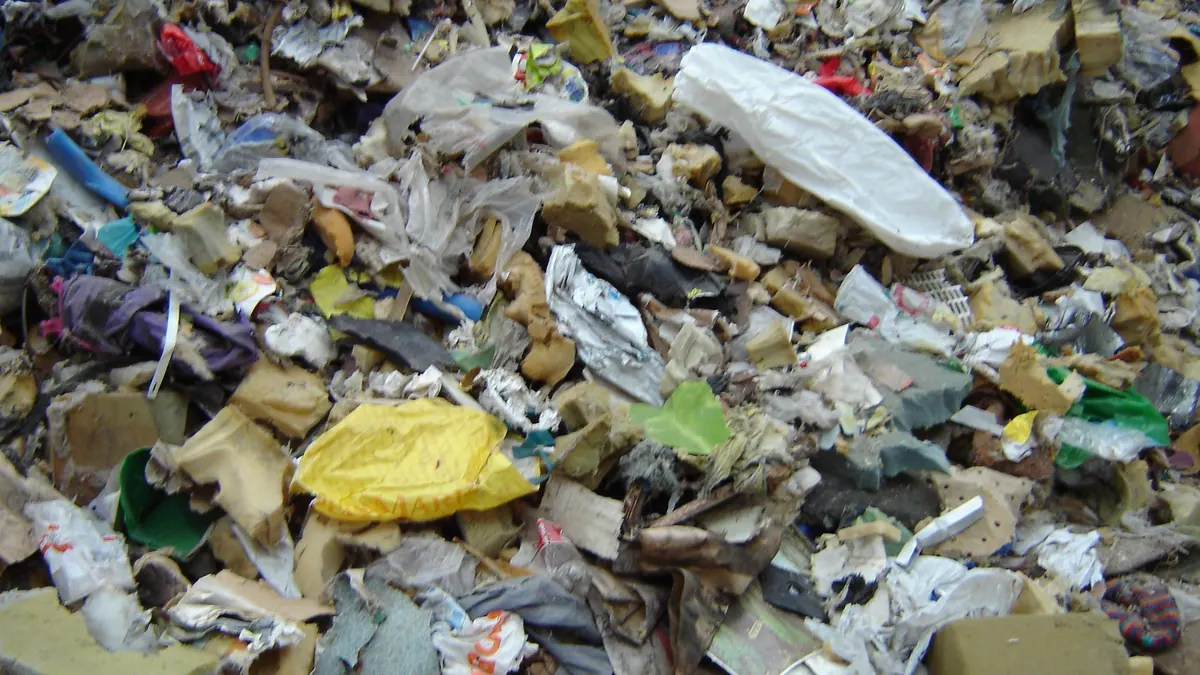
Thermal treatment of municipal waste is in Poland one of the elements of the system for managing mixed waste that is unsuitable for recycling. EU targets – a higher recycling rate and limiting landfilling to 10% by 2035 – mean that demand is growing for installations to handle the residual fraction. At the same time, the waste hierarchy places energy recovery after prevention, reuse and recycling, and critics point out that excessive incineration capacity may weaken the incentives for separate collection.
Also in the EU taxonomy, incineration of municipal waste was not classified as an activity making a substantial contribution to climate change mitigation, which affects access to some sources of financing.
Significance for the market
For the waste-to-energy market, the Olsztyn project is an example of a public-private partnership model involving public funds (PFR, NFOŚiGW) and an institutional investor. It supports the local district heating network and reduces dependence on coal, but requires strict management of the waste stream and transparency on emissions. For municipalities in the Warmia-Masuria region it means the possibility of managing waste within the region, without the need to transport it far.
What next
The assessment of the project will be decided by delivery deadlines, waste gate fees, the security of fuel supply and the results of emission measurements. For residents and local governments it will be important whether the installation delivers stable heat prices and meets environmental standards.
The role of the public-private partnership
The model in which a project company manages construction and operation, while the city provides the waste stream and heat offtake, is used in Poland, among other things, for thermal waste treatment installations. The advantages are the transfer of construction and operating risk to the private partner; the drawbacks – long contracts and the need to regulate prices and indexation rules precisely.
Sources
Related articles