Poland submits its National Recovery Plan (KPO) to the Commission: RES, hydrogen and biogas in the background
The government sent the National Recovery Plan to Brussels. The March 2021 draft envisaged, among other things, EUR 437 million for offshore wind, EUR 97 million for energy communities and investment in hydrogen.
Other language versions: polski.
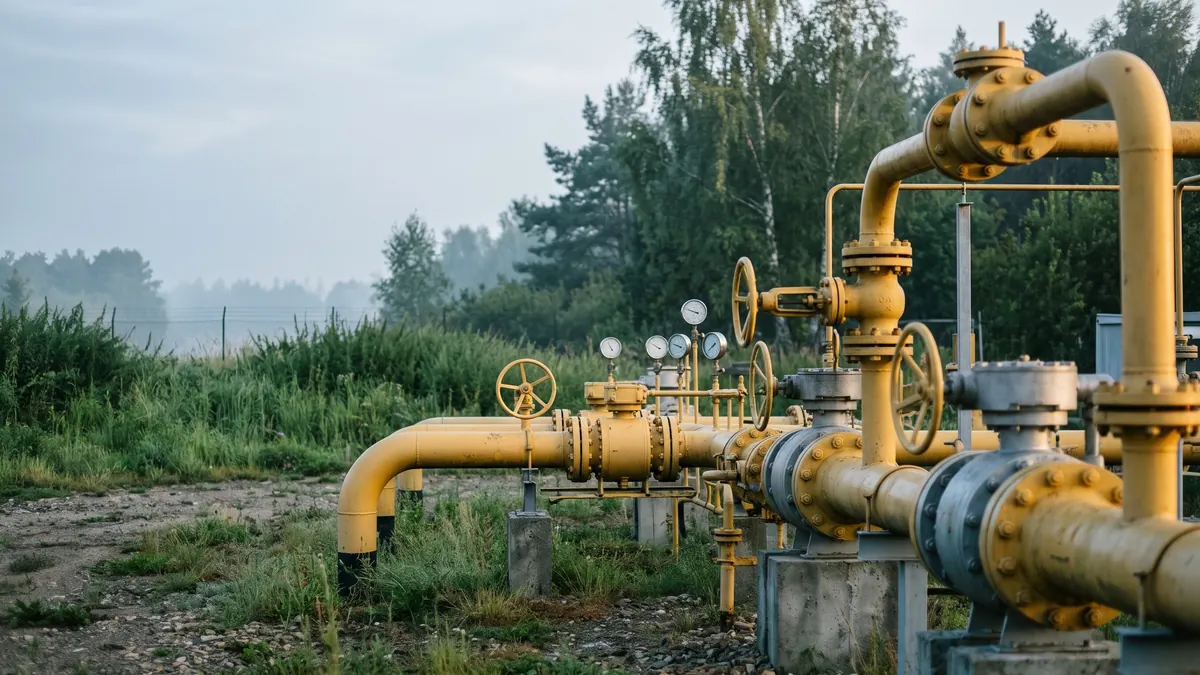
The government submitted the National Recovery Plan (KPO) to the European Commission at the beginning of May 2021, after the EU deadline of 30 April had passed. The plan is to make it possible to use the funds of the Recovery and Resilience Facility. From the perspective of the energy and waste sector, its components on green energy, hydrogen and networks are important.
What the draft plan contained
The version of the draft presented in March 2021 envisaged an RRF allocation of about EUR 58 billion: EUR 23.9 billion in grants and EUR 34.2 billion in loans. In the part devoted to green energy, the following were listed:
| Area | Provision in the draft |
|---|---|
| Green energy and energy intensity | an area worth PLN 28.6 billion |
| Offshore wind | EUR 437 million; target of 2.6 GW by 2026 |
| Energy communities | EUR 97 million; support for 20 communities by Q3 2026 |
| Networks and distributed energy | EUR 329 million, including 379 km of transmission lines |
| Hydrogen | approx. 400 MW of low-carbon hydrogen capacity and 25 refuelling stations |
| RES target | 32% share in the energy mix by 2030 |
The plan also announced regulations for collective and virtual prosumers, which were to be implemented by the end of 2021.
Biogas and biomethane in the plan
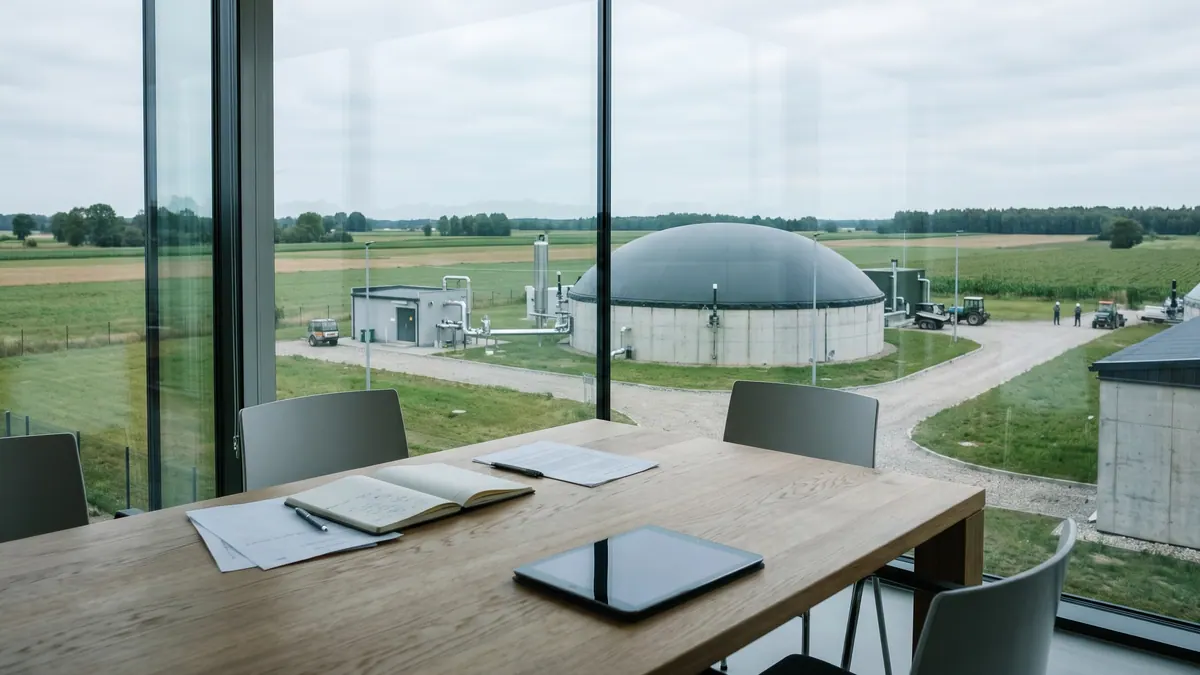
A biogas thread appeared in the draft. The estimated national potential is about 7.8 billion m³ per year, and demand about 1 billion m³ per year by 2030, which would require about 500 installations producing about 2 million m³ each. Demand could grow if biomethane were used in heating. However, funds for biogas were not a main component of the plan, and its role was to depend on domestic regulations and other sources of financing.
Significance for investors
For the biogas and biomethane sector, the KPO is a signal that the ministry includes this sector in its strategy, but it does not settle access to grants. The largest funds were directed to offshore wind, networks and hydrogen. Biogas and waste projects could apply for financing from other programmes, for example from NFOŚiGW (including Agroenergia), regional funds and agricultural programmes.
The "do no significant harm" principle is also of no small importance – required for all RRF investments, referring to the environmental objectives of the EU taxonomy.
What next
After the plan was submitted, the Commission had two months to assess it, and then the draft went to the Council for approval. Only after that was it possible to sign agreements and pay out the first funds. For the industry this meant waiting for detailed programmes and calls, including for hydrogen and RES.
Sources
Related articles