Waste-to-energyEvent
Tarnów: PLN 165 million from NFOŚiGW for cogeneration from waste at MPEC
The Municipal District Heating Company (MPEC) in Tarnów will build for PLN 200 million a cogeneration installation based on waste-derived fuel. Co-financing from the National Fund for Environmental Protection and Water Management (NFOŚiGW) is around PLN 165 million.
Other language versions: polski.
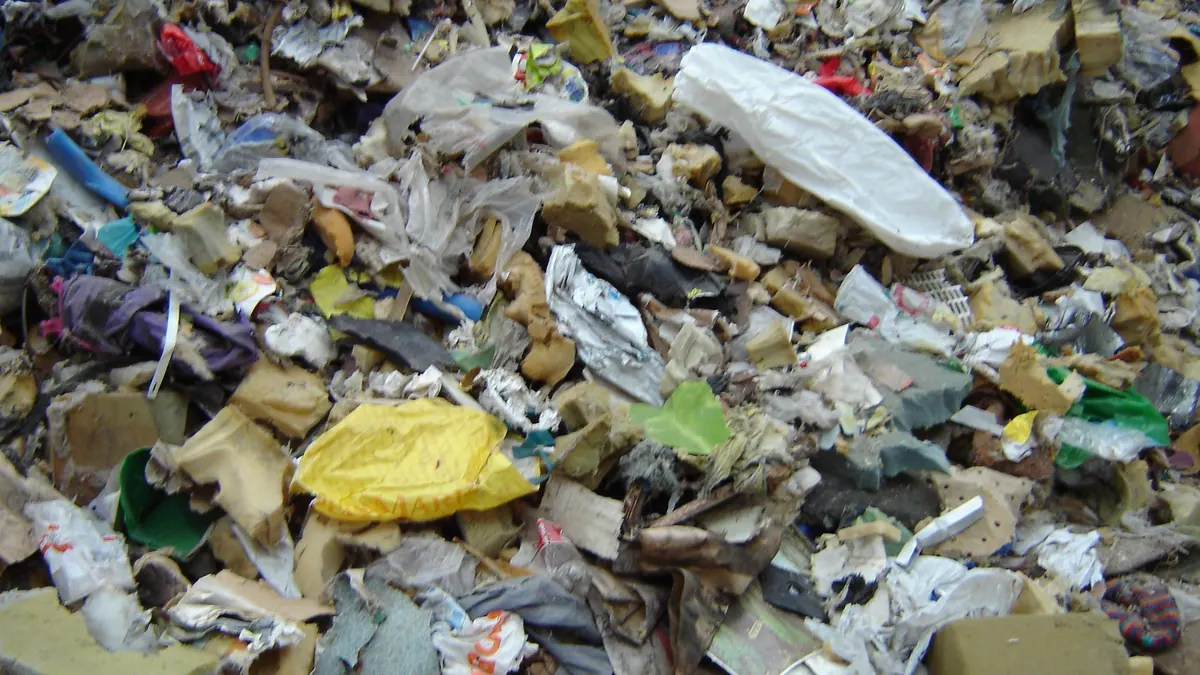

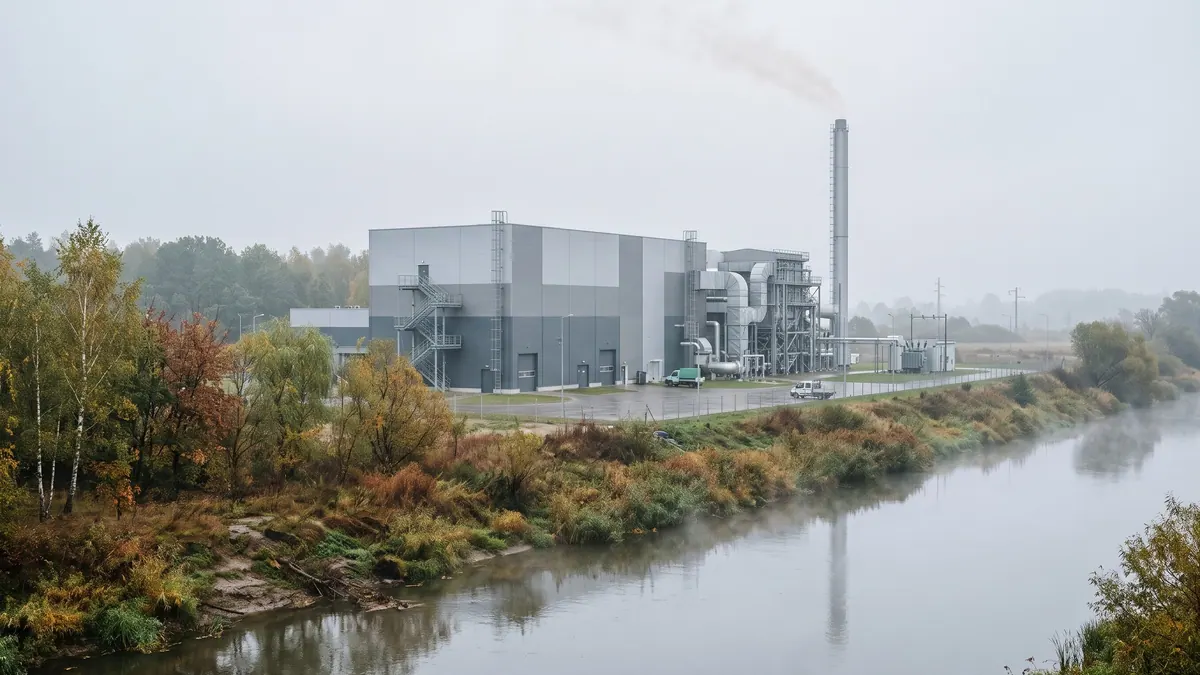
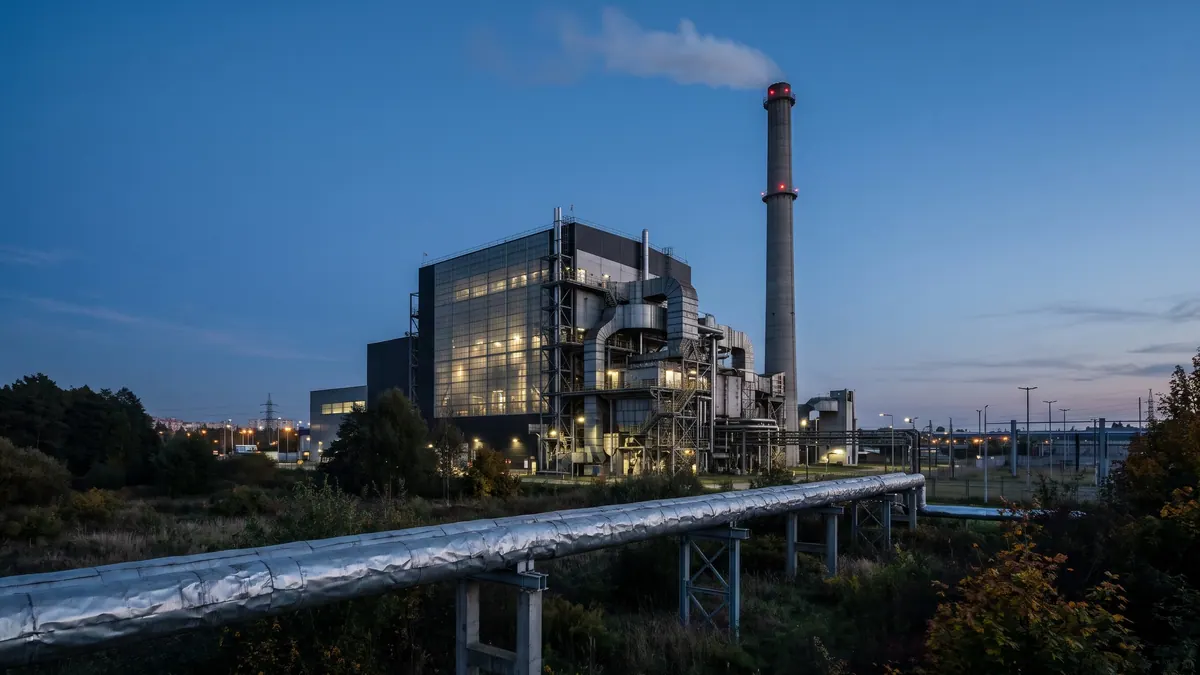
The Municipal District Heating Company (MPEC) in Tarnów is carrying out a project for a cogeneration installation based on waste-derived fuel, for which the National Fund for Environmental Protection and Water Management (NFOŚiGW) allocated approx. PLN 165 million. As announced on 15 June 2020, the total cost of the investment is PLN 200 million. The installation uses the technology of thermal conversion of waste-derived fuel (so-called pre-RDF) and is to replace coal-fired sources in the city's district heating system.
Project parameters
| Parameter | Value |
|---|---|
| Investment cost | PLN 200 million |
| NFOŚiGW co-financing | approx. PLN 165 million (PLN 20 million in grants + over PLN 145 million in a loan) |
| Thermal capacity | 20 MW |
| Electrical capacity | 3.5 MW |
| Fuel | approx. 40 thousand tonnes of processed fuel per year |
| Heat production | over 297 thousand GJ per year |
| Electricity production | approx. 12 thousand MWh per year |
| Share of the city's heat demand | approx. 30% |
Pre-RDF fuel is produced by processing municipal waste, including the high-calorific fraction that is not suitable for material recycling. The installation operates in high-efficiency cogeneration, that is, it produces heat and electricity at the same time.
Why such investments are being built
Polish cities face two problems at once: the need to limit landfilling of waste and the need to replace coal-fired heat sources. A cogeneration installation fuelled with waste-derived fuel solves both, although it also raises questions about emissions and competition with recycling. From the perspective of the circular economy, the energy use of waste should be the last link in the hierarchy, after prevention, reuse and recycling.
Significance for the industry
For the waste-to-energy industry the Tarnów project is an example of financing municipal infrastructure from national funds with a preferential loan. It is worth noting that almost 90% of the support takes the form of a loan, which lowers the cost of capital but requires reliable revenue from heat and energy.
What next
The project will be assessed after commissioning: by the amount of waste processed, the heat obtained, the stability of fuel supplies and the results of emission measurements. For other cities and heating companies it is a model for organising a project with the participation of national funds, and for the residents of Tarnów — a chance to reduce heating emissions, provided that the emission standards for thermal waste treatment installations are met.
Questions that remain
For installations of this type, long-term fuel supply contracts, quality control of incoming waste and transparent information for residents about the results of emission measurements are important. It should also be remembered that the share of energy from waste in the Polish power sector is only at the start of its journey, and more cities are considering similar solutions.
Scale in the context of the city
An installation covering around 30% of Tarnów's heat demand is a large element of the local system, but it does not replace other sources. Its effect on air quality therefore depends on which coal-fired units are actually shut down. For residents the most important things are data on stack emissions, publicly available measurement results and a clear waste acceptance policy that limits the inflow of waste from outside the region.
Sources
Related articles